

Satpura National Park
Madhya Pradesh
Nestled in the heart of Madhya Pradesh, Satpura National Park forms the core of the Satpura Tiger Reserve and offers one of Central India’s most diverse and unique wildlife experiences. This magnificent park, part of the Satpura Range, stands out for its variety of safari options and relatively low tourist density, making it an ideal destination for those seeking an exclusive tiger safari Satpura experience. The park’s rugged terrain, ranging from high hills to deep valleys and dense forests, provides the perfect backdrop for an immersive Satpura wildlife tour.
Planning an adventure to this central Indian wilderness requires understanding its unique safari options. The essential first step is securing your Satpura National Park jeep safari booking through the official Madhya Pradesh Forest Department website. Additionally, Satpura offers unique experiences like walking safaris and boat safaris, which require separate bookings. For accommodation, visitors can choose from various eco-friendly options that support Satpura National Park eco-tourism Madhya Pradesh, ranging from luxury lodges to comfortable forest rest houses.
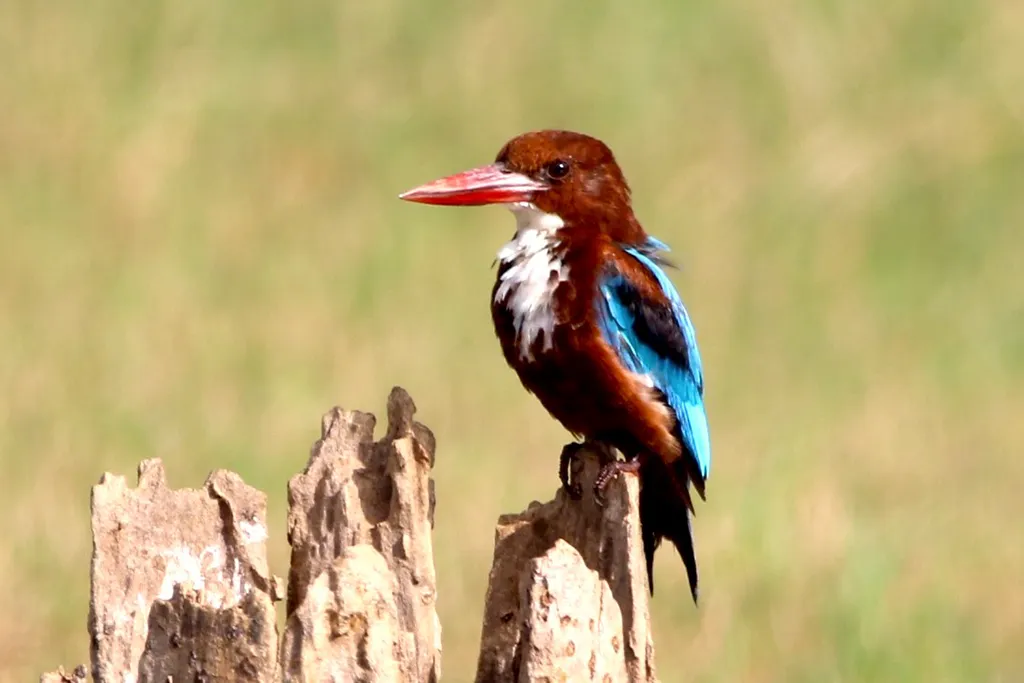
Knowing the best time to visit Satpura is crucial for optimizing your wildlife experience. The park also provides exceptional opportunities for birdwatching in Satpura National Park, with over 300 species recorded, making it a paradise for bird enthusiasts and nature photographers. The park’s diverse habitats, including teak forests, grasslands, and wetland areas, support this rich avian diversity.
Ideal Time to Visit Satpura National Park
Choosing the best time to visit Satpura depends on your wildlife viewing preferences:
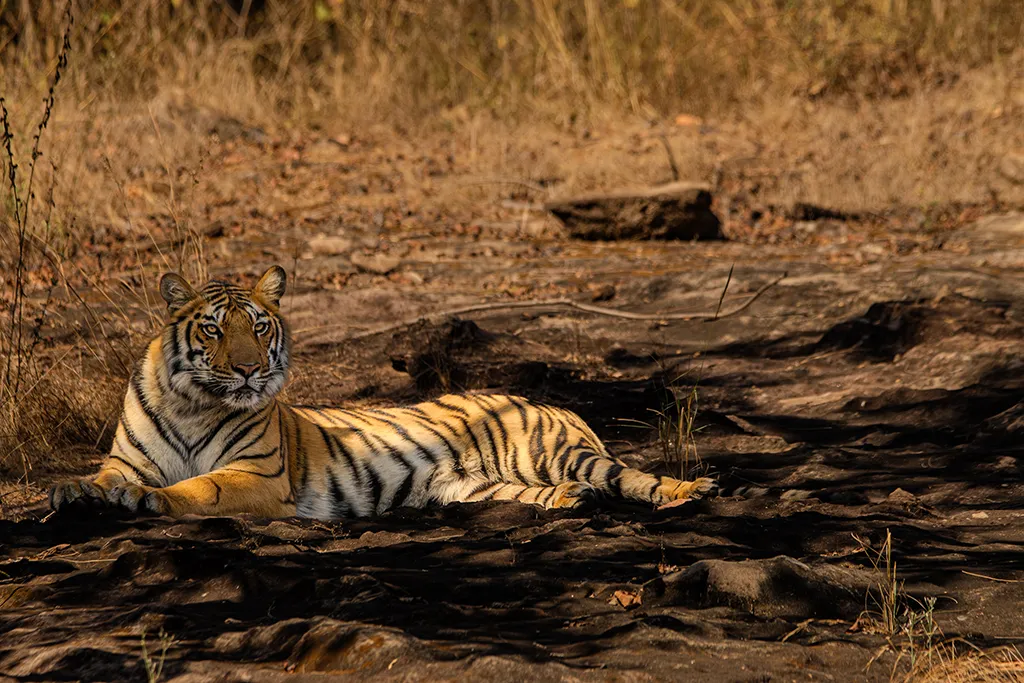
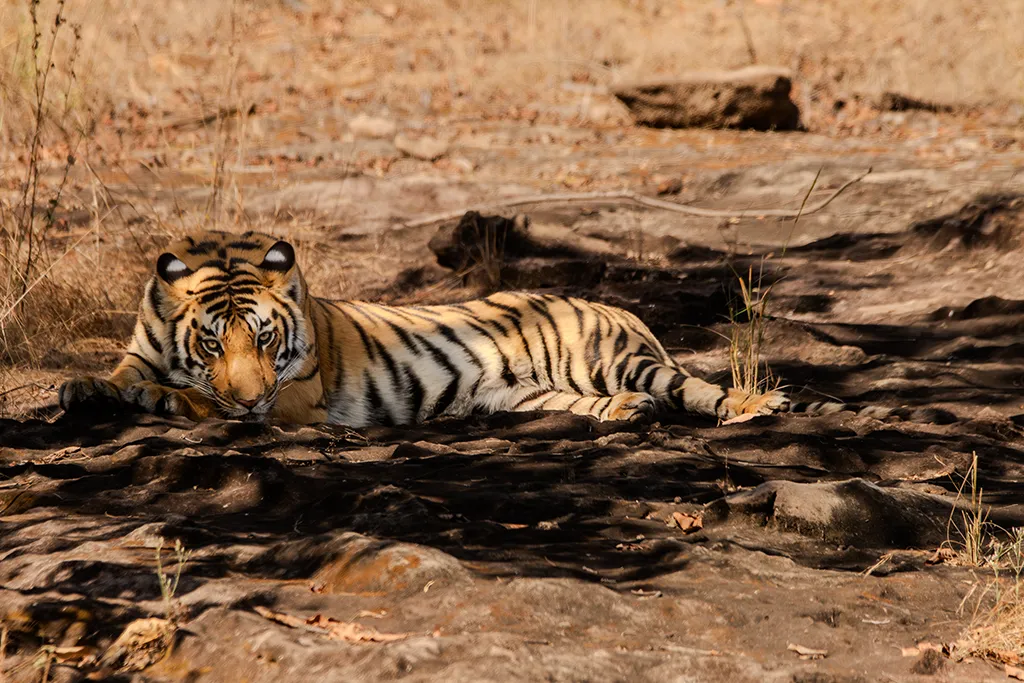
- Peak Wildlife Viewing (March to May): The summer months offer the best tiger safari Satpura experience. As water sources diminish, wildlife congregates around the Denwa River and remaining waterholes, while the thinning vegetation dramatically improves visibility for sightings.
- Pleasant Weather (October to February): The winter season provides comfortable temperatures for safari drives and is excellent for birdwatching in Satpura as migratory species join the park’s residents. The landscape is lush and green following the monsoon rains.
- Monsoon Consideration (June to September): The park remains closed during the monsoon season to allow the forest ecosystem to regenerate naturally.
Important Note:
Satpura National Park remains closed during the monsoon season from July 1st to September 30th for habitat regeneration and safety reasons.
Activities and Experiences
- Jeep Safaris: The classic tiger safari Satpura experience is conducted through open-top jeeps that explore the core zones. This is the best way to experience the diverse Satpura safari zones and potentially witness the park’s predator population.
- Walking Safaris: Unique to Satpura, these guided walks offer an intimate experience of the jungle and its smaller wonders.
- Boat Safaris: Cruises on the Denwa River provide opportunities to see aquatic life and riverside wildlife.
- Bird Watching: With over 300 species, birdwatching in Satpura National Park is particularly rewarding. The park hosts everything from forest birds to water birds and raptors.
- Nature Photography: The varied landscapes provide excellent opportunities for wildlife photography in Satpura Madhai Zone, known for its good wildlife sightings and beautiful light.
- Eco-Tourism Experiences: Satpura National Park eco-tourism Madhya Pradesh includes night safaris, canoeing, and visits to local tribal villages.
Tours Name
• Tigers of Corbett, Kanha, and Bandhavgarh
• Highlights of Kumaon & Dudhwa


Satpura National Park: A Visitor’s Guide
1. Diverse Wildlife & Tiger Safaris
Satpura National Park protects an impressive array of fauna, making every Satpura wildlife tour memorable:
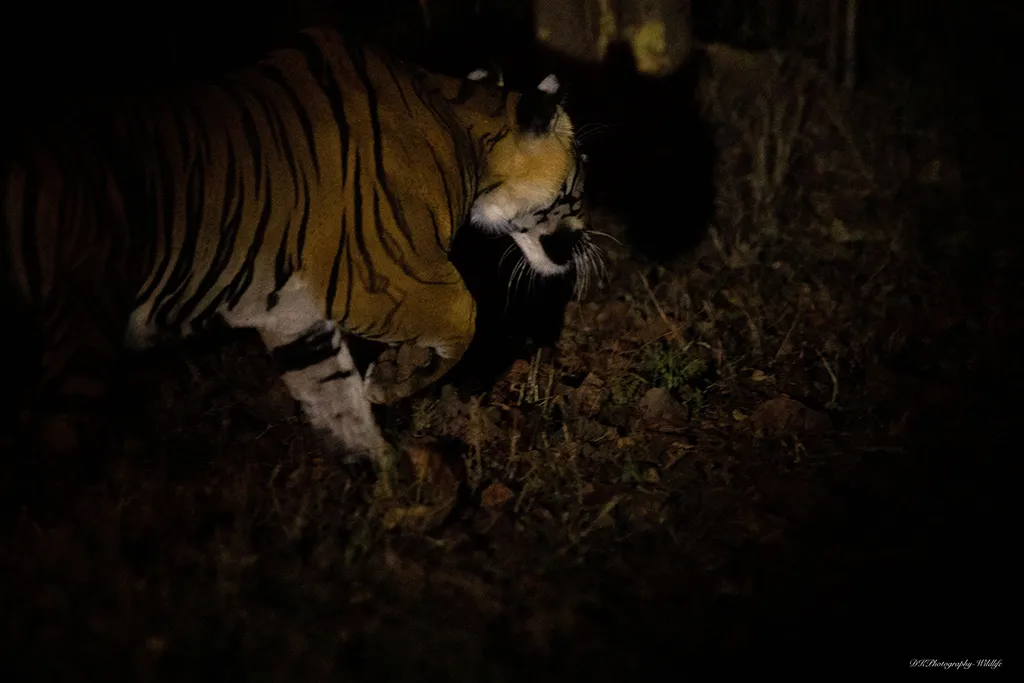
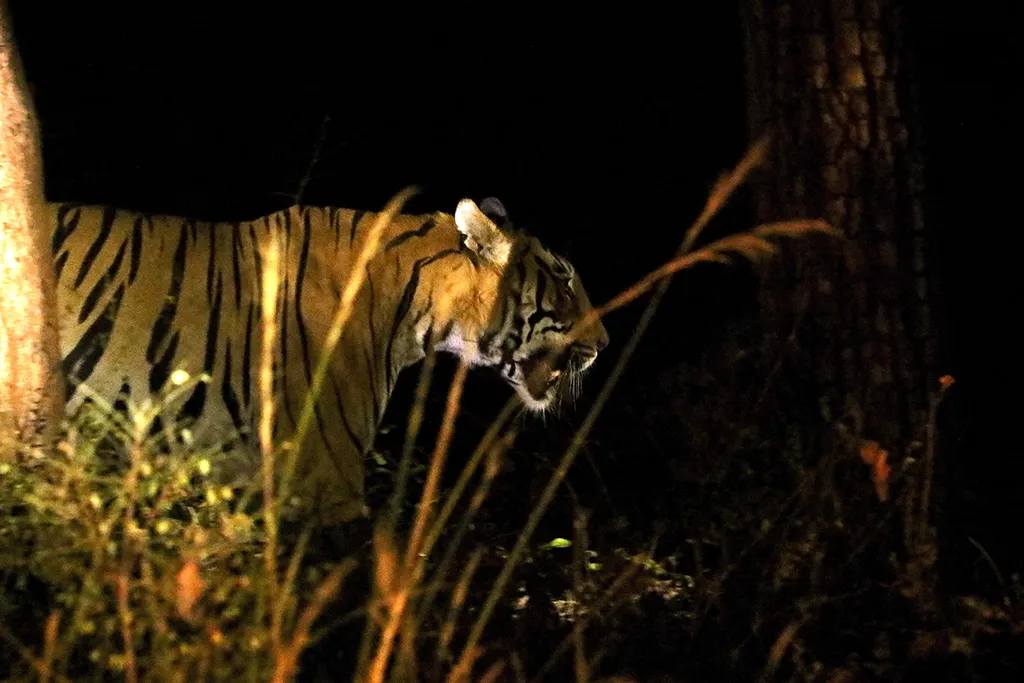
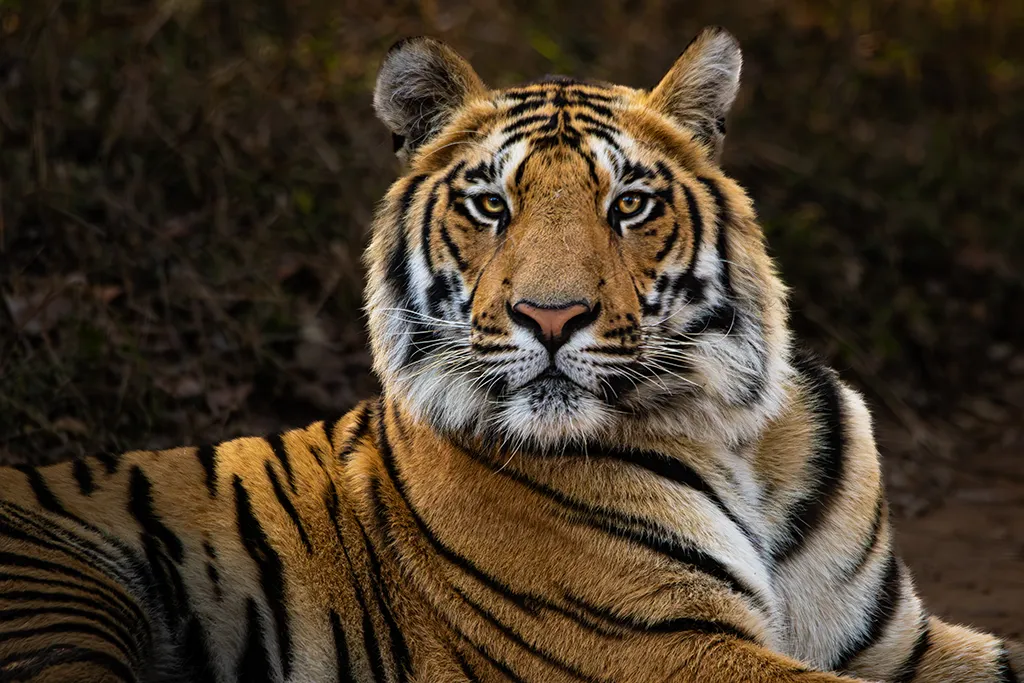
- Royal Bengal Tiger: The park’s main attraction, though elusive, offers exciting possibilities during a tiger safari Satpura. The healthy tiger population is a testament to successful conservation efforts.
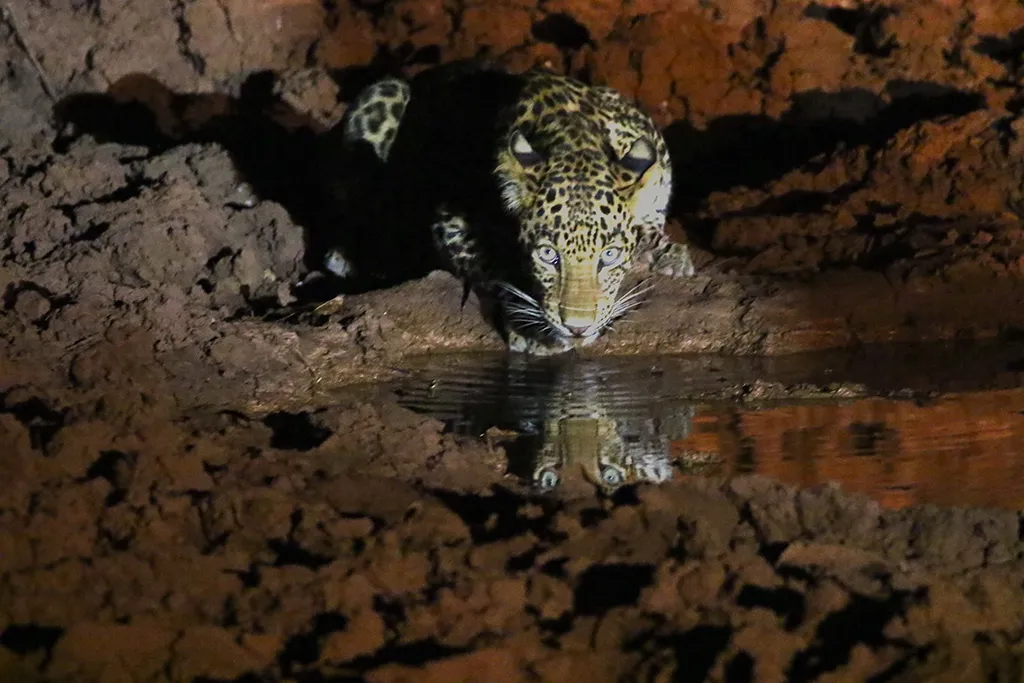
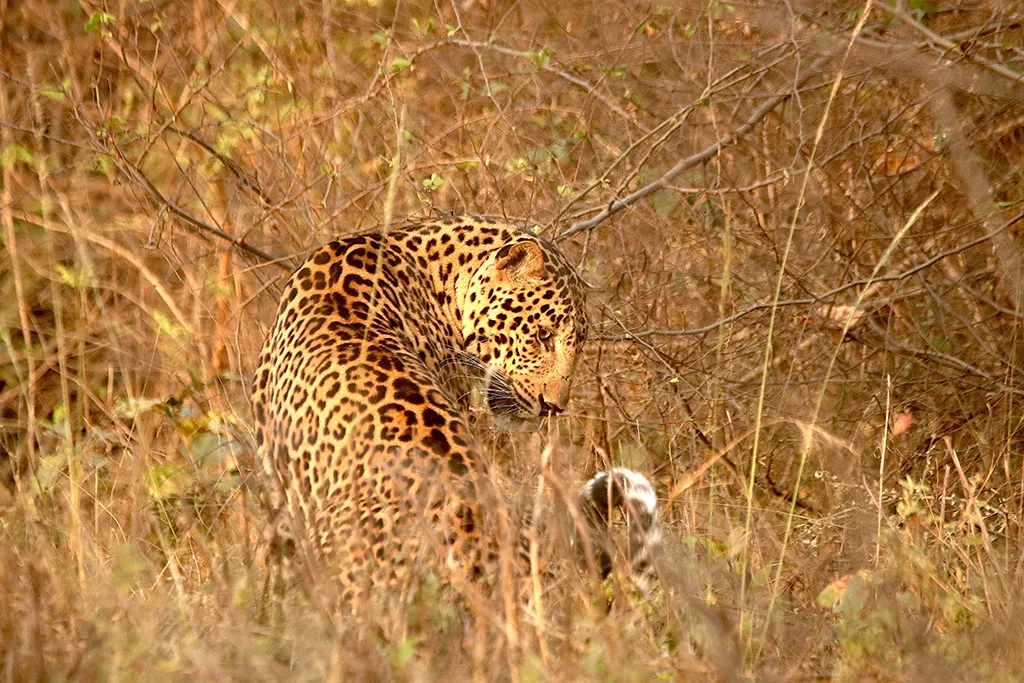
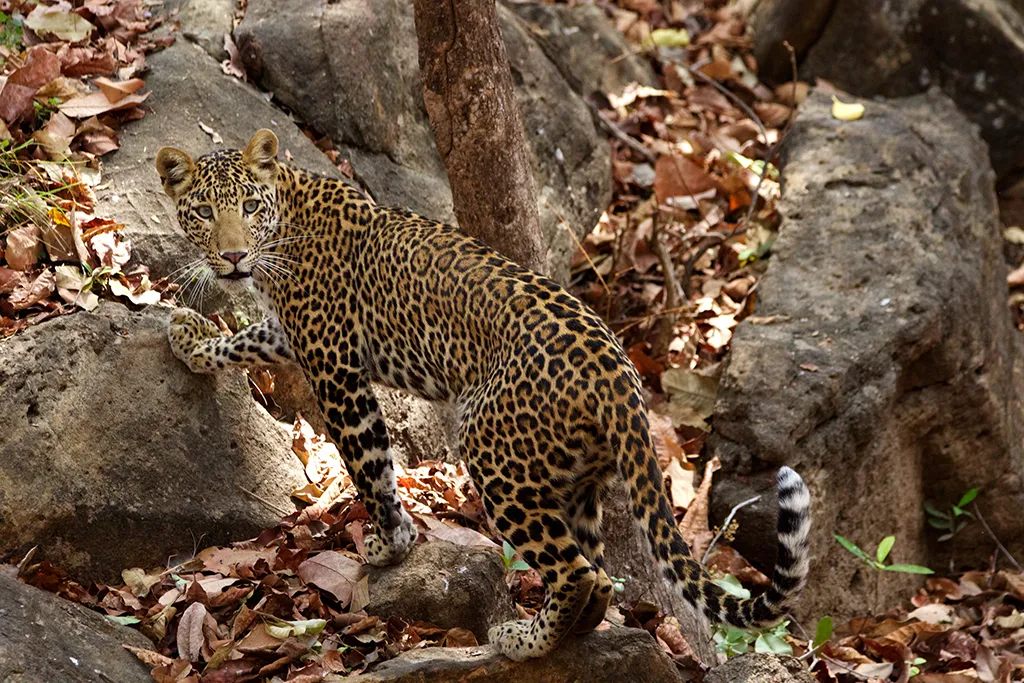
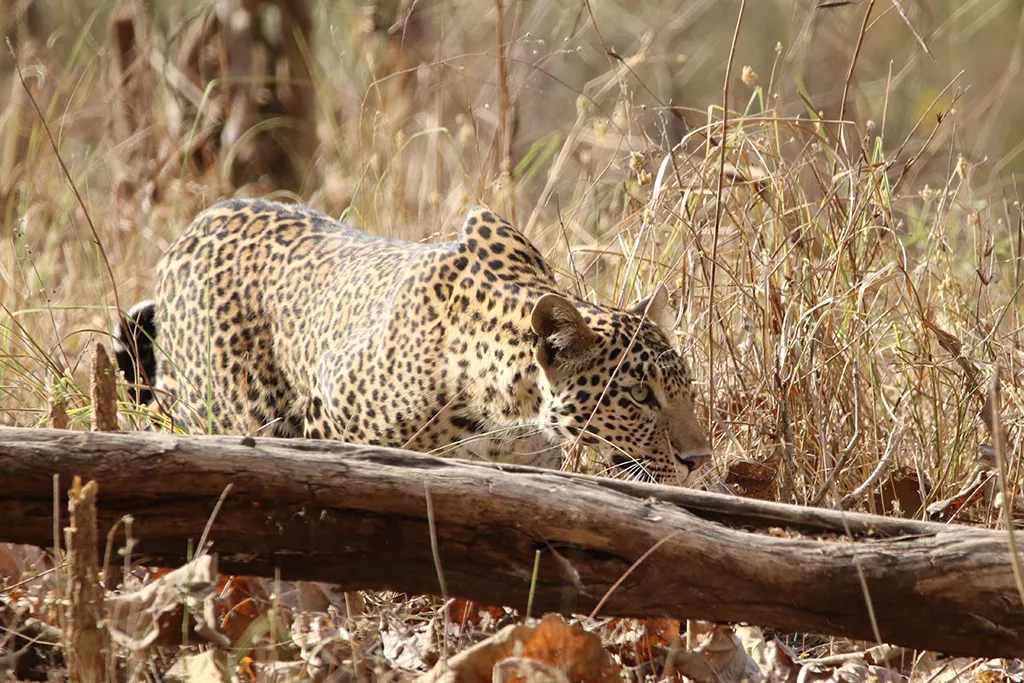
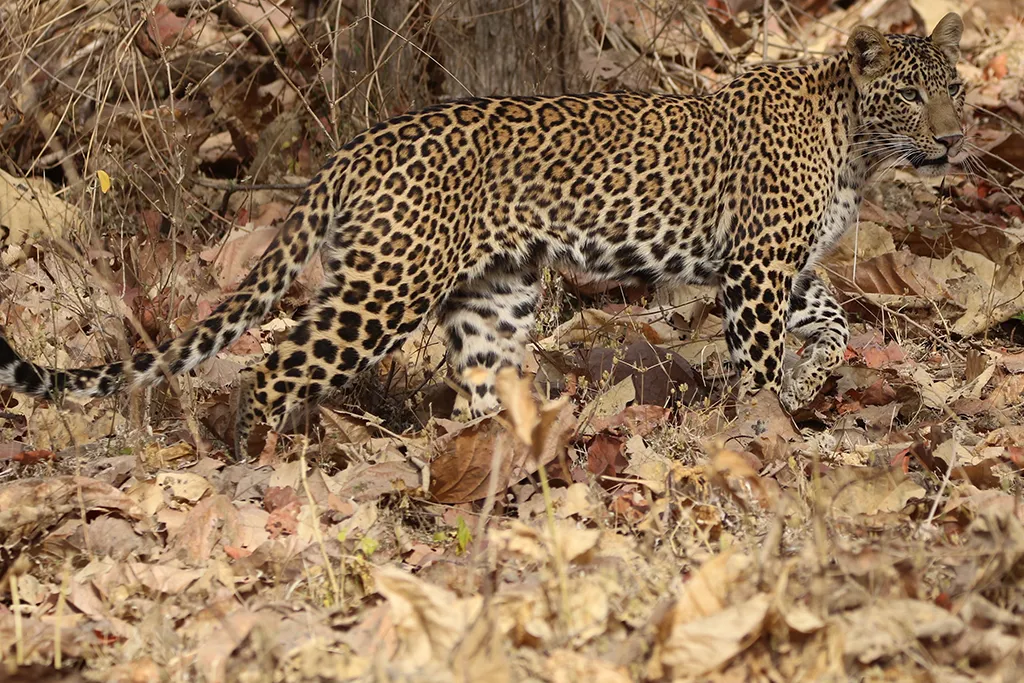
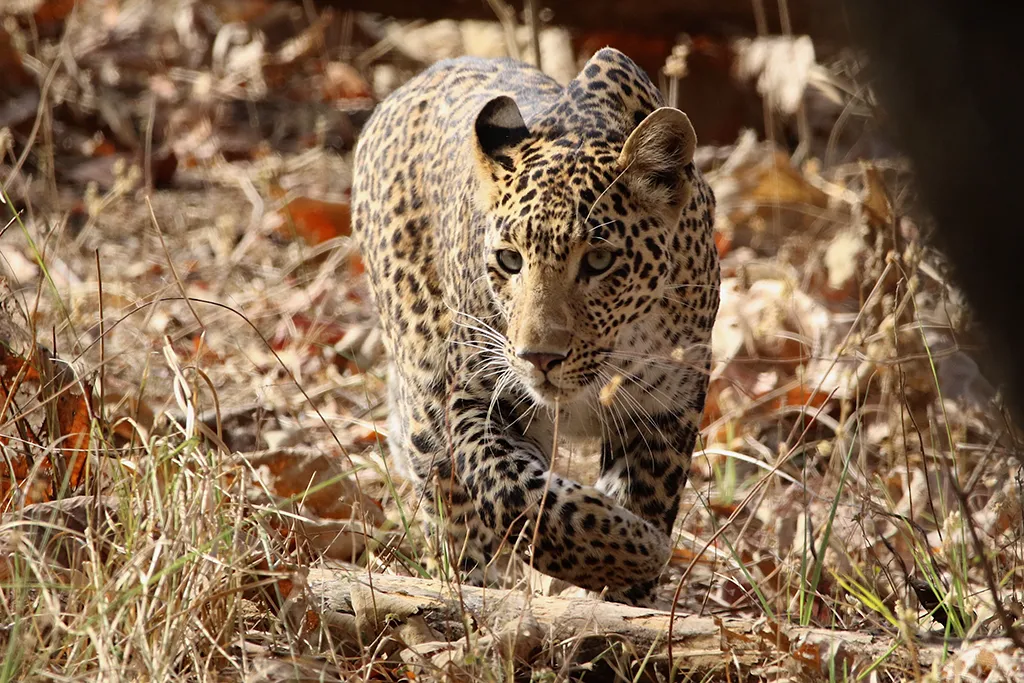
- Leopards: Frequently spotted in the rocky terrain and dense forest areas.
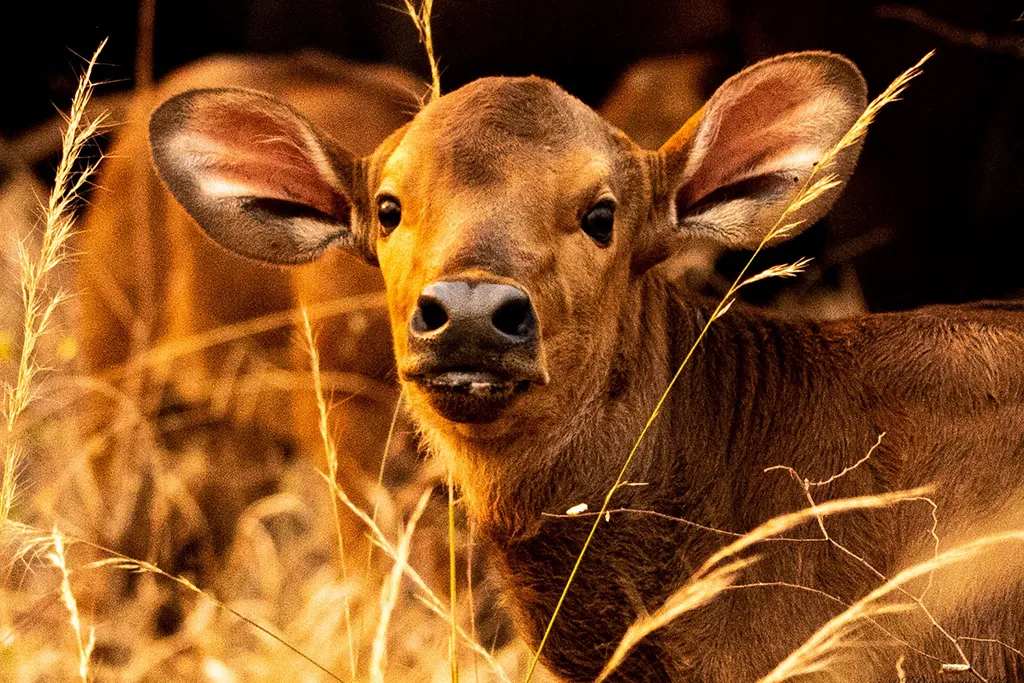
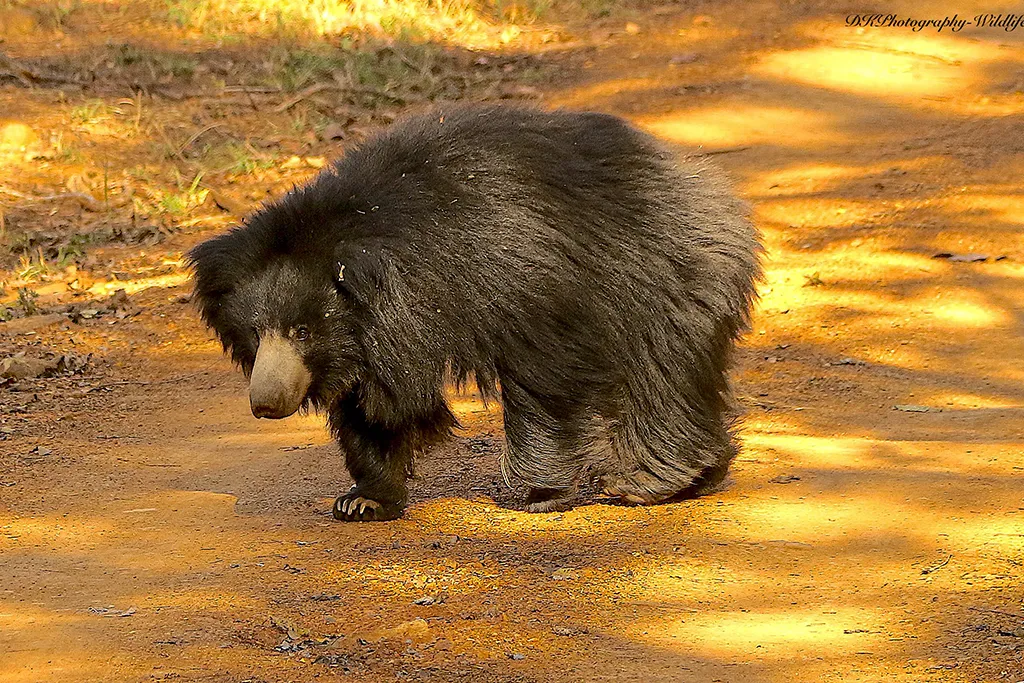
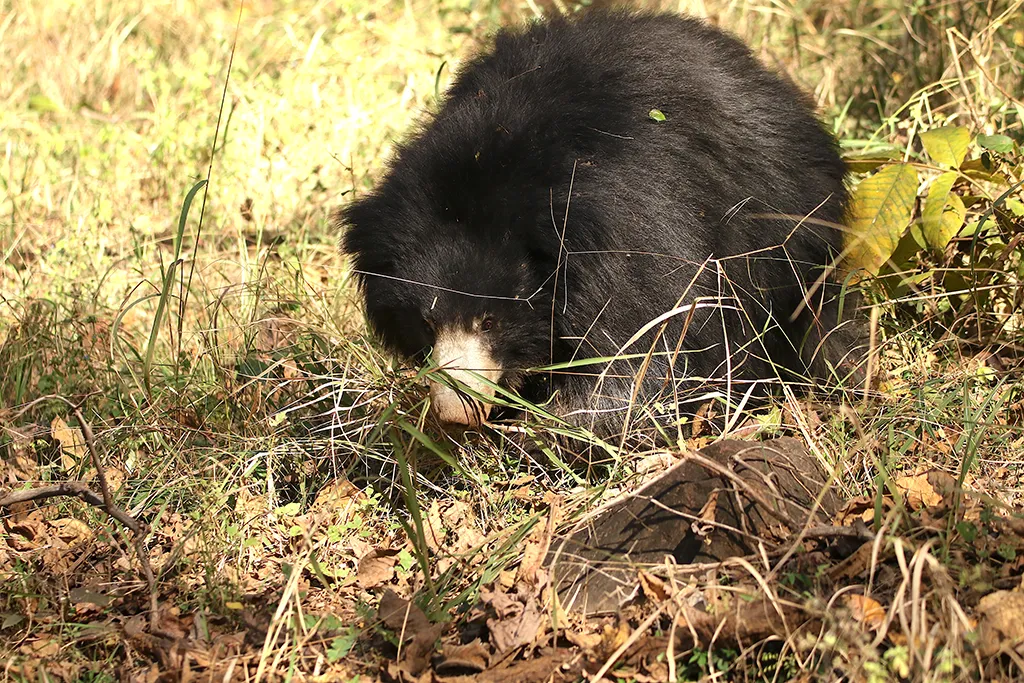
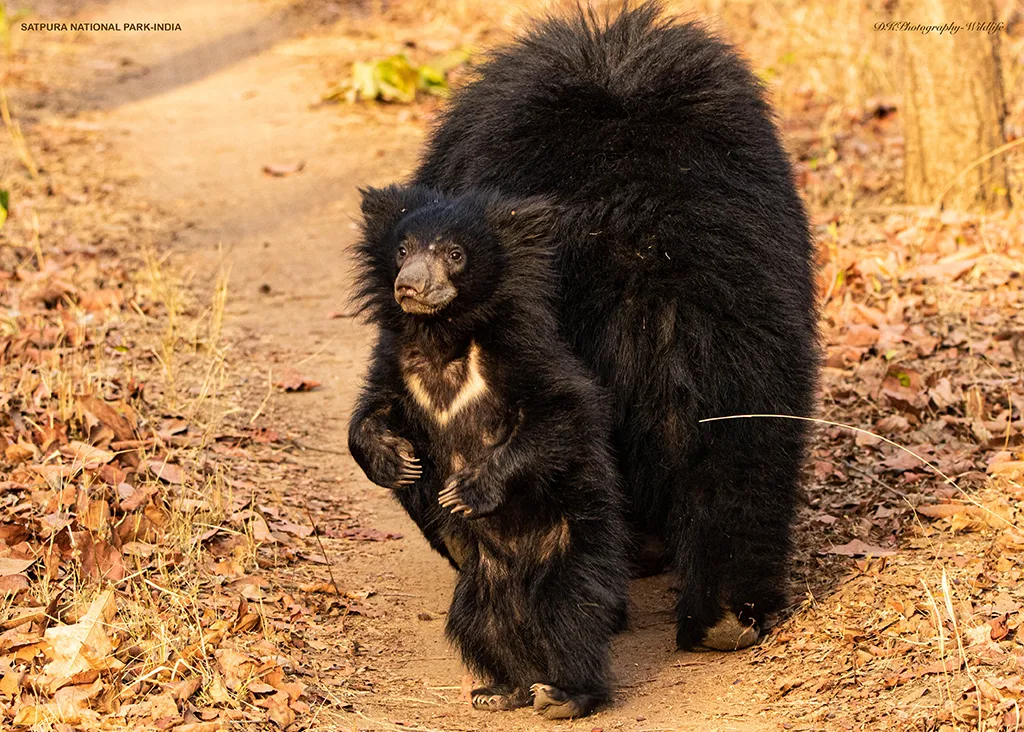
- Other Mammals: Includes Indian bison (gaur), sloth bear, wild dog (dhole), sambar, spotted deer, and the Indian giant squirrel.
- Unique Species: Home to the rare forest owlet and several other endemic species.
- Rich Biodiversity: The park’s ecosystem supports numerous reptile, amphibian, and insect species.
2. Unique Safari Zones
Understanding the distinct Satpura safari zones enhances your wildlife experience:
- Madhai Zone: The main entry point and most popular zone, known for good tiger sightings and diverse wildlife. Wildlife photography in Satpura Madhai Zone is particularly rewarding.
- Churna Zone: Famous for its beautiful landscapes and good predator sightings.
- Pachmarhi Zone: The hill station area offers different vegetation and wildlife experiences.
- Sehra Zone and Parsapani Zone: stand out in buffer areas due to their higher reported leopard activity and the allowance of night safaris, which increase sighting chances since leopards are primarily nocturnal.
- Lagadha Zone: In the core area is also highly recommended, especially with experienced guides who can identify signs like pugmarks or alarm calls.
- Buffer Zones: Several buffer areas offer additional safari opportunities with different landscapes.
3. Birdwatching Haven
Birdwatching in Satpura National Park is exceptionally rewarding:
- Raptors: Crested serpent eagle, changeable hawk-eagle, and various vulture species.
- Forest Birds: Malabar pied hornbill, Indian pitta, and various thrush species.
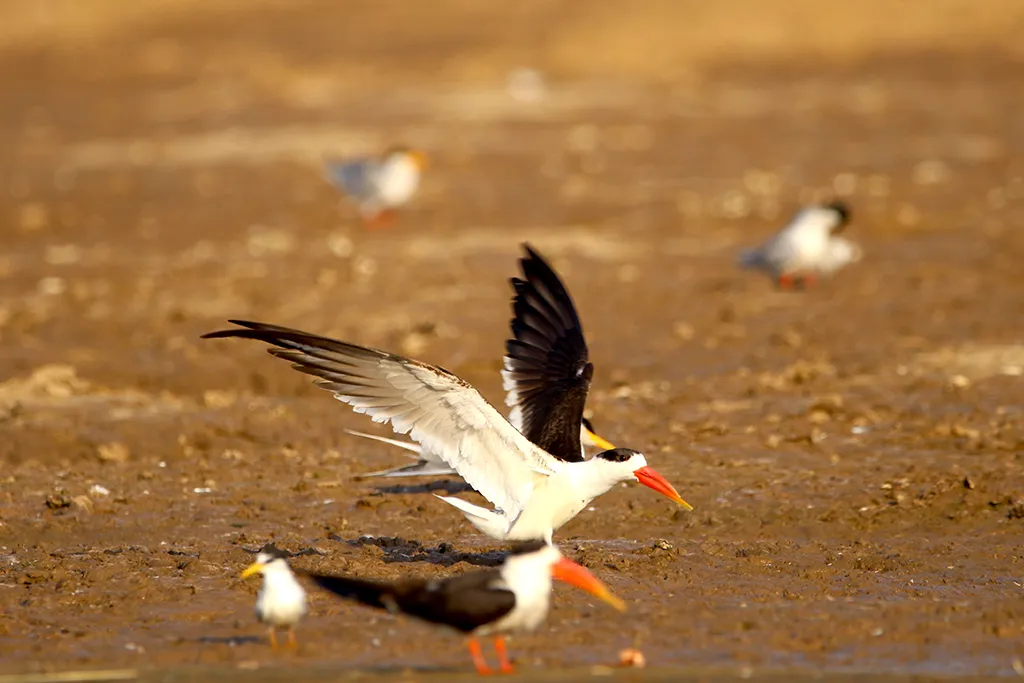
- Water Birds: Found along the Denwa River include river terns, kingfishers, and cormorants.
- Winter Migrants: Several northern species winter in Satpura, adding to the park’s avian richness.
- Special Species: The park is home to the critically endangered forest owlet.
4. Eco-Tourism & Conservation
Satpura National Park eco-tourism Madhya Pradesh focuses on sustainable practices:
- Walking Safaris: Unique guided walks that offer a different perspective on the jungle.
- Community Involvement: Local tribal communities participate in conservation and tourism activities.
- Sustainable Tourism: Eco-friendly accommodations and practices that minimize environmental impact.
- Conservation Programs: Educational initiatives about tiger conservation and habitat protection.
5. Stunning Landscapes
The breathtaking scenery of Satpura National Park enhances the visitor experience:
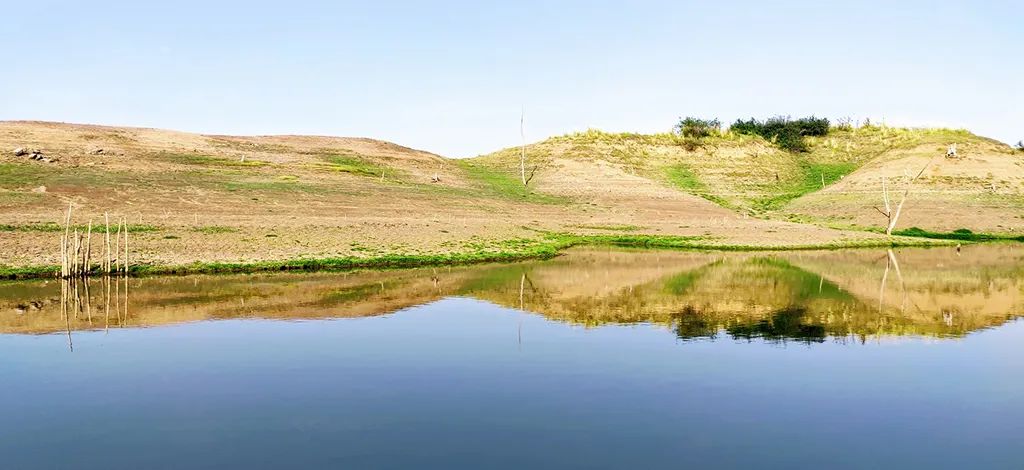
- Satpura Range: The park’s location in these hills provides dramatic landscapes and diverse habitats.
- Denwa River: The lifeline of the park, attracting numerous animals and birds throughout the year.
- Dense Forests: Teak and sal forests with rich undergrowth supporting diverse wildlife.
- Grasslands: Open areas that provide excellent wildlife viewing opportunities.
- Rock Formations: Unique geological formations add to the park’s scenic beauty.