

Sariska National Park
Rajasthan
Nestled in the rugged hills of the Aravalli Range in Rajasthan, Sariska National Park (officially Sariska Tiger Reserve) is a renowned wildlife sanctuary, established as a wildlife reserve in 1955 and later declared a tiger reserve in 1978 under Project Tiger. This sprawling 866-square-kilometer ecosystem is a vital conservation success story, famous for its successful reintroduction of the majestic Royal Bengal Tiger.
Planning a visit to this haven for wildlife enthusiasts, history buffs, and nature lovers requires some preparation. Securing your Sariska Safari Booking, especially the popular Sariska National Park Canter Safari Booking, is essential for exploring its vast dry deciduous forests. For a convenient and immersive experience, booking a government-approved Sariska Forest Lodge is recommended. Those preferring more luxurious stays will find a range of comfortable Sariska Resorts and heritage hotels surrounding the park.
The Best Time to Visit Sariska is from October to June, with the winter months (October to February) offering pleasant weather for exploration, and the summer heat (March to June) providing the best chances for wildlife and tiger sightings as animals congregate around waterholes. Beyond the iconic big cat, the park is a fantastic destination for Bird Watching in Sariska National Park, with over 200 species recorded, including the Crested Serpent Eagle and Indian Peafowl. The park’s landscape is also dotted with historical gems like the ruins of the 10th-century Kankwadi Fort and the ancient Neelkanth Temples, making it a unique blend of wilderness and culture. For those seeking more, Adventure Tours in Sariska can include exploring these historical sites and nature walks, making it a diverse and enriching experience.
Ideal Time to Visit Sariska National Park
The best time to visit Sariska National Park is from October to June, which includes:
- Winter Months (October to February): Pleasant and sunny weather, ideal for comfortable wildlife safaris and exploring the park’s historical ruins.
- Summer Months (March to June): Hotter temperatures, but excellent for wildlife viewing. The dry conditions and sparse vegetation force animals to congregate around waterholes, significantly increasing sighting probabilities.
Important Note:
The park remains open year-round for visitors.
However, the best accessibility and safari experience are during the dry months from October to June. During the monsoon (July to September), the park remains open but the lush vegetation can make animal sightings more challenging.
Activities and Experiences
- Wildlife Safaris: Jeep and canter safaris offer thrilling opportunities to explore the park’s dry deciduous forests and rocky landscapes in search of tigers, leopards, and other wildlife.
- Bird Watching: A fantastic destination for birdwatchers with over 200 species, including the crested serpent eagle, Indian peafowl, and golden-backed woodpecker.
- Heritage Exploration: Discover the park’s rich history by exploring the ancient ruins of Kankwadi Fort and the revered Neelkanth Temples nestled within the forest.
- Nature Photography: Capture the park’s unique blend of majestic wildlife, ancient monuments, and the scenic beauty of the Aravalli Range.
- Eco-Tourism: Stay in eco-friendly resorts or the government-run Sariska Forest Lodge for an authentic and immersive wilderness experience.
Tours Name
• Tigers of Corbett, Kanha, and Bandhavgarh
• Highlights of Kumaon & Dudhwa
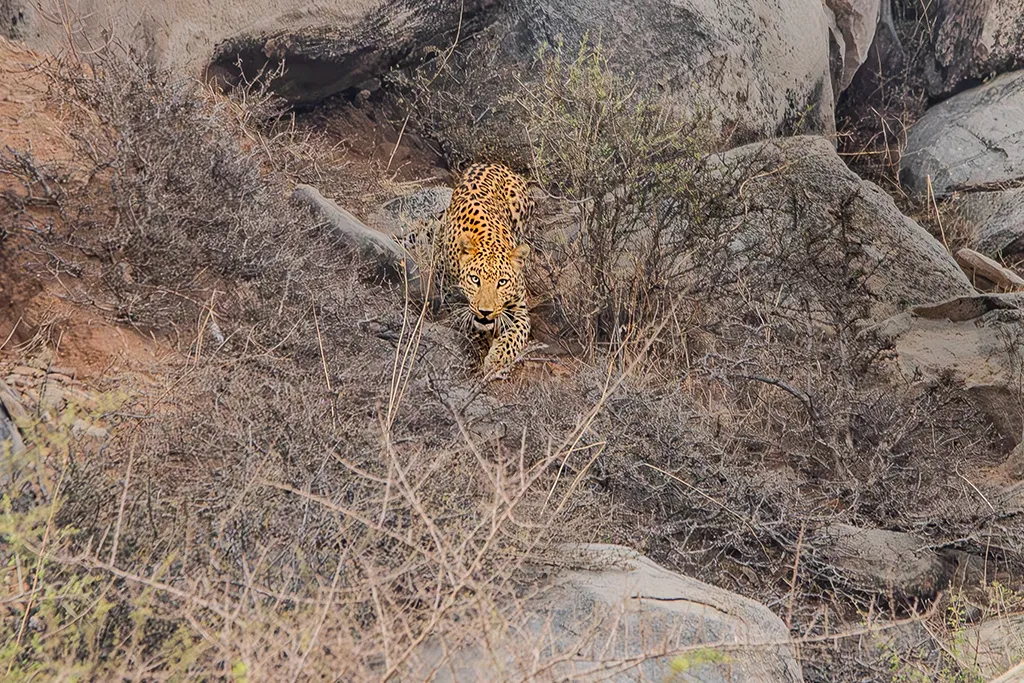
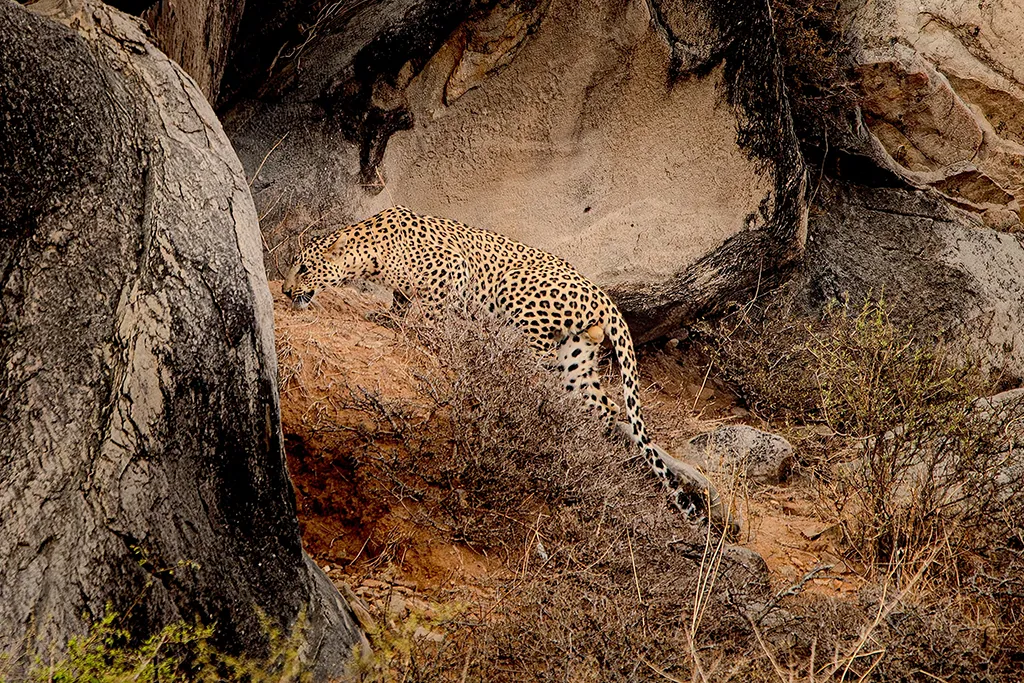
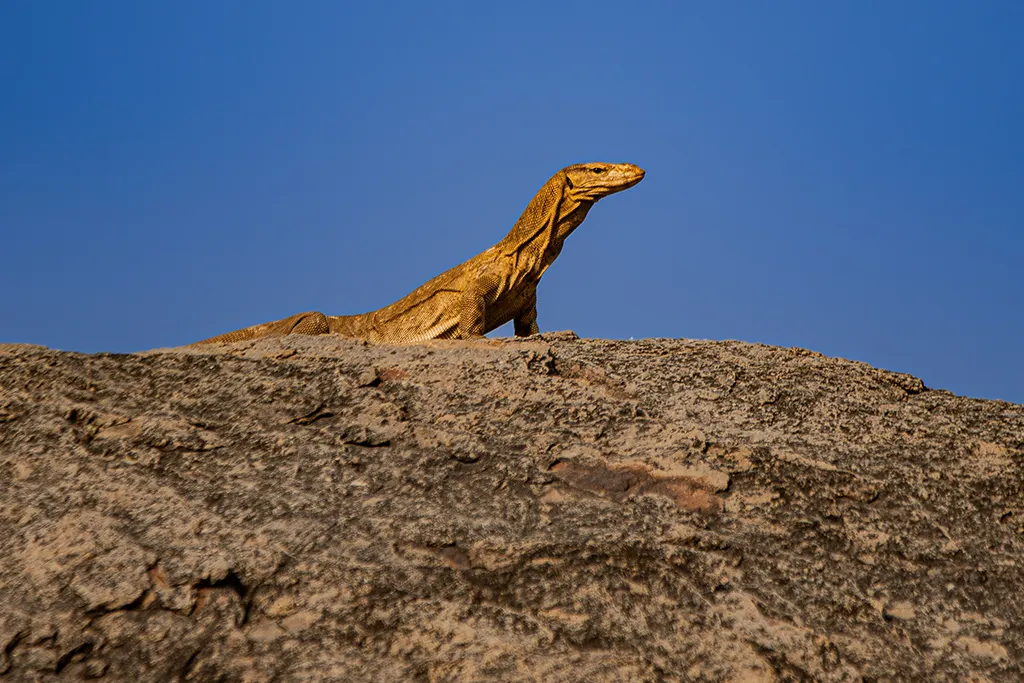
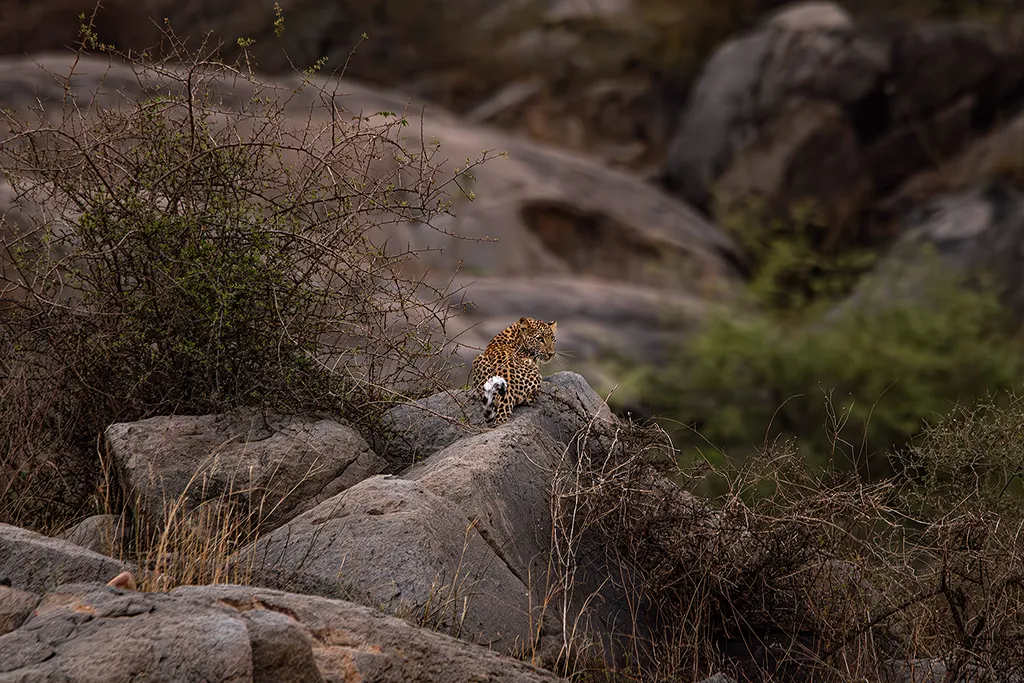
Sariska National Park: A Visitor’s Guide
1. Rich Wildlife & Tiger Safaris
Sariska National Park is celebrated for its successful tiger reintroduction program and diverse ecosystem, making it a prime destination for wildlife lovers.
- Royal Bengal Tiger: The park’s flagship species, reintroduced to restore the population. Safaris offer a chance to track these majestic big cats, though sightings require patience and luck.
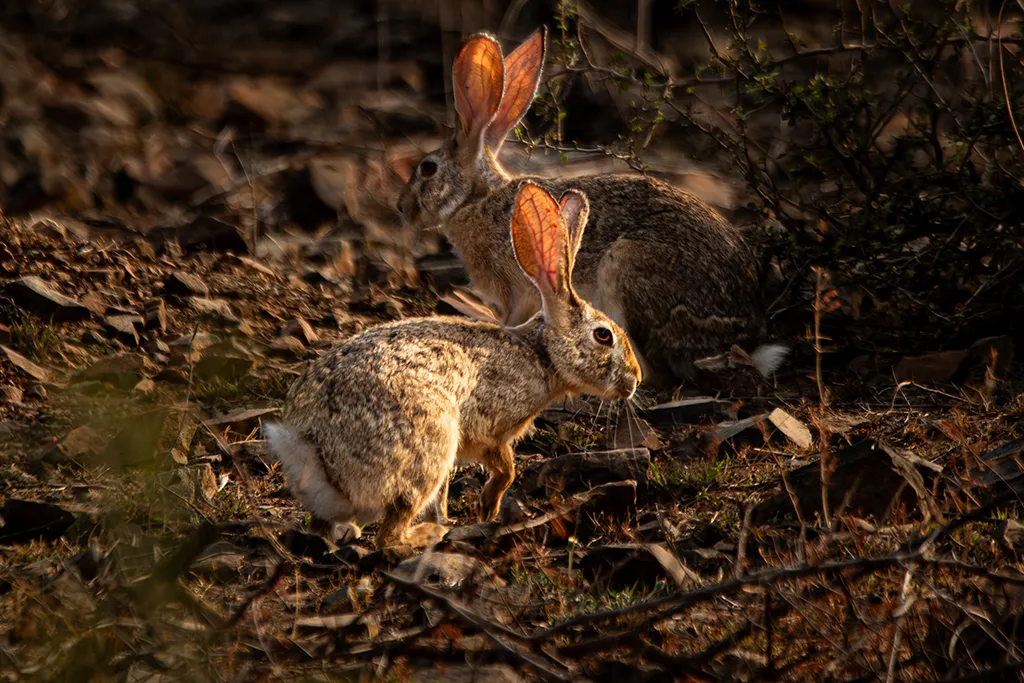
- Other Mammals: Leopards, striped hyenas, jungle cats, golden jackals, sambar deer, chital, nilgai, and wild boars.
- Reptiles: Marsh crocodiles, Indian rock pythons, and monitor lizards inhabit the park’s water bodies and forests.
2. Distinct Safari Zones
Sariska’s landscape, characterized by dry deciduous forests and rocky hills, offers unique safari experiences across its zones.
- Core Tiger Reserve Zone: The primary area for tiger sightings, accessible via jeep or canter safaris.
- Buffer Zones: Surrounding villages and forests, rich in biodiversity and ideal for birding and spotting smaller mammals.
- Year-Round Access: Unlike many parks, Sariska remains open throughout the year, though the best experience is during dry months.
3. Birdwatching Haven
With over 200 species, Sariska is a haven for bird enthusiasts.
- Raptors: Crested serpent eagle, shikra, and changeable hawk-eagle.
- Woodland Birds: Indian peafowl, golden-backed woodpecker, and white-throated kingfisher.
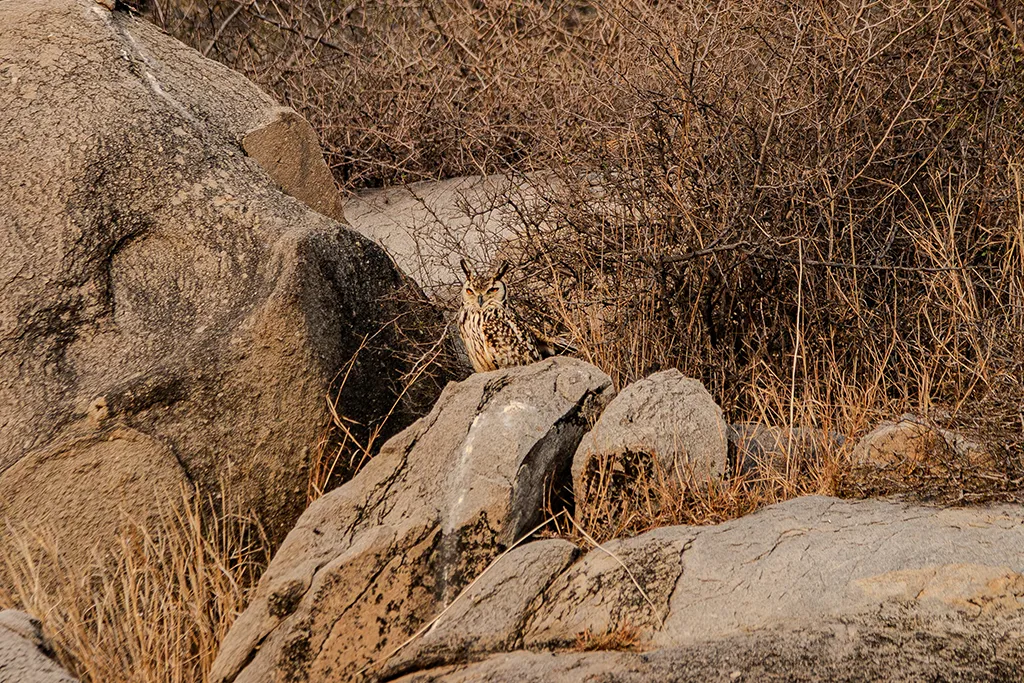
- Winter Migrants: Species like the grey wagtail and Eurasian eagle-owl visit during winter.
4. Historical & Cultural Treasures
Sariska seamlessly blends wilderness with Rajasthan’s rich heritage.
- Kankwadi Fort: A historic fort within the park, offering panoramic views and a glimpse into the region’s past.
- Neelkanth Temples: Ancient ruins dedicated to Lord Shiva, featuring intricate carvings and spiritual significance.
- Pandupol Temple: A Hindu shrine nestled in the hills, associated with legends from the Mahabharata.
5. Stunning Landscapes
The park’s terrain, set in the Aravalli Range, provides a stunning backdrop for exploration.
- Siliserh Lake: A picturesque water body near the park, attracting wildlife and ideal for photography.
- Dry Deciduous Forests: Dominated by dhok trees, these forests transform from lush green in monsoon to golden hues in summer.
- Rocky Terrains and Grasslands: Perfect for spotting animals like chital and nilgai against a dramatic landscape.