

Kaziranga National Park
Assam
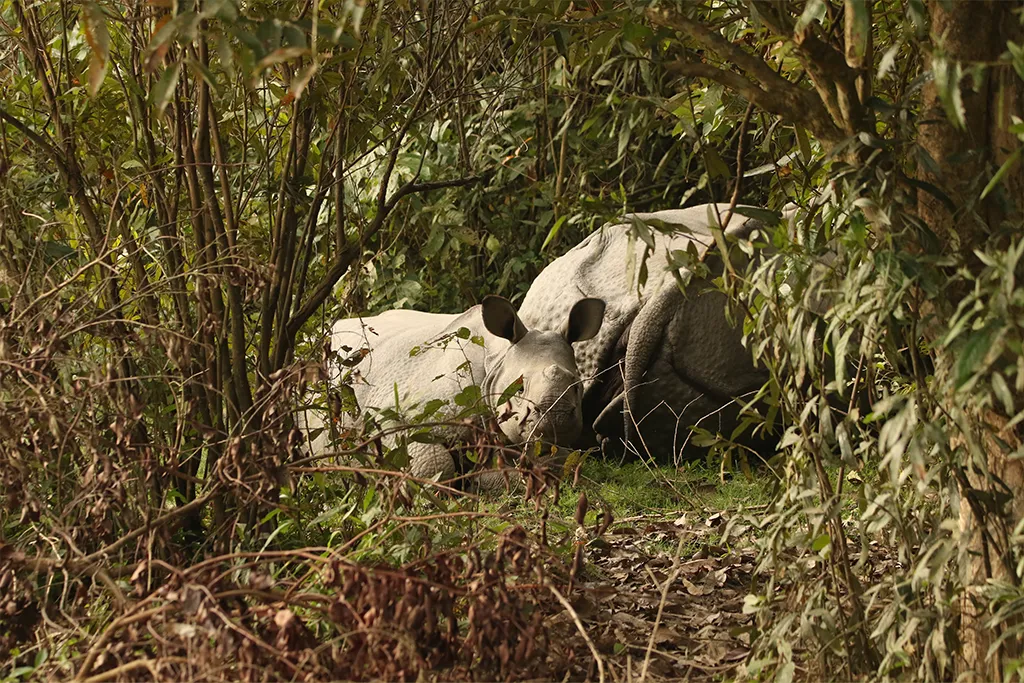
Nestled in the floodplains of the mighty Brahmaputra River in Assam, Kaziranga National Park (a UNESCO World Heritage Site and Tiger Reserve) is one of India’s most iconic wildlife sanctuaries. Established as a reserve forest in 1905 and declared a National Park in 1974, this 430-square-kilometer ecosystem is the world’s primary stronghold for the Great Indian One-Horned Rhinoceros and a global conservation success story.
Planning a visit to this haven for wildlife enthusiasts and nature lovers requires advance preparation. Securing your Kaziranga Jeep Safari Booking (and Elephant Safari where available) is essential for exploring its vast grasslands and wetlands. For a convenient and immersive experience, booking a government-approved forest lodge or one of the many Kaziranga Resorts and jungle lodges is highly recommended.
The Best Time to Visit Kaziranga is from November to April, with winter months (November to February) offering pleasant weather and summer (March to April) providing the best chances for rhino and tiger sightings as animals gather around water bodies. Beyond the iconic one-horned rhino (home to two-thirds of the world’s population), the park is a fantastic destination for Bird Watching in Kaziranga National Park with over 500 species recorded. Its unique floodplain landscape and rich biodiversity make it a must-visit for anyone seeking an unforgettable wildlife experience.
Ideal Time to Visit Kaziranga National Park
The best time to visit Kaziranga National Park is from November to April, which includes:
- Winter Months (November to February): Pleasant and mild weather, ideal for comfortable wildlife safaris and excellent birdwatching with clear visibility.
- Summer Months (March to April): Hotter and drier conditions, but superb for wildlife viewing. Animals congregate around the remaining water bodies (beels), dramatically increasing sighting chances for rhinos, tigers, and elephants.
Important Note:
The park is officially open only from November to April. It remains completely closed from May to October due to annual flooding by the Brahmaputra River. Monsoon visits are not possible for safaris.
Activities and Experiences
- Wildlife Safaris: Jeep safaris (most popular) and elephant safaris (in Kohora and Bagori ranges) offer thrilling close encounters with rhinos, tigers, and other mega-fauna.
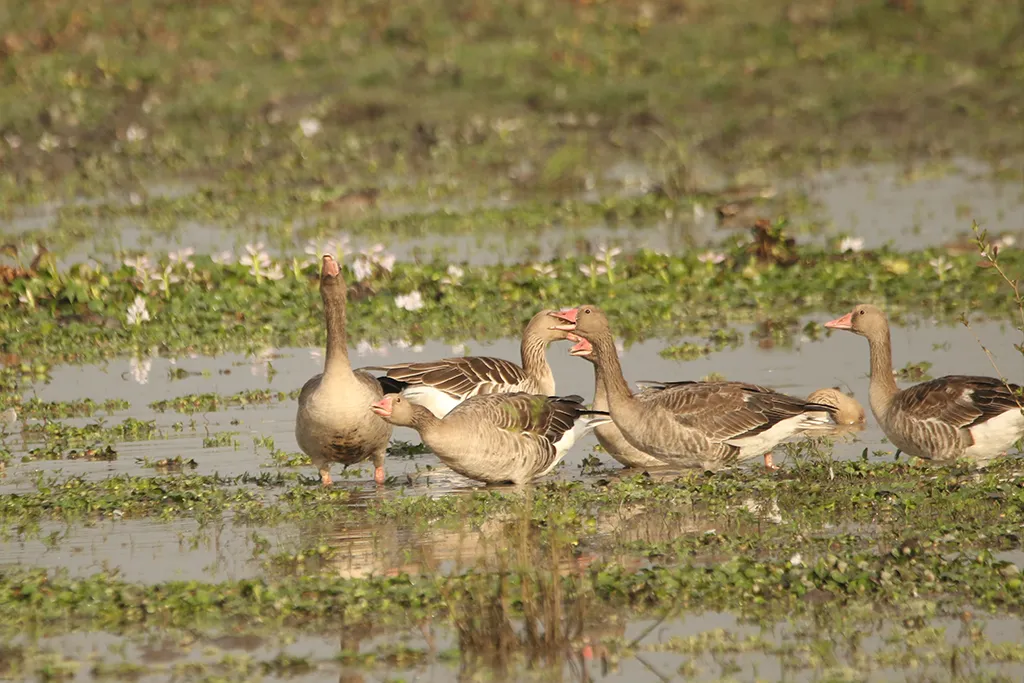
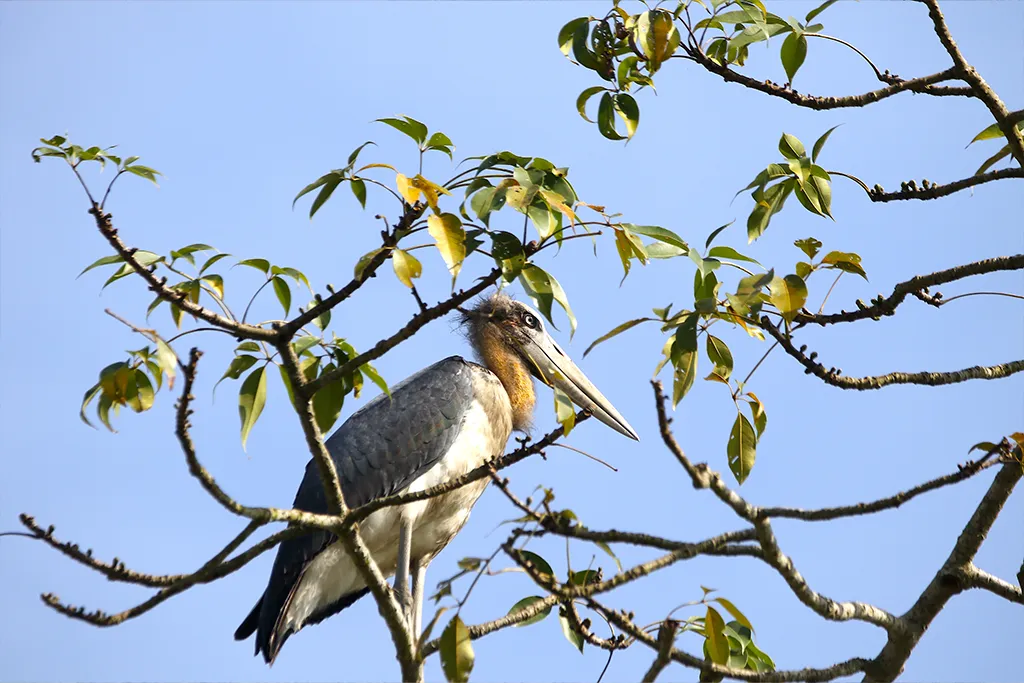
- Bird Watching: A paradise for birders with over 500 species, including the critically endangered Bengal Florican, Greater Adjutant Stork, and various raptors and migratory waterfowl.
- River Cruises: Scenic boat rides on the Brahmaputra River along the park’s northern boundary for dolphin spotting and panoramic views.
- Nature Photography: Capture iconic one-horned rhinos in tall grasslands, elephants at waterholes, and the dramatic floodplain landscape.
- Eco-Tourism: Stay in eco-friendly jungle lodges, luxury resorts, or the government-run forest bungalows for an immersive wilderness experience.
Tours Name
• Best Sunderbans & Assam Wildlife Tour
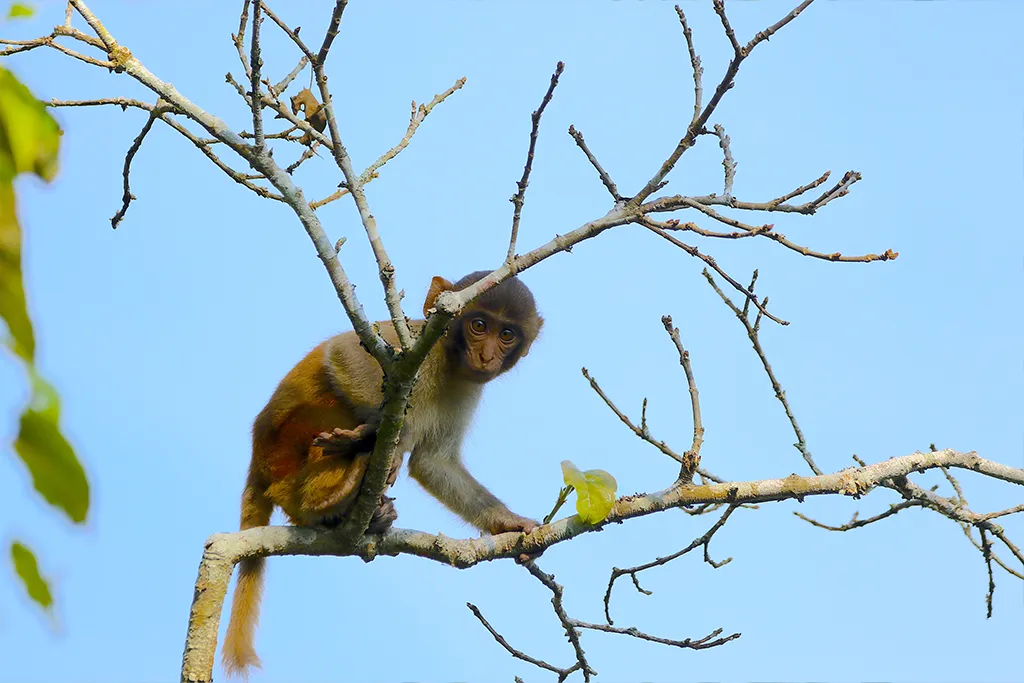
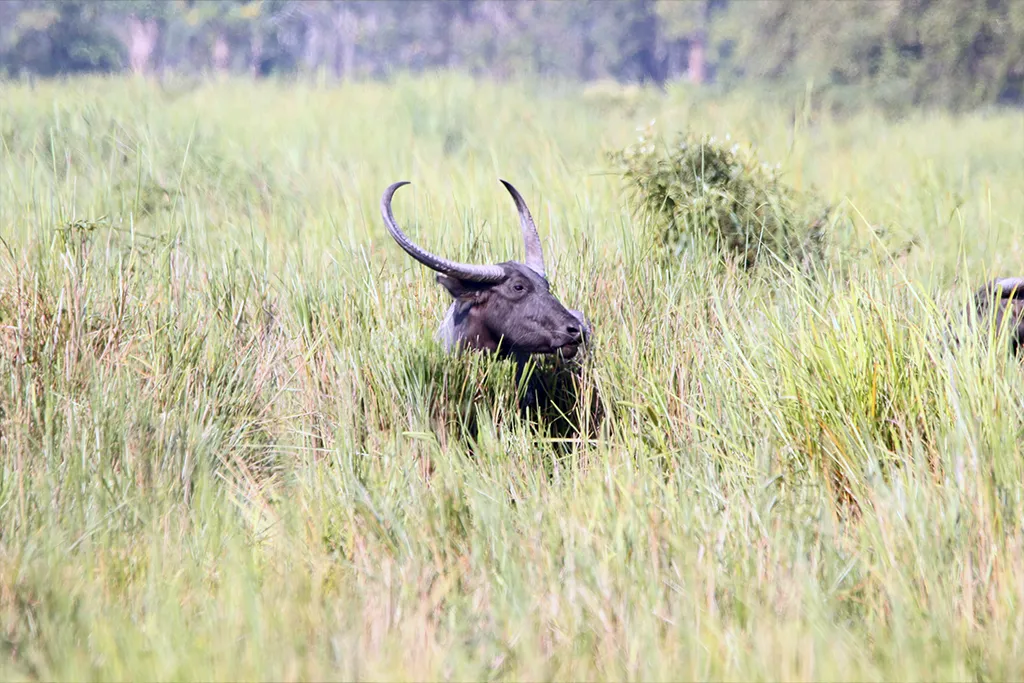
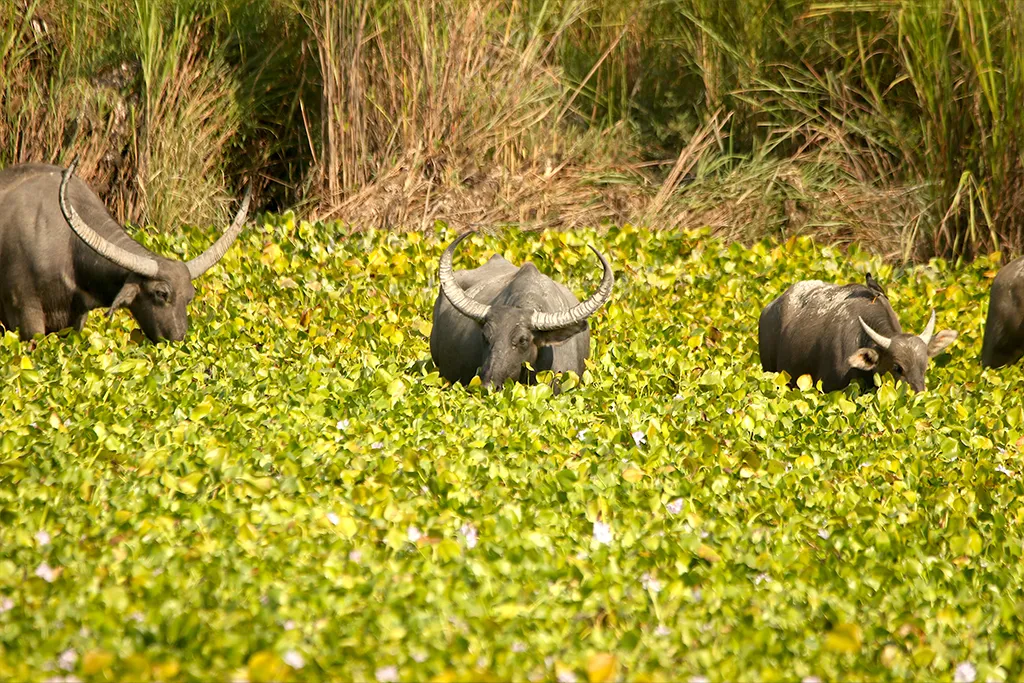
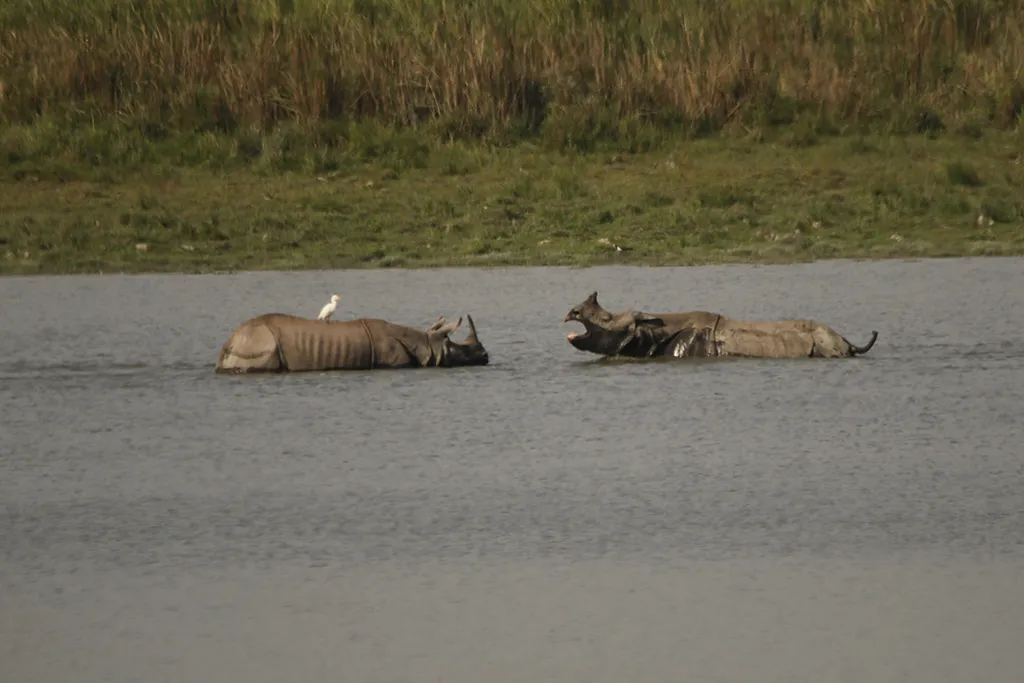
Kaziranga National Park: A Visitor’s Guide
1. Rich Wildlife & Rhino Safaris
Kaziranga National Park is world-famous for its conservation success and diverse ecosystem, making it a prime destination for wildlife lovers.
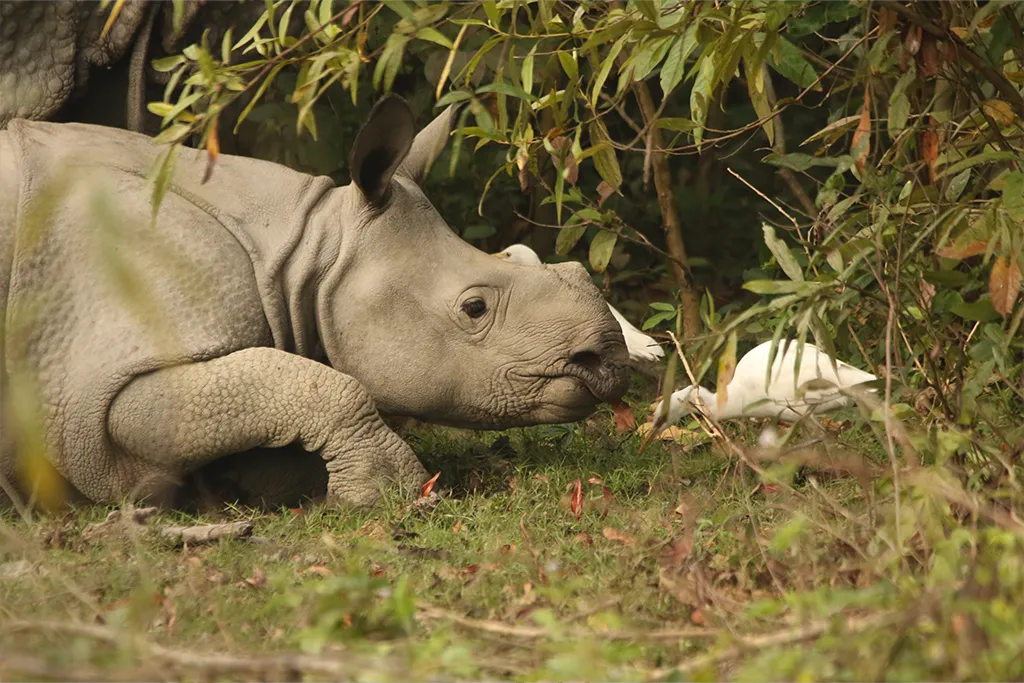
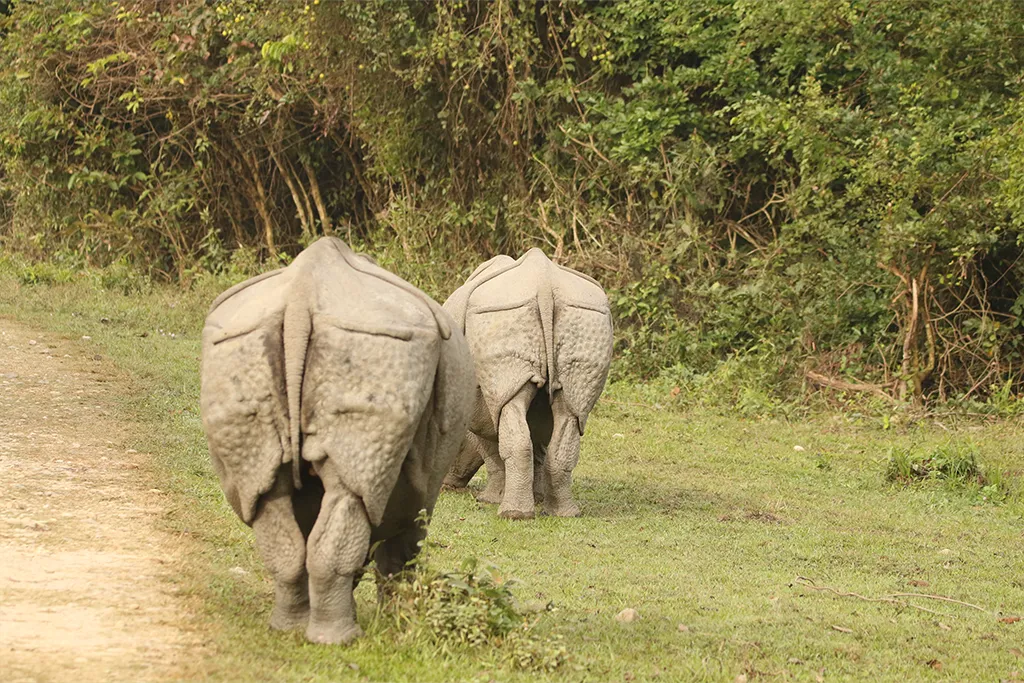
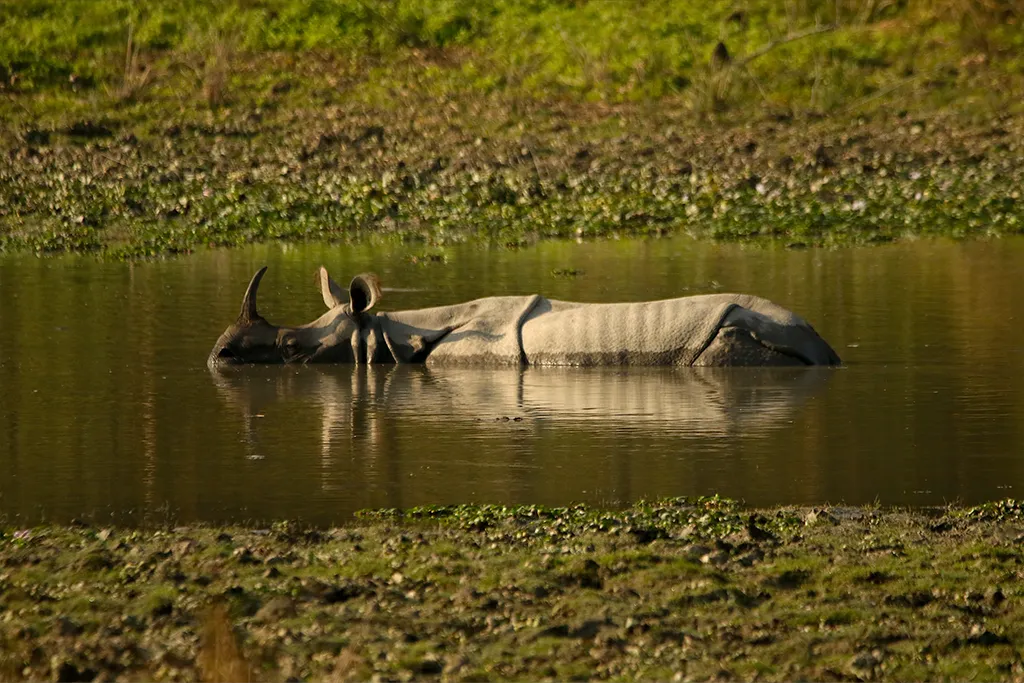
- Great Indian One-Horned Rhinoceros: The park’s flagship species — over 2,600 individuals, nearly two-thirds of the global population. Safaris offer frequent, close-range sightings.
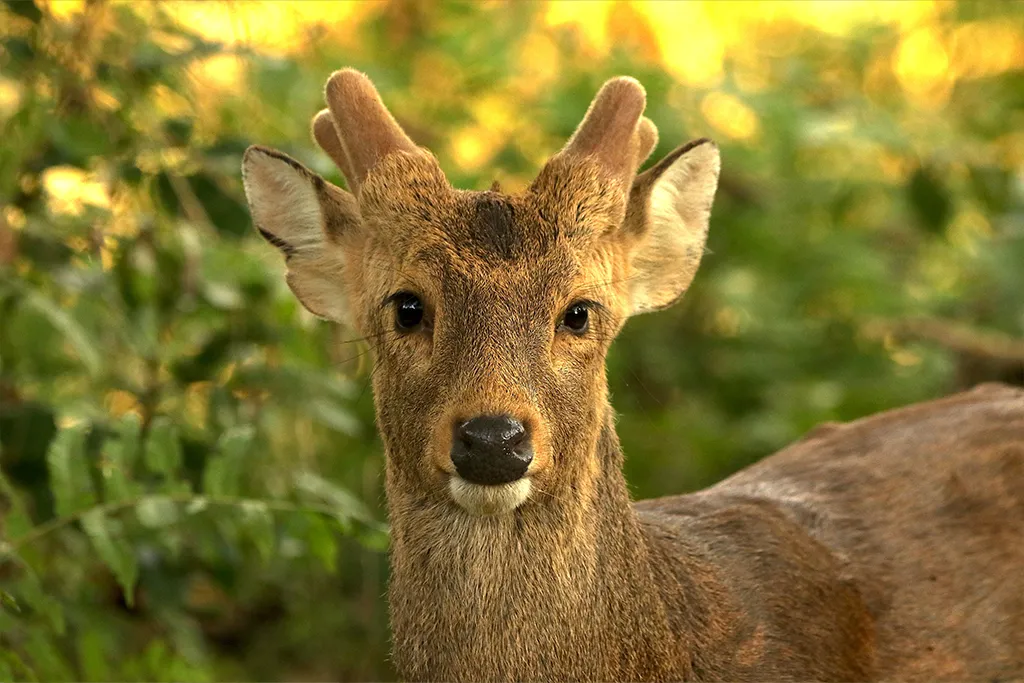
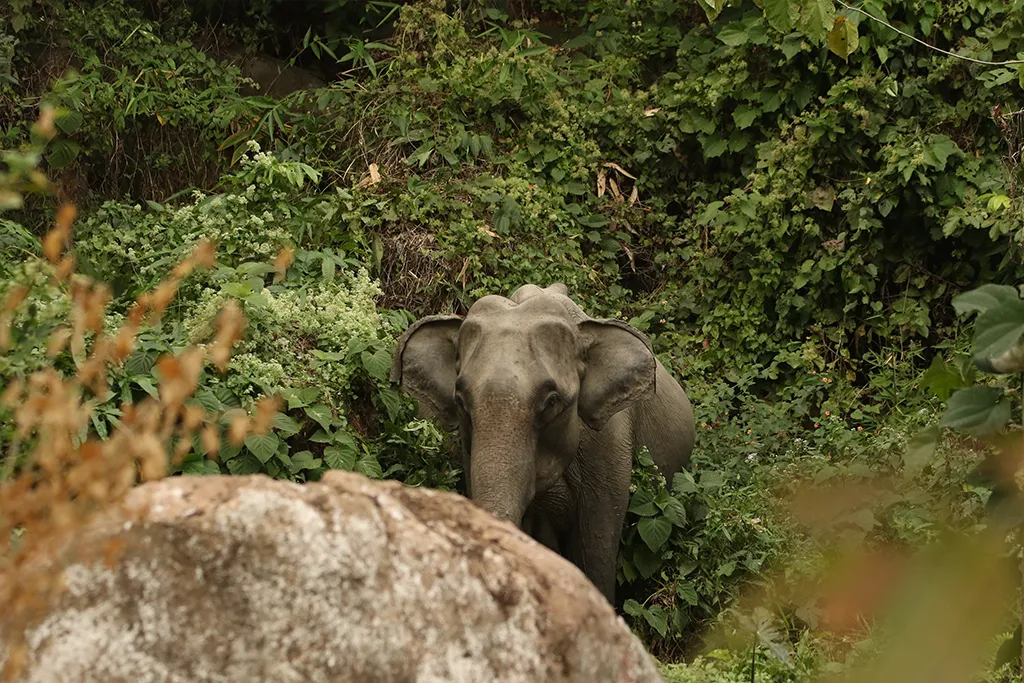
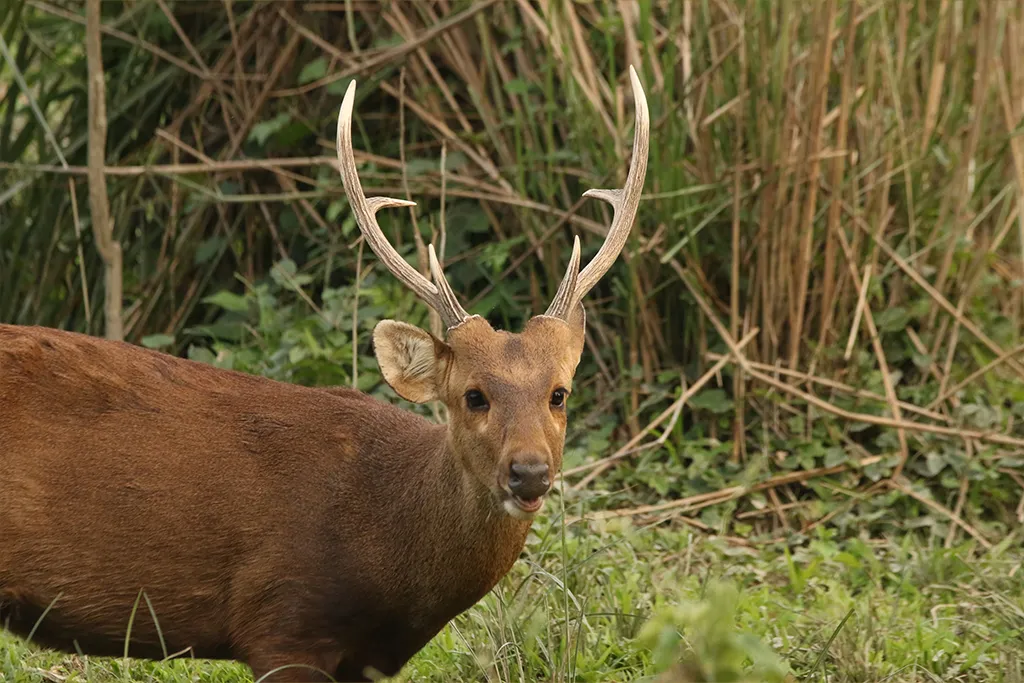
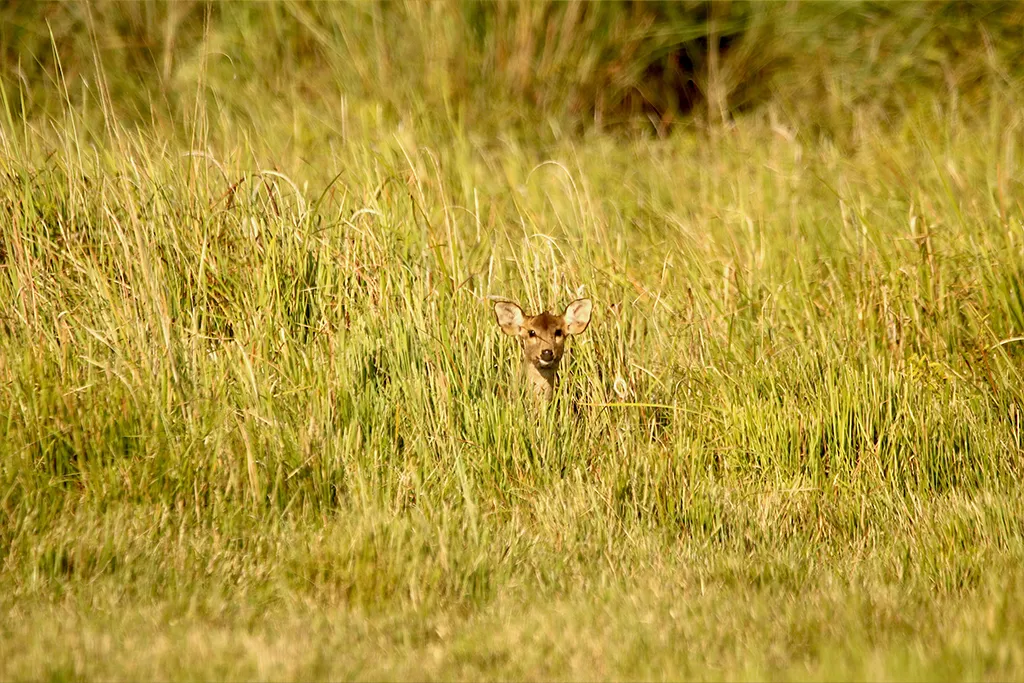
- Other Mammals: Bengal Tiger, Asian Elephant, Wild Water Buffalo, Swamp Deer (Barasingha), Hog Deer, Sambar, and Gaur.
- Reptiles: Rock Python, King Cobra, and various turtles and monitor lizards in the wetlands and forests.
2. Distinct Safari Zones
Kaziranga’s floodplain landscape is divided into four main safari ranges, each offering a unique experience.
- Central Zone (Kohora): Most popular and accessible; excellent for rhinos, tigers, and elephant safaris.
- Western Zone (Bagori): Surrounding villages and forests, rich in biodiversity and ideal for birding and spotting smaller mammals.
- Eastern Zone (Agaratoli): Less crowded, great for birds and waterfowl.
- Burapahar Range: Newer zone with hilly terrain, forests, and fewer visitors.
3. Birdwatching Paradise
With over 500 recorded species, Kaziranga is one of India’s top birding destinations.
- Raptors & Wetland Birds: Greater Adjutant Stork, Bengal Florican, Pallas’s Fish Eagle, and Grey-headed Fish Eagle.
- Forest & Grassland Birds: Indian Peafowl, Crested Serpent Eagle, and various hornbills.
- Winter Migrants: Ducks, geese, and waders that arrive in large numbers during winter.
4. Iconic Wetlands & Beels
Kaziranga’s dynamic floodplain ecosystem is shaped by the Brahmaputra River.
- Beels (oxbow lakes): Shallow wetlands that attract huge concentrations of wildlife, especially during the dry season.
- Tall Elephant Grass Meadows: The signature habitat that hides rhinos and supports grazing herds.
- Riverine Floodplains: Seasonal flooding creates a unique landscape that sustains exceptional biodiversity.
5. Stunning Landscapes
The park’s terrain, set in the Brahmaputra Valley, provides a breathtaking backdrop.
- Expansive Grasslands: Golden in winter, green in early summer — perfect for spotting rhinos against the horizon.
- Brahmaputra River Views: Dramatic riverine scenery along the northern boundary.
- Semi-Evergreen Forests & Swamps: Dense patches of forest and marshland that add variety to the landscape.