

Kanha National Park
Madhya Pradesh
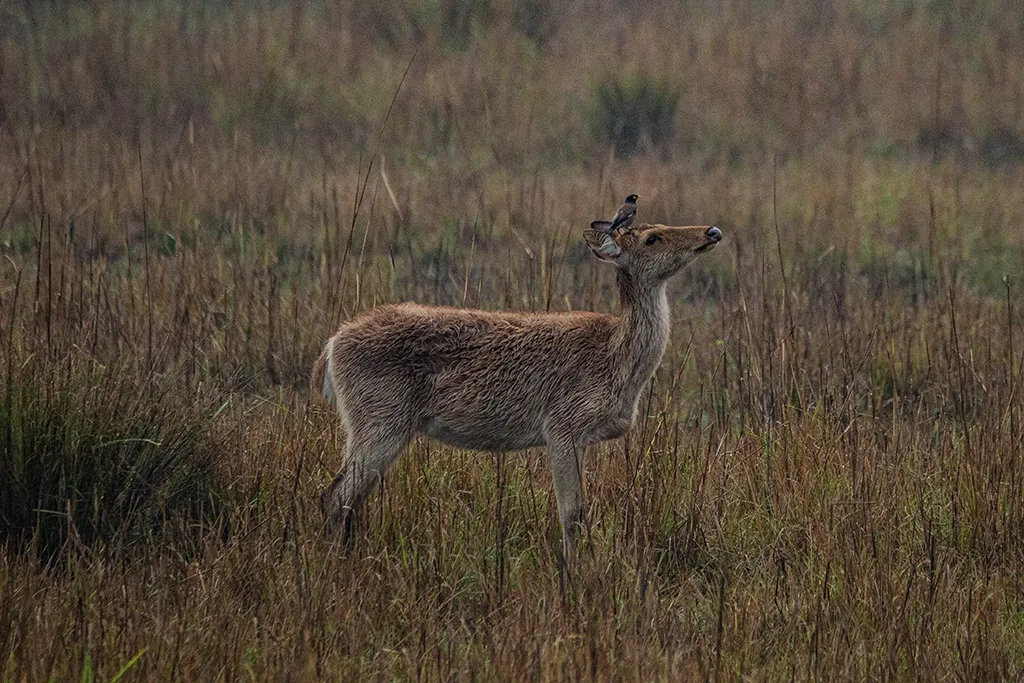
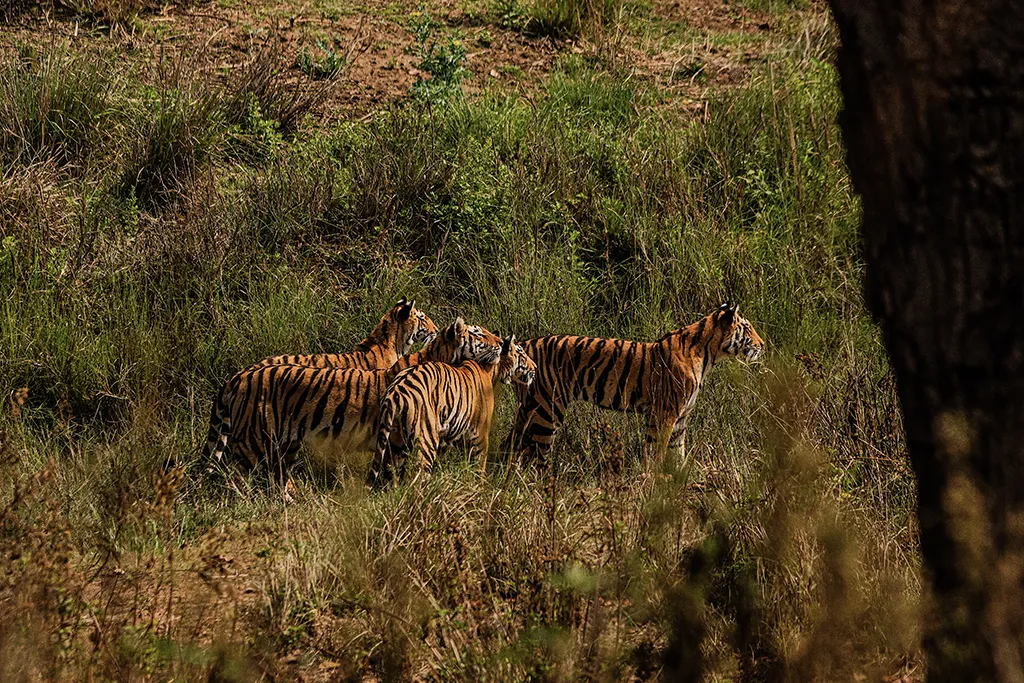
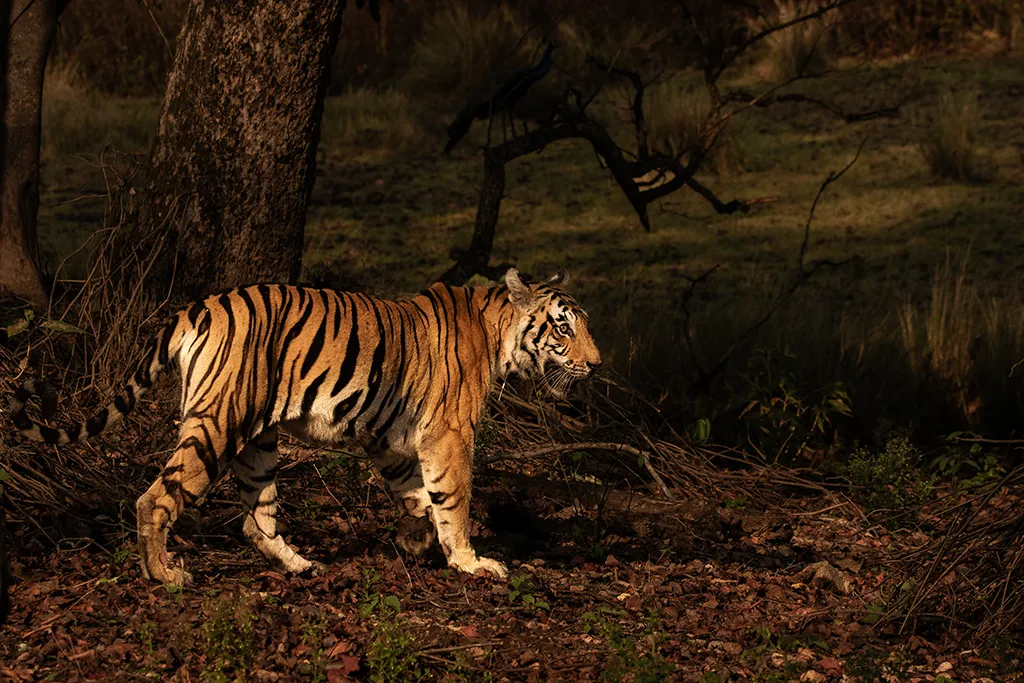
Nestled in the majestic Maikal ranges of the Satpura Hills in Madhya Pradesh, Kanha National Park stands as one of India’s premier tiger reserves and the living inspiration for Rudyard Kipling’s The Jungle Book. This 940-square-kilometer wilderness sanctuary offers what many consider the best tiger safari in Kanha National Park, making it a crown jewel for Wildlife Tours India. Beyond its famous Bengal tigers, Kanha is celebrated for its successful conservation of the endangered hardground barasingha, a species found nowhere else on Earth.
A truly immersive Kanha wildlife tour requires planning. The crucial first step is securing your Kanha National Park jeep safari booking well in advance through the official MP Forest Department portal. Choosing the right Kanha safari zones is key to your experience, with each area offering unique landscapes and wildlife viewing opportunities. For accommodation, visitors can select from a range of Kanha Resorts, from luxurious jungle lodges to comfortable budget-friendly options.
Understanding the best time to visit Kanha is essential for optimizing your safari experience. The park also offers incredible opportunities for birdwatching in Kanha National Park, with over 300 species recorded, making it a holistic destination for every nature enthusiast.
Ideal Time to Visit Kanha National Park
Choosing the best time to visit Kanha depends on what you wish to experience:
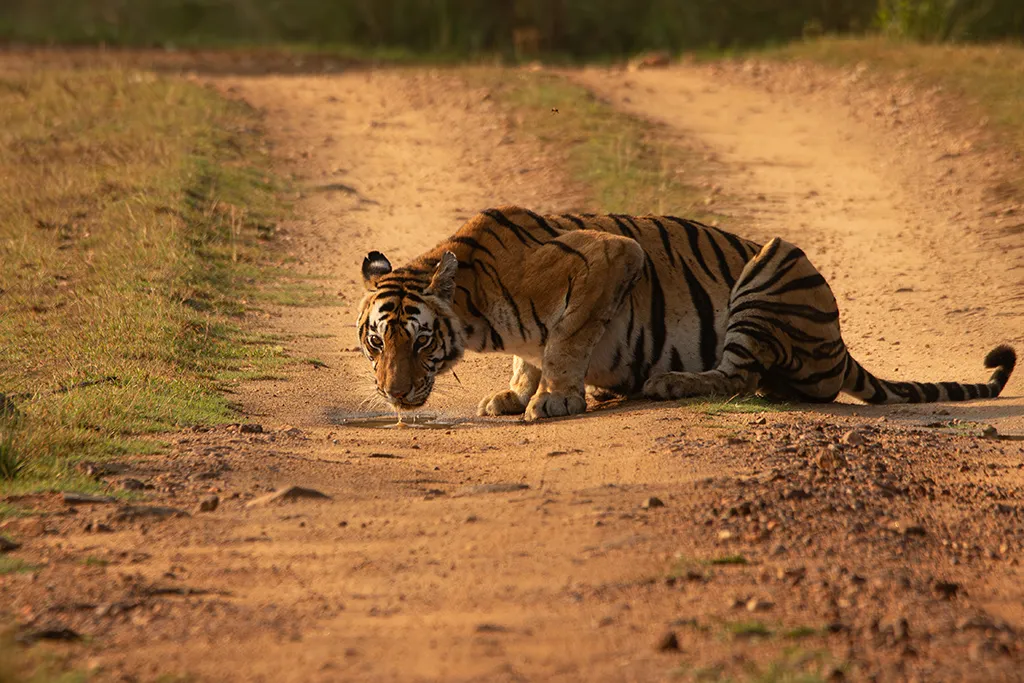
- Pe Wildlife Viewing (March to June): The summer months offer the best tiger safari Kanha experience. As water sources diminish, wildlife congregates around remaining waterholes, and the thinning vegetation dramatically increases visibility for sightings.
- Pleasant Weather (October to February) : The winter season provides comfortable temperatures for safari drives and is excellent for birdwatching in Kanha as migratory species join the park’s residents. The landscape is lush and green following the monsoon.
Park Closure Note:
Kanha National Park remains closed during the monsoon season from July 1st to September 30th to allow the forest to regenerate.
Activities and Experiences
- Wildlife Safaris: The quintessential tiger safari Kanha experience is conducted via open-top jeeps that venture into the core zones twice daily. This is the best way to explore the diverse Kanha safari zones.
- Bird Watching: With over 300 species, birdwatching in Kanha National Park is spectacular. The park hosts everything from vibrant forest birds to majestic raptors and winter migrants.
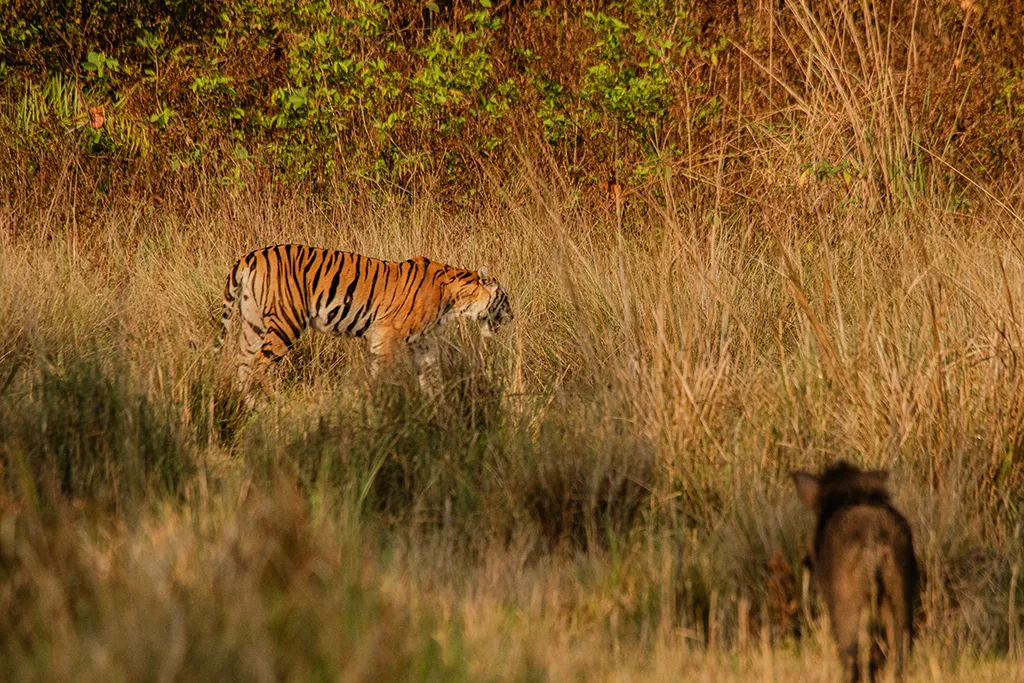
- Nature Photography: The park’s stunning landscapes and abundant wildlife create a photographer’s paradise. Wildlife photography in Kanha Mukki Zone is particularly rewarding due to its open meadows and strong tiger population.
- Cultural & Scenic Tours: A Kanha National Park Sunset Point tour to Bamani Dadar offers breathtaking panoramic views of the park. Visitors can also learn about local Gond and Baiga tribal culture at the park museum and nearby villages.
Tours Name
• Tigers of Corbett, Kanha, and Bandhavgarh
• Highlights of Kumaon & Dudhwa
Kanha National Park: A Visitor’s Guide
1. Diverse Wildlife & Tiger Safaris
Kanha National Park protects a remarkable array of fauna, making every Kanha wildlife tour an adventure.
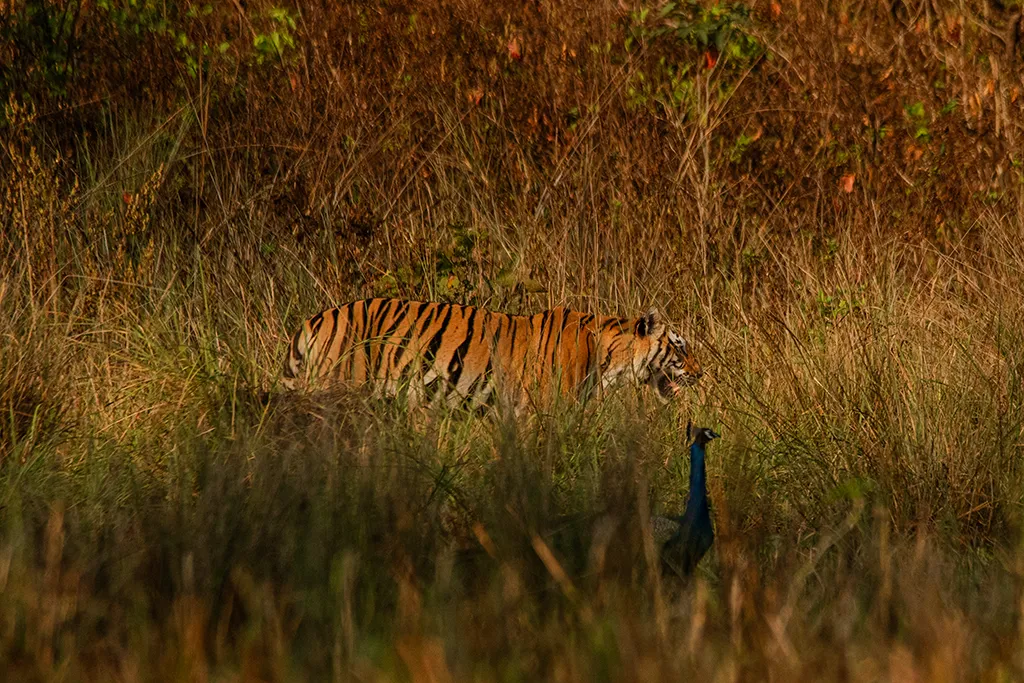
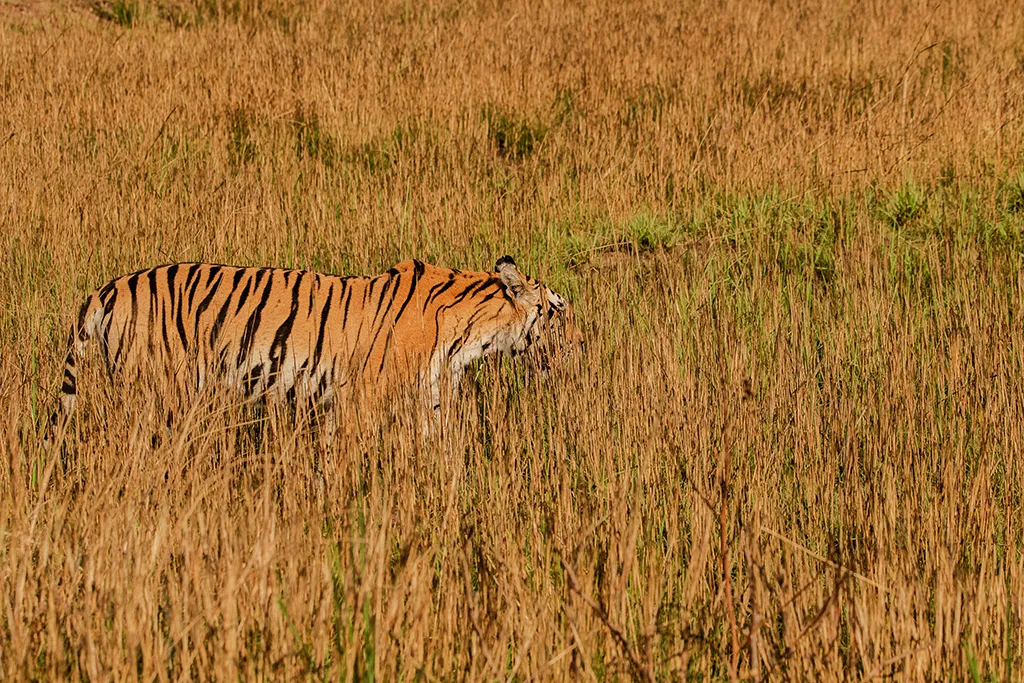
- Royal Bengal Tiger: The park’s apex predator and main attraction. A tiger safari Kanha offers excellent sighting opportunities due to the healthy population density.
- Hardground Barasingha: The park’s conservation flagship species, this swamp deer was saved from near extinction and is now thriving in Kanha’s meadows.
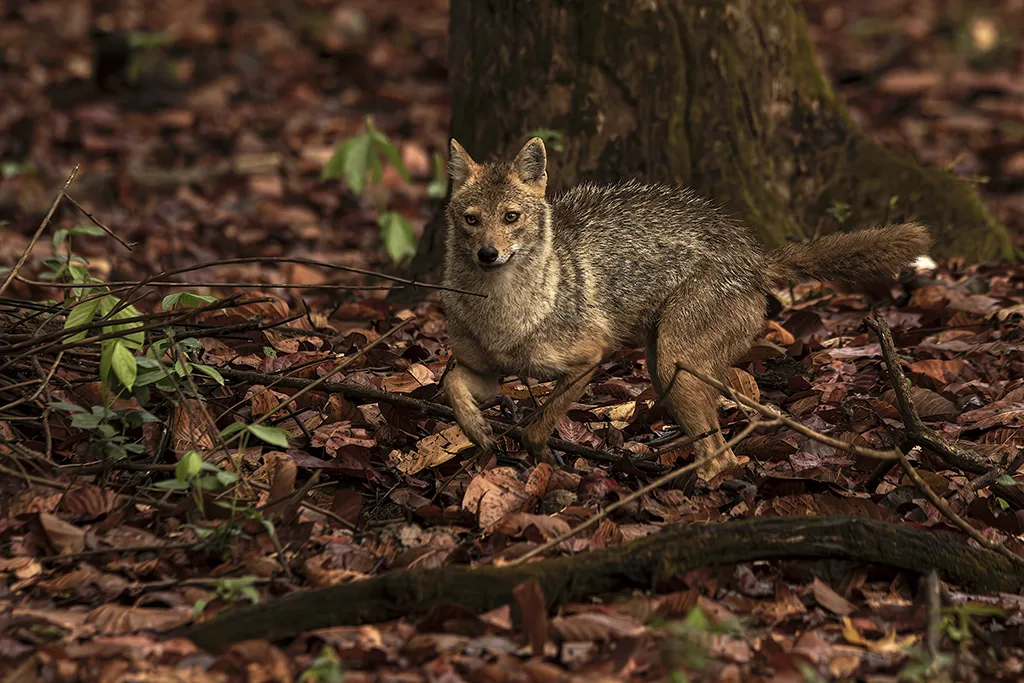
- Other Mammals: Leopards, wild dogs (dhole), Indian gaur (bison), sloth bears, and abundant spotted deer (chital) and sambar.
- Reptiles: Includes Indian python, monitor lizards, and various snake species.
2. Unique Safari Zones
Understanding the distinct Kanha safari zones enhances your safari strategy:
- Kanha Zone: The central zone featuring the famous Kanha Meadow, excellent for spotting barasingha and predators that hunt in this open area.
- Kisli Zone: Known for its dense sal forests and historical significance as the park’s original core area. Excellent for birding.
- Mukki Zone: Renowned for its open grasslands and high tiger density. Wildlife photography in Kanha Mukki Zone is particularly productive due to good visibility.
- Sarhi Zone: A buffer zone offering quieter safari experiences with good chances of seeing sloth bears and diverse birdlife.
- Bhaisanghat Zone: Characterized by mixed forest and grassland, ideal for those seeking a more secluded safari experience.
3. Birdwatching Haven
Birdwatching in Kanha National Park reveals an astonishing diversity of avian life:
- Raptors: Crested serpent eagle, changeable hawk-eagle, and Oriental honey-buzzard.
- Forest Birds: Malabar pied hornbill, Indian pitta, orange-headed thrush, and various flycatchers.
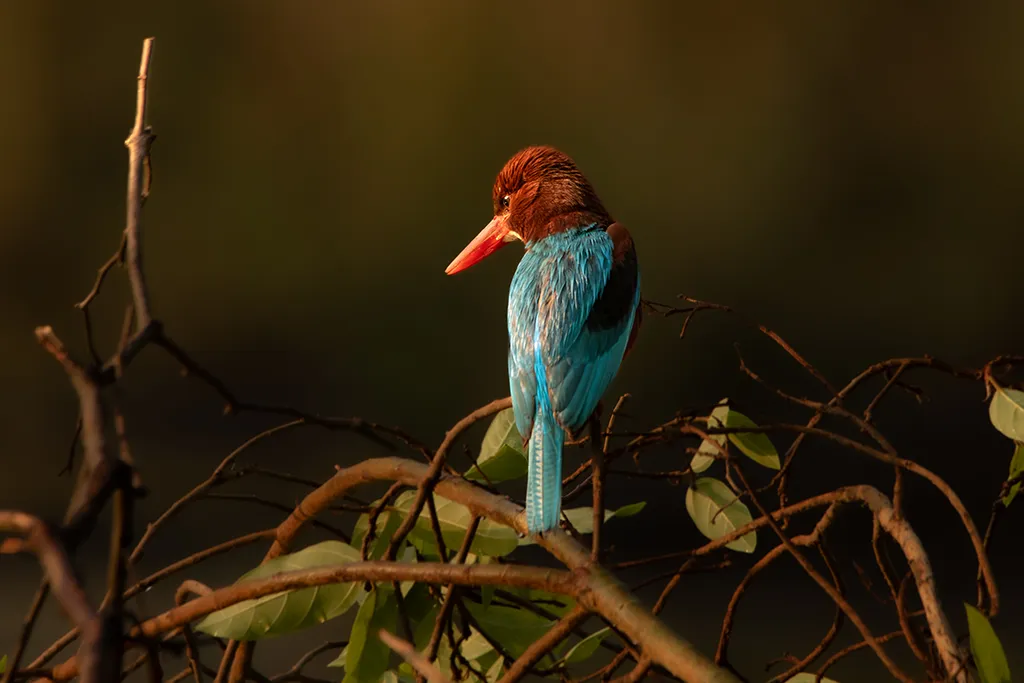
- Water Birds: Found near park water sources include kingfishers, egrets, and herons.
- Winter Migrants: Many northern species winter in Kanha, including various raptors and songbirds.
4. Historical & Architectural Highlights
While primarily a natural destination, Kanha offers cultural interest:
- Kanha Museum: Located at the park entrance, it showcases the park’s conservation story, particularly the rescue of the barasingha, and displays information about local flora and fauna.
- Bamani Dadar: Known as Sunset Point, this elevated area offers the park’s most spectacular panoramic views, making a Kanha National Park Sunset Point tour a perfect evening activity.
- Tribal Culture: The region surrounding the park is home to Gond and Baiga tribes, whose traditional culture adds another layer of interest to visits.
5. Stunning Landscapes
The breathtaking scenery of Kanha National Park is integral to its magic:
- Expansive Meadows: The vast grasslands like Kanha Meadow and Saunf Meadow are the park’s defining feature, providing critical grazing grounds for deer and setting for dramatic wildlife sightings.
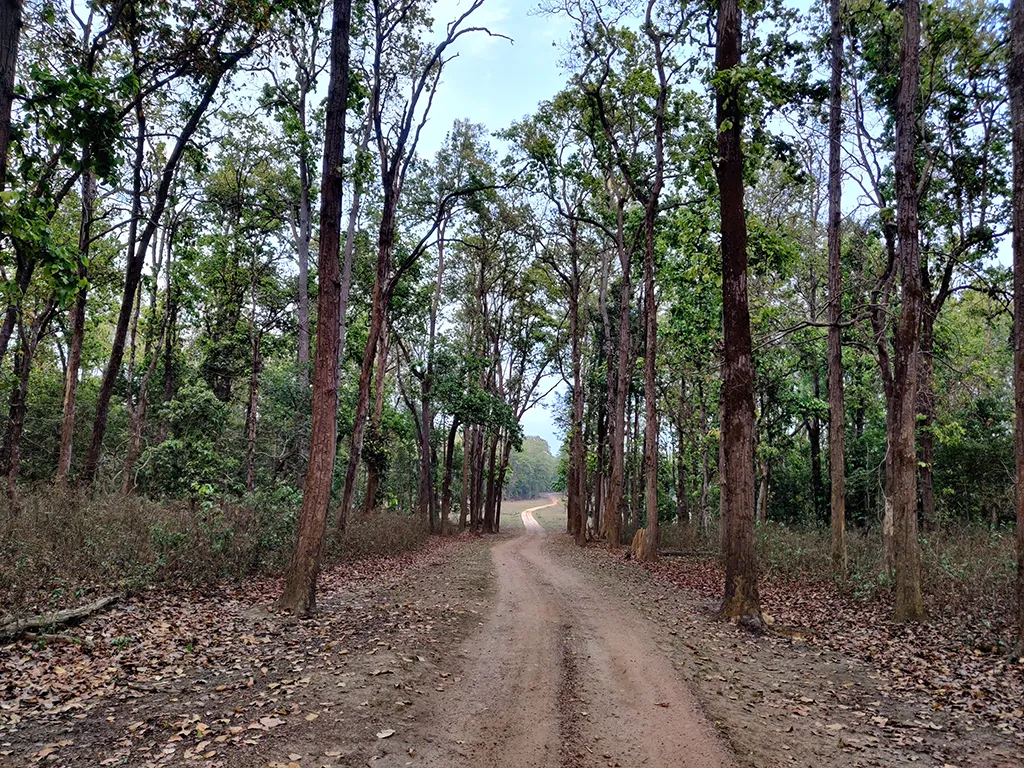
- Dense Forests: Towering sal trees and bamboo groves create a classic central Indian forest atmosphere with dappled sunlight filtering through the canopy.
- Waterways: The Banjar River and numerous streams sustain the park’s ecosystem, creating beautiful reflections and attracting wildlife, especially in the dry season.
- Rolling Hills</strong: The park’s topography of gentle hills and valleys provides dramatic vistas and diverse habitats that support its incredible biodiversity.