

Dudhwa National Park
Uttar Pradesh
Nestled in the Terai region of Uttar Pradesh, Dudhwa National Park is one of North India’s most significant wildlife sanctuaries and a crucial tiger conservation area. This magnificent park, located along the India-Nepal border, offers a unique tiger safari Dudhwa experience amidst vast grasslands, dense forests, and swampy marshes. The park’s unique ecosystem, part of the Terai Arc Landscape, makes it an ideal location for a comprehensive Dudhwa wildlife tour that showcases the rich biodiversity of the Indo-Gangetic Plain.
Planning an adventure to this northern wilderness requires careful preparation. The essential first step is securing your Dudhwa National Park jeep safari booking through the Uttar Pradesh Forest Department website or authorized tour operators. Understanding the different Dudhwa safari zones is crucial for maximizing your wildlife experience, as each zone offers unique landscapes and viewing opportunities. For accommodation, visitors can choose from various eco-friendly options that support Dudhwa National Park eco-tourism Uttar Pradesh, ranging from forest rest houses to nearby eco-resorts.
Knowing the best time to visit Dudhwa is key to optimizing your safari experience. The park also provides outstanding opportunities for birdwatching in Dudhwa National Park, with over 350 species recorded, making it a paradise for bird enthusiasts and nature photographers. The park’s proximity to the Suheli and Mohana rivers creates ideal conditions for both terrestrial and aquatic wildlife.
Ideal Time to Visit Dudhwa National Park
Choosing the best time to visit Dudhwa depends on your wildlife viewing preferences:
- Peak Wildlife Viewing (March to May): The summer months offer the best tiger safari Dudhwa experience. As water sources diminish, wildlife congregates around remaining waterholes, while the thinning vegetation dramatically improves visibility for sightings.
- Pleasant Weather (November to February): The winter season provides comfortable temperatures for safari drives and is excellent for birdwatching in Dudhwa as migratory species from Central Asia and Europe join the park’s residents.
- Monsoon Consideration (June to October): The park remains closed during the monsoon season from June 15th to November 15th to allow the forest ecosystem to regenerate and for safety reasons.
Important Note:
Dudhwa National Park remains closed during the monsoon season to allow for habitat regeneration and because many areas become inaccessible due to flooding.
Activities and Experiences
- Wildlife Safaris: The classic tiger safari Dudhwa experience is conducted through open-top jeeps that explore the core zones. This is the best way to experience the diverse Dudhwa safari zones and potentially witness the park’s famous predators.
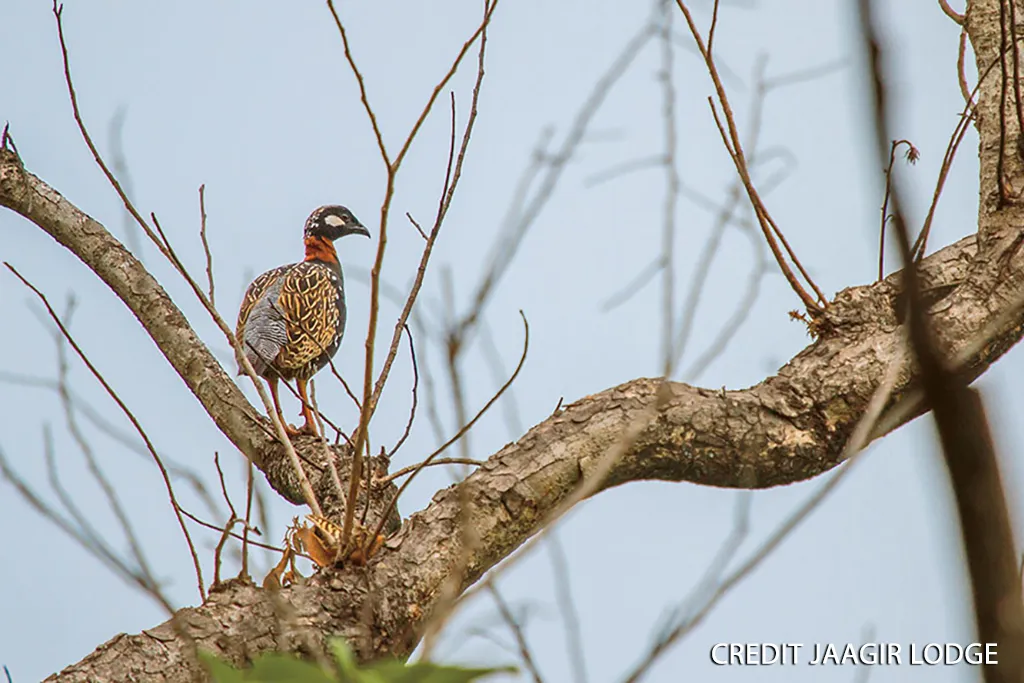
- Bird Watching: With over 350 species, birdwatching in Dudhwa National Park is exceptionally rewarding. The park hosts numerous resident and migratory species, particularly waterbirds and grassland specialists.
- Nature Photography: The park’s varied landscapes and abundant wildlife provide excellent opportunities for photographers. Wildlife photography in Dudhwa core zone is especially productive due to the open grasslands and good animal visibility.
- Eco-Tourism Experiences: Dudhwa National Park eco-tourism Uttar Pradesh includes nature walks, visits to nearby Tharu tribal villages, and cultural exchanges that highlight local conservation efforts.
Tours Name
• Tigers of Corbett, Kanha, and Bandhavgarh
• Highlights of Kumaon & Dudhwa
Dudhwa National Park: A Visitor’s Guide
1. Diverse Wildlife & Tiger Safaris
Dudhwa National Park protects an impressive array of fauna, making every Dudhwa wildlife tour memorable:
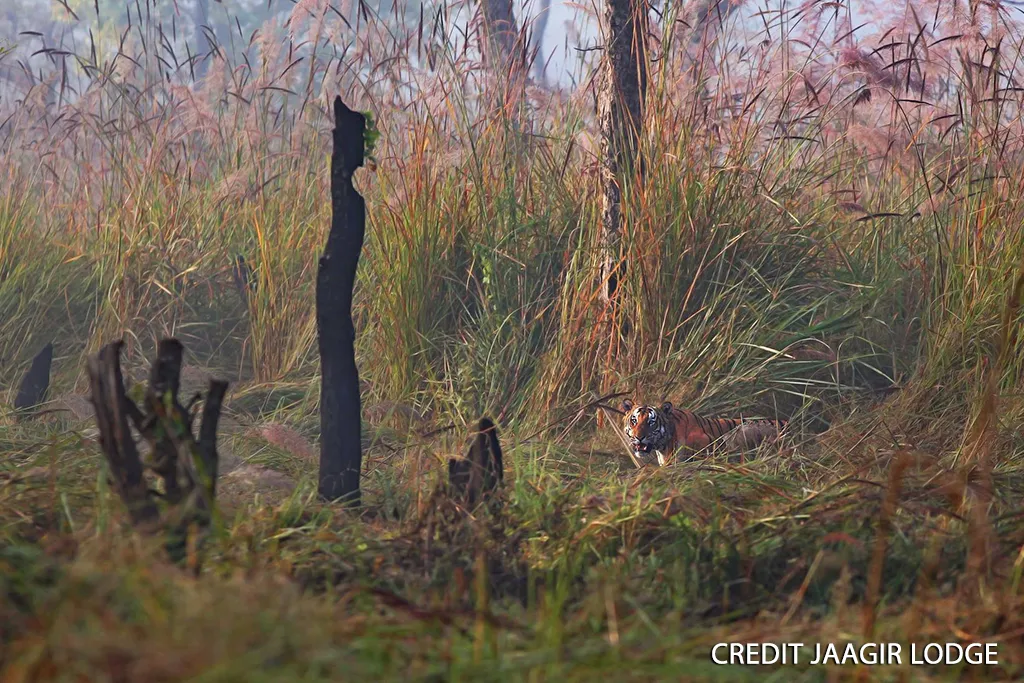
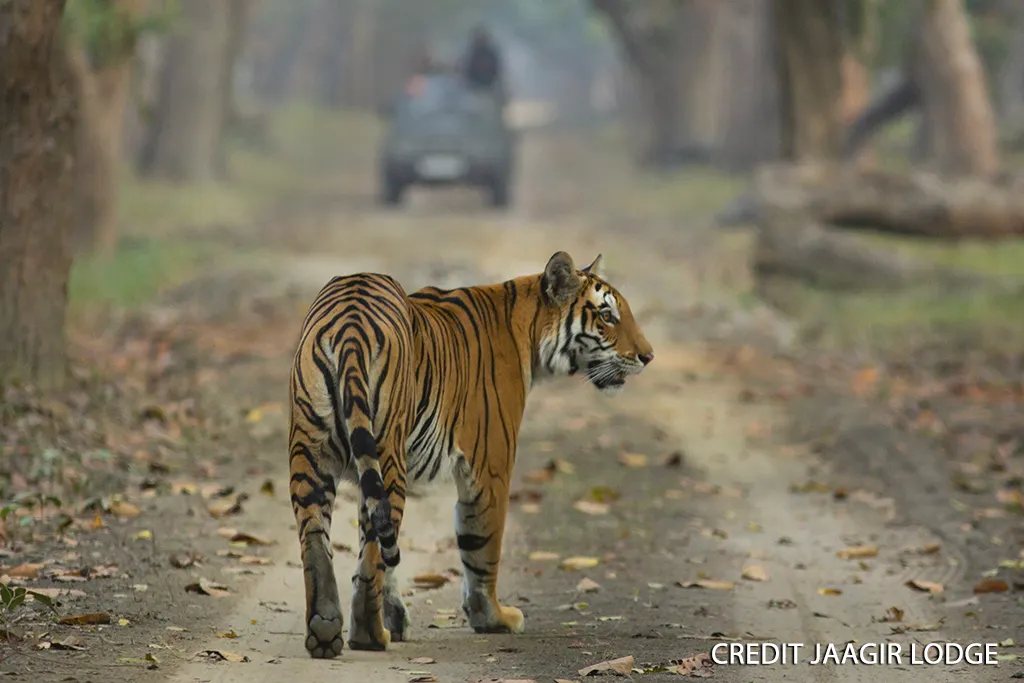
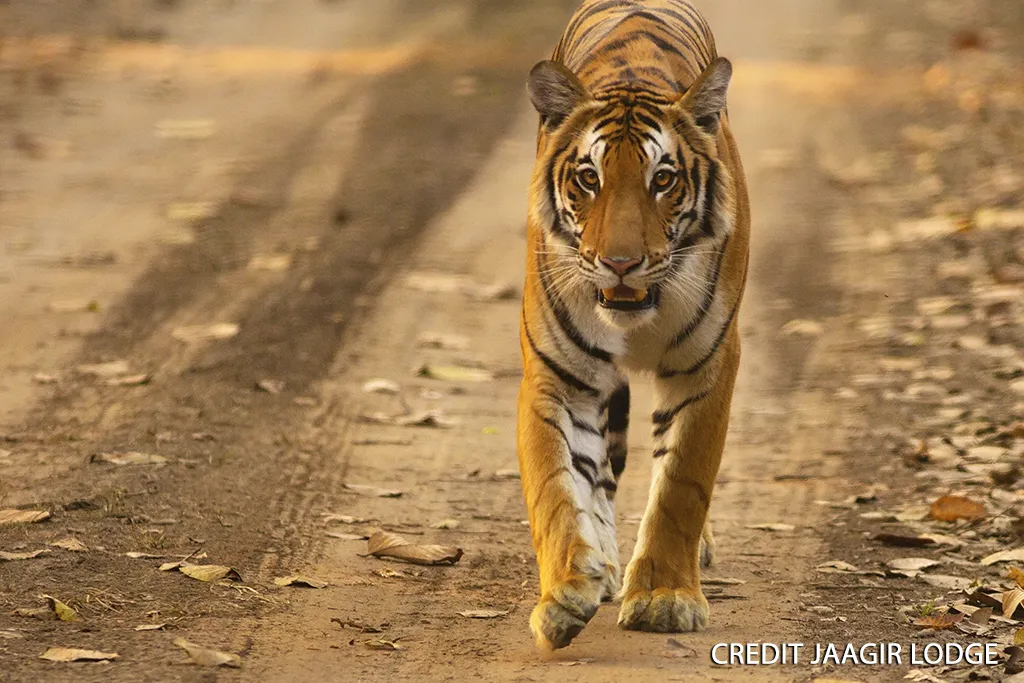
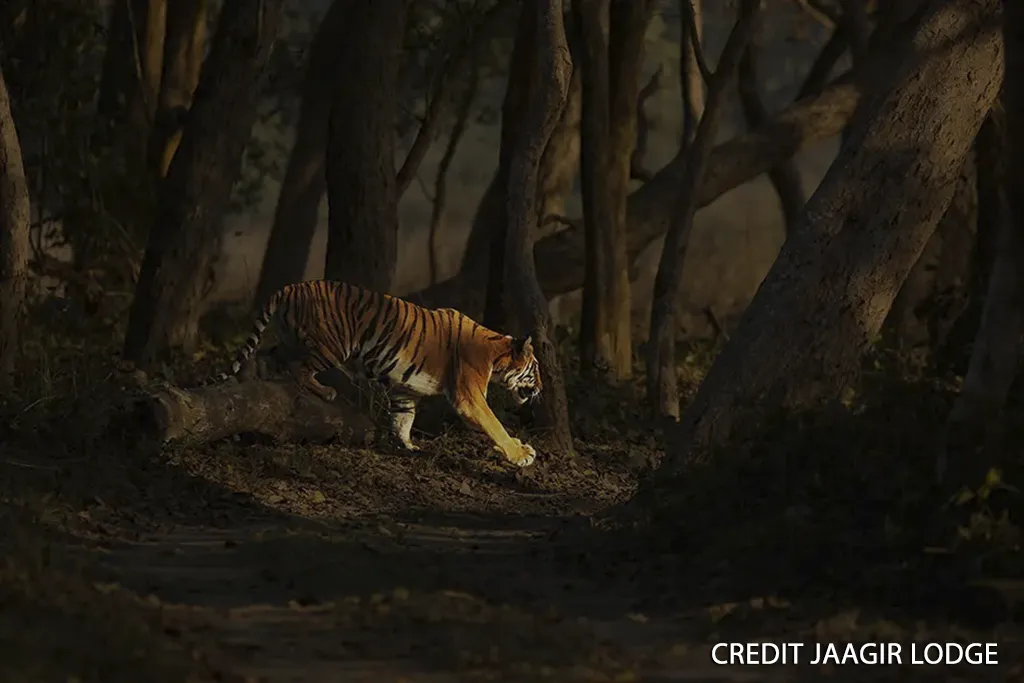
- Royal Bengal Tiger: The park’s main attraction, with a healthy population that offers good sighting opportunities. A tiger safari Dudhwa provides exciting chances to observe these magnificent predators in their natural habitat.
- Swamp Deer (Barasingha): Dudhwa is famous for hosting the largest population of the endangered swamp deer, particularly the hard-ground subspecies.
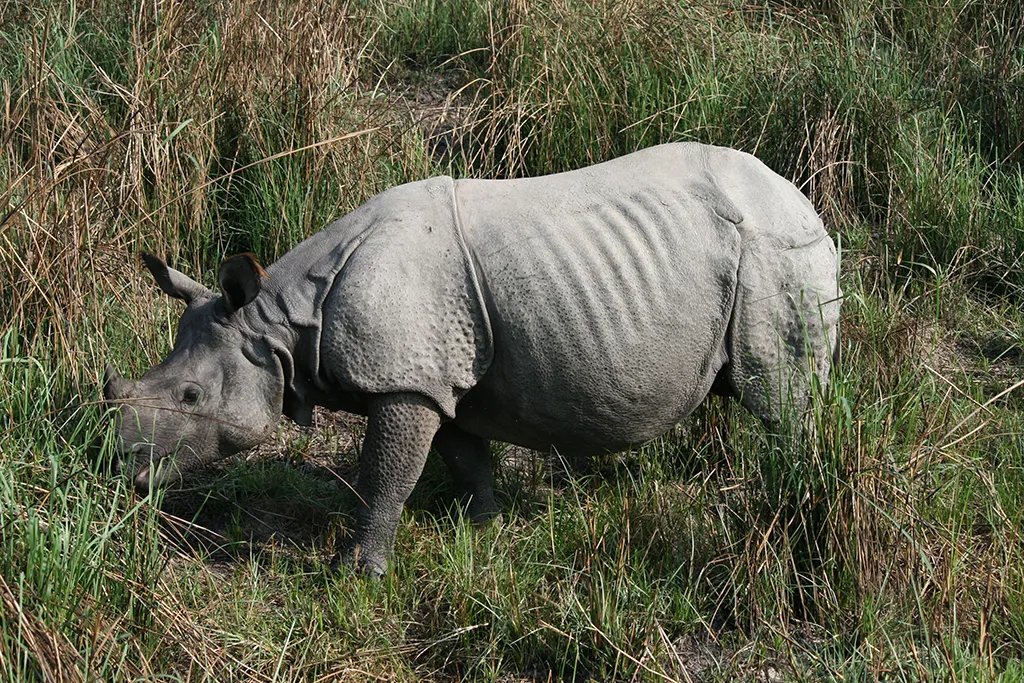
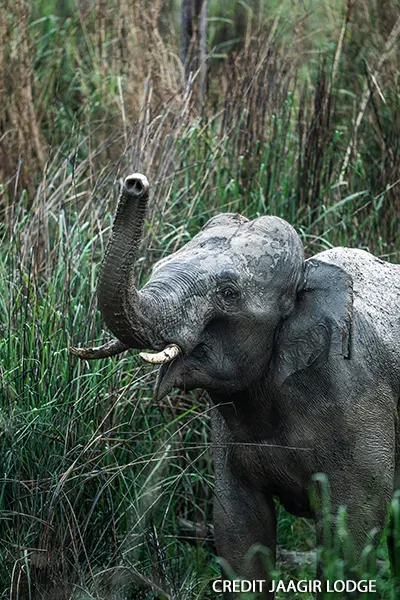
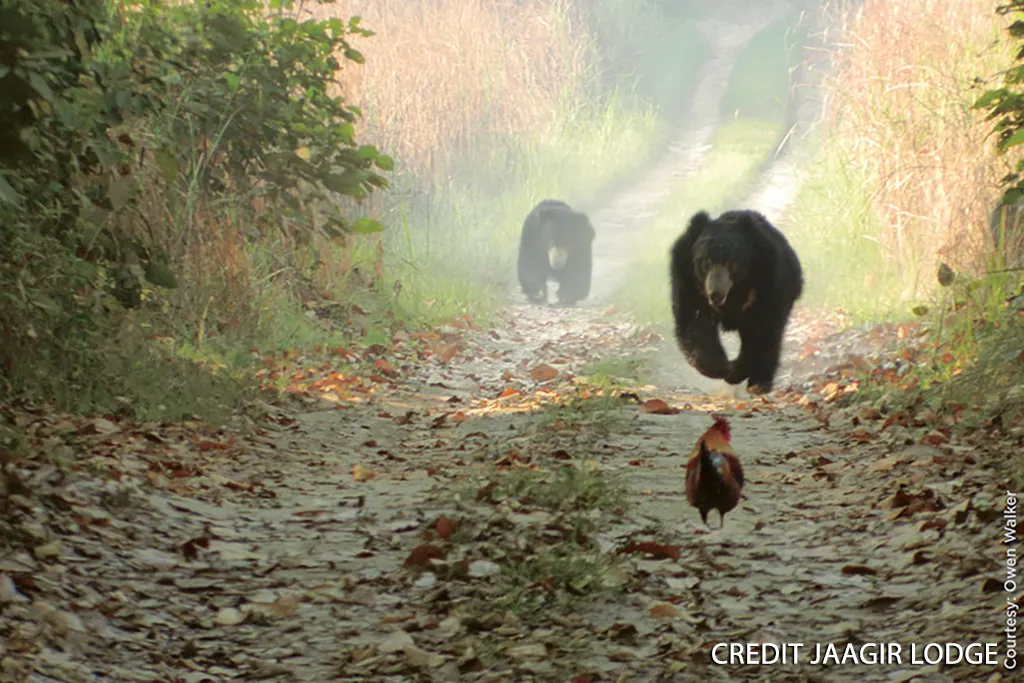
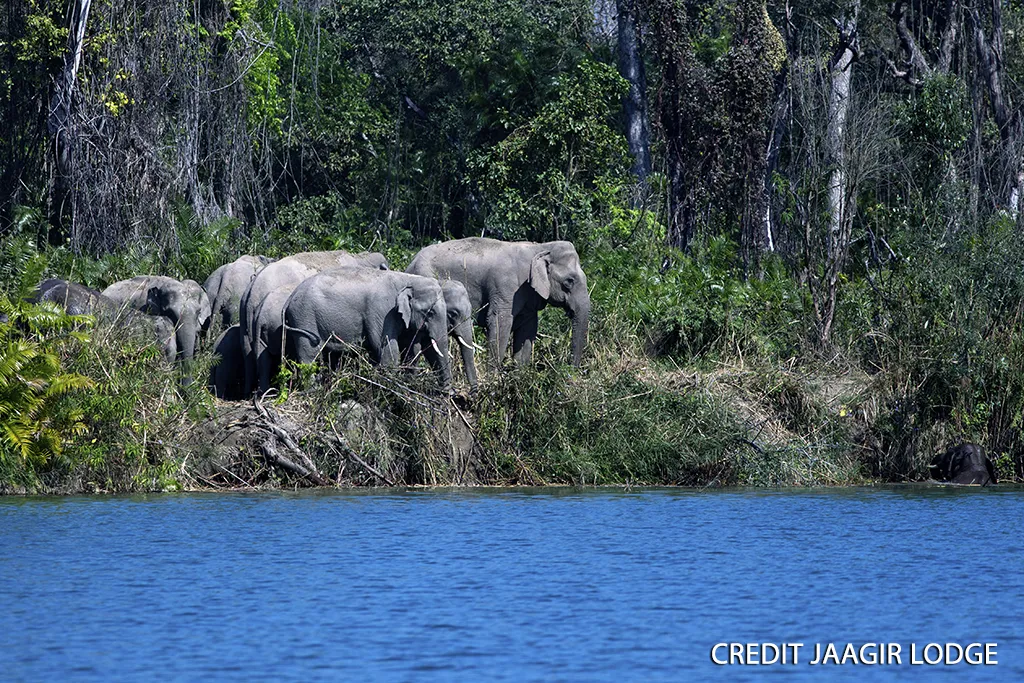
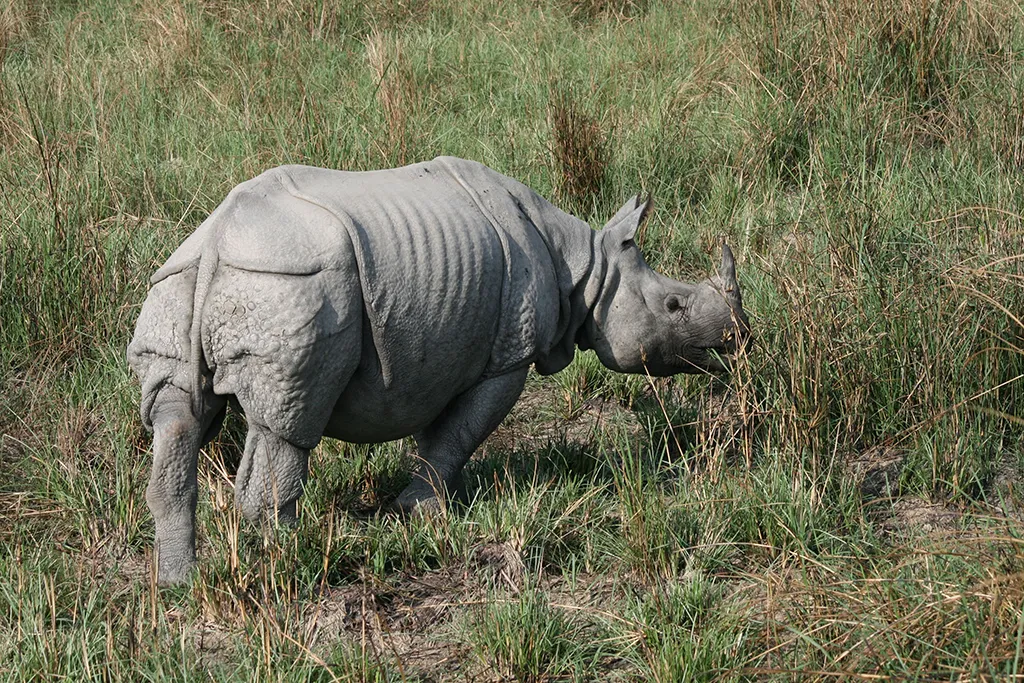
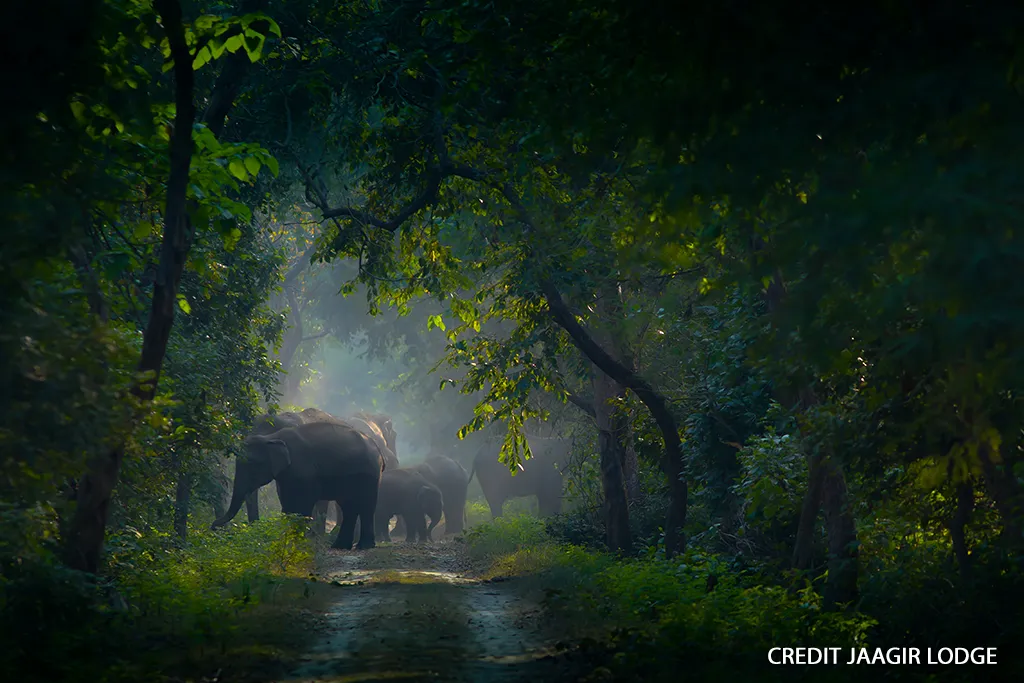
- Other Mammals: Includes Indian rhinoceros (reintroduced), leopard, sloth bear, wild elephant, and numerous deer species including spotted deer and hog deer.
- Rich Biodiversity: The park’s ecosystem supports numerous species including hispid hare, Bengal florican, and various reptile species.
2. Unique Safari Zones
Understanding the distinct Dudhwa safari zones enhances your wildlife experience:
- Core Zone: The main protected area offers the best wildlife photography in Dudhwa core zone with high animal density and diverse habitats.
- Kishanpur Sanctuary: Part of the tiger reserve, known for its wetlands and good birding opportunities.
- Katarniaghat Wildlife Sanctuary: Connected to Dudhwa, known for its aquatic biodiversity and gharial population.
- Buffer Zones: Surrounding areas that offer additional wildlife viewing opportunities and eco-tourism activities.
3. Birdwatching Haven
Birdwatching in Dudhwa National Park reveals exceptional avian diversity:
- Water Birds: Numerous species of ducks, geese, storks, and cranes inhabit the park’s wetlands.
- Grassland Birds: Includes the endangered Bengal florican, swamp francolin, and various grass warblers.
- Raptors: Crested serpent eagle, Pallas’s fish eagle, and various owl species.
- Winter Migrants: Thousands of migratory birds from Siberia and Europe winter in Dudhwa’s wetlands.
- Special Species: The park is home to several threatened species including the Bengal florican and great slaty woodpecker.
4. Eco-Tourism & Conservation
Dudhwa National Park eco-tourism Uttar Pradesh focuses on sustainable practices:
- Tharu Tribal Visits: Opportunities to learn about the unique culture of the Tharu people and their traditional conservation practices.
- Community Involvement: Local communities actively participate in conservation and tourism activities.
- Sustainable Tourism: Eco-friendly accommodations and practices that minimize environmental impact.
- Conservation Programs: Educational initiatives about tiger conservation, swamp deer protection, and habitat restoration.
5. Stunning Landscapes
The unique scenery of Dudhwa National Park enhances the visitor experience:
- Vast Grasslands: The extensive salukhra grasslands are the park’s defining feature and primary habitat for swamp deer.
- Dense Forests: Moist deciduous forests with sal, asna, and jamun trees providing diverse habitats.
- Wetlands and Marshes: Numerous water bodies and swampy areas support rich aquatic biodiversity.
- River Ecosystems: The Suheli and Mohana rivers form the park’s boundaries and create vital wildlife corridors.
- Tea Gardens: The surrounding areas feature beautiful tea estates that add to the region’s scenic beauty.