

Bandhavgarh National Park
Madhya Pradesh
Nestled in the heart of Madhya Pradesh, India, Bandhavgarh National Park is a jewel of biodiversity and a premier destination for wildlife enthusiasts. Renowned for its high density of Royal Bengal Tigers, this park spans over 1,500 square kilometers in the Vindhyachal Ranges, offering a stunning blend of dense sal forests, rolling grasslands, and ancient historical sites. Home to over 60 tigers, diverse mammals like leopards and sloth bears, and more than 250 bird species, Bandhavgarh promises thrilling safaris and unparalleled birdwatching. The iconic Bandhavgarh Fort, perched atop a hill, adds a layer of historical intrigue, making it a perfect retreat for nature lovers and history buffs alike. Whether you’re chasing tiger sightings or exploring scenic landscapes, Bandhavgarh National Park delivers an unforgettable adventure.
Ideal Time to Visit Bandhavgarh
Choosing the best time to visit Bandhavgarh depends on what you want to experience:
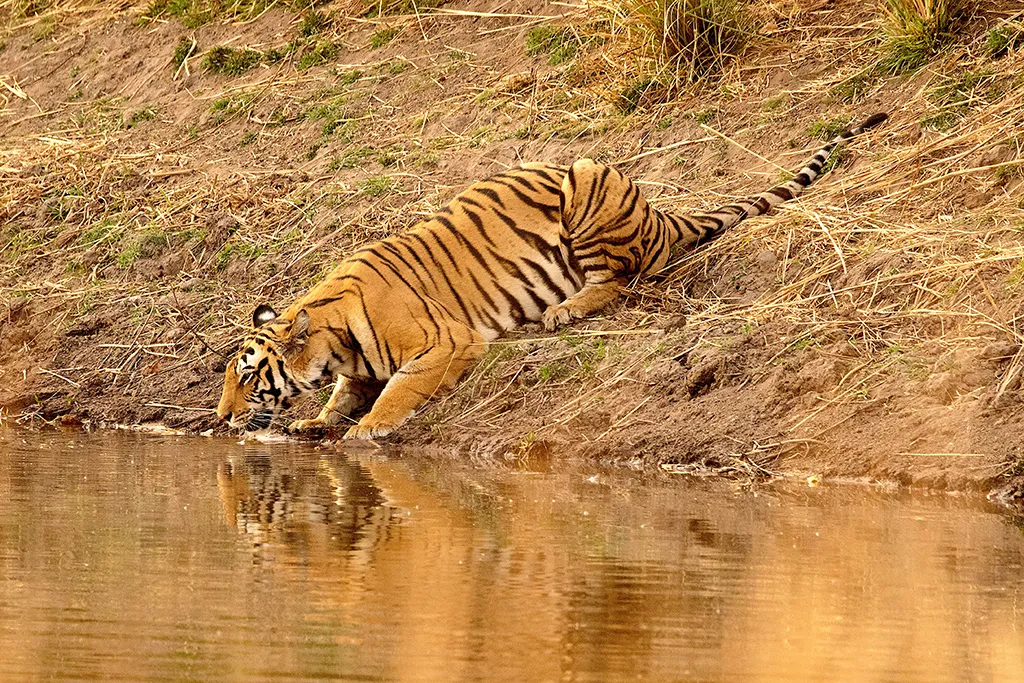
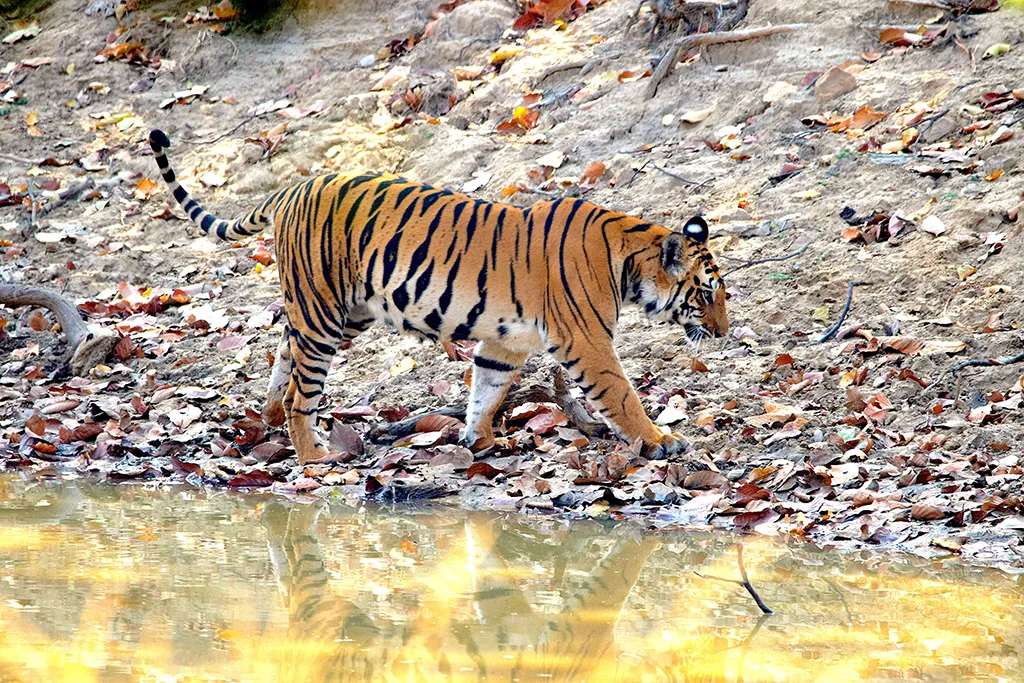
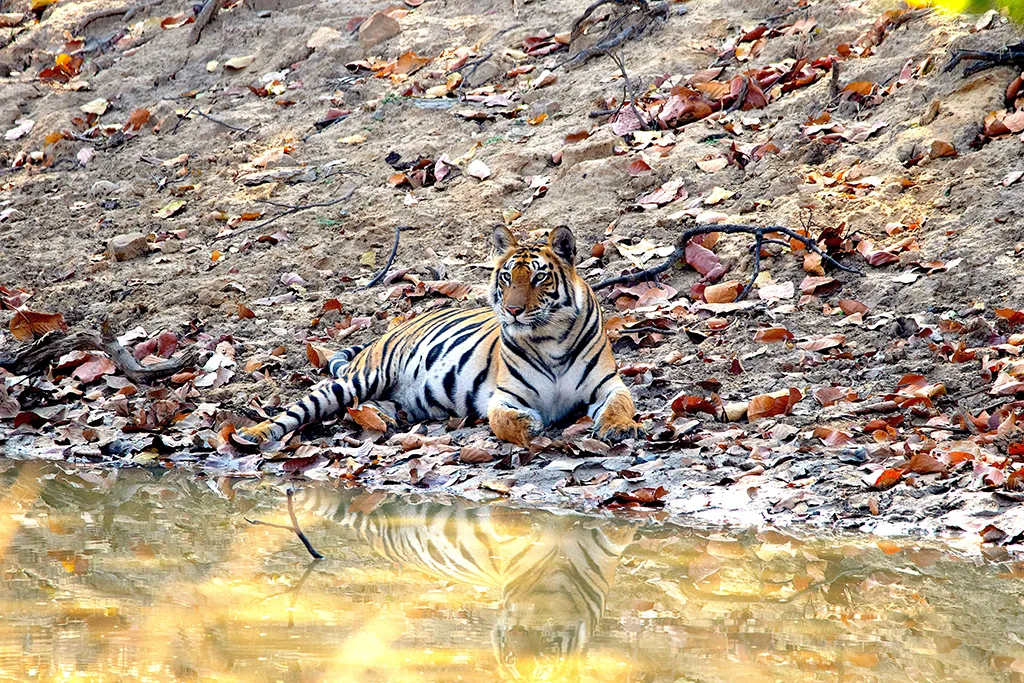
- For Optimal Tiger Sightings (March to June): The summer months are the hottest but offer the best chance to see tigers. As water sources dry up, wildlife is forced to congregate at remaining waterholes, and the thinning vegetation makes animals easier to spot.
- For Pleasant Weather and Birding (October to February): The winter season is ideal for comfortable safari experiences. The weather is cool and pleasant, making it the perfect time for Bandhavgarh birdwatching, as migratory birds join the park’s resident species.
- Monsoon Closure (July to September): The park remains closed during the monsoon season to allow the forest to rejuvenate.
Activities and Experiences
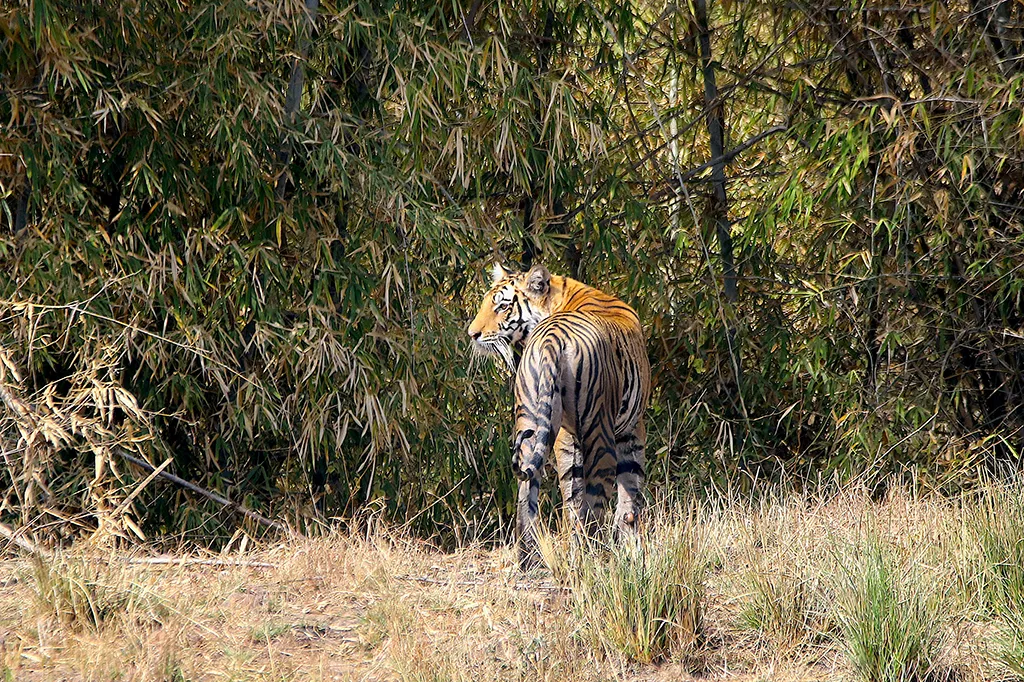
- Wildlife Safaris: Jeep safaris are the primary way to explore the core Bandhavgarh safari zones (Tala, Magadhi, Khitauli). These thrilling excursions offer the best opportunity for a tiger safari Bandhavgarh and to see the park’s diverse wildlife in their natural habitat.
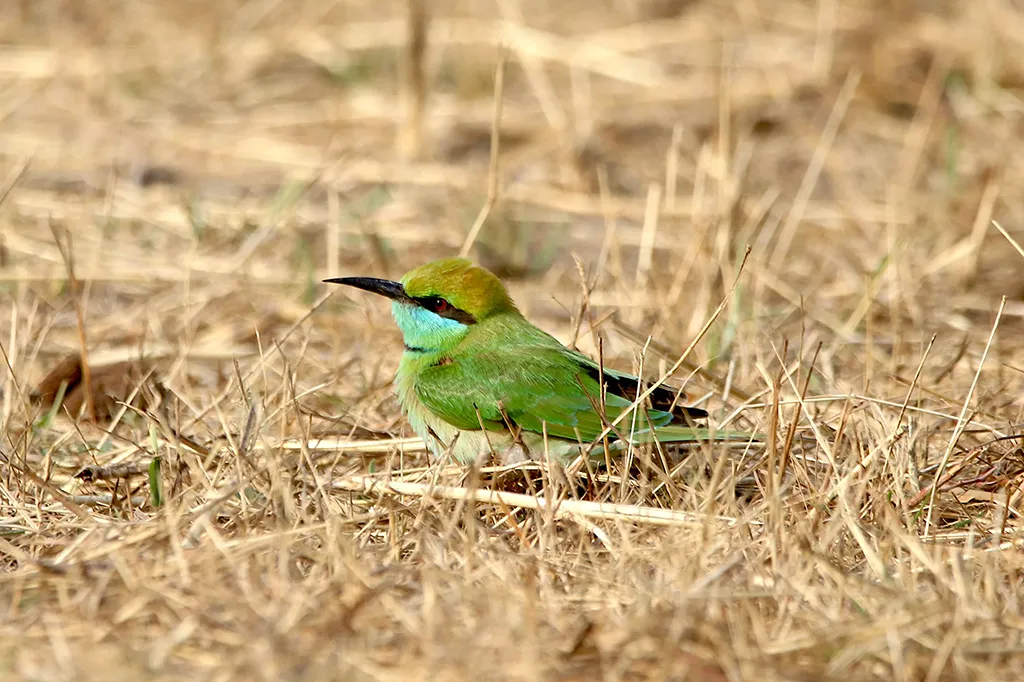
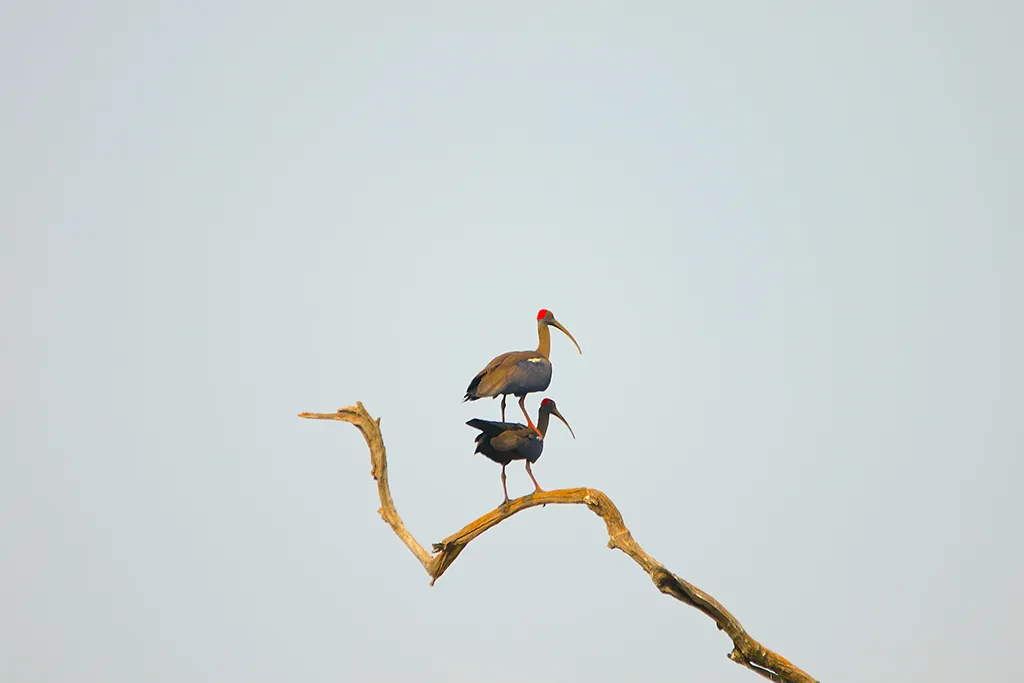
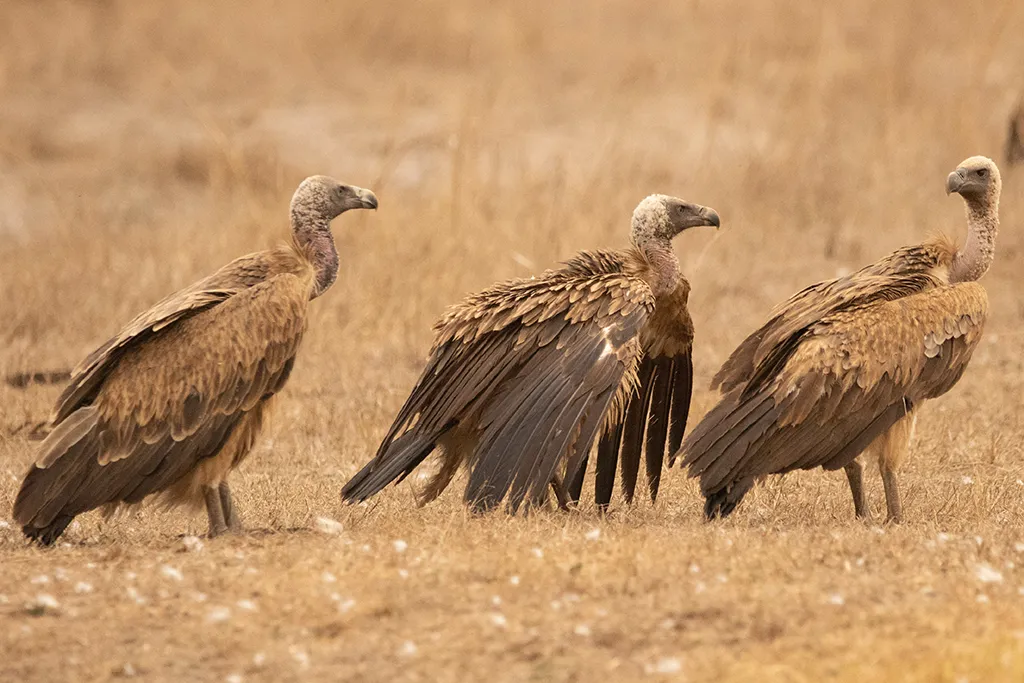
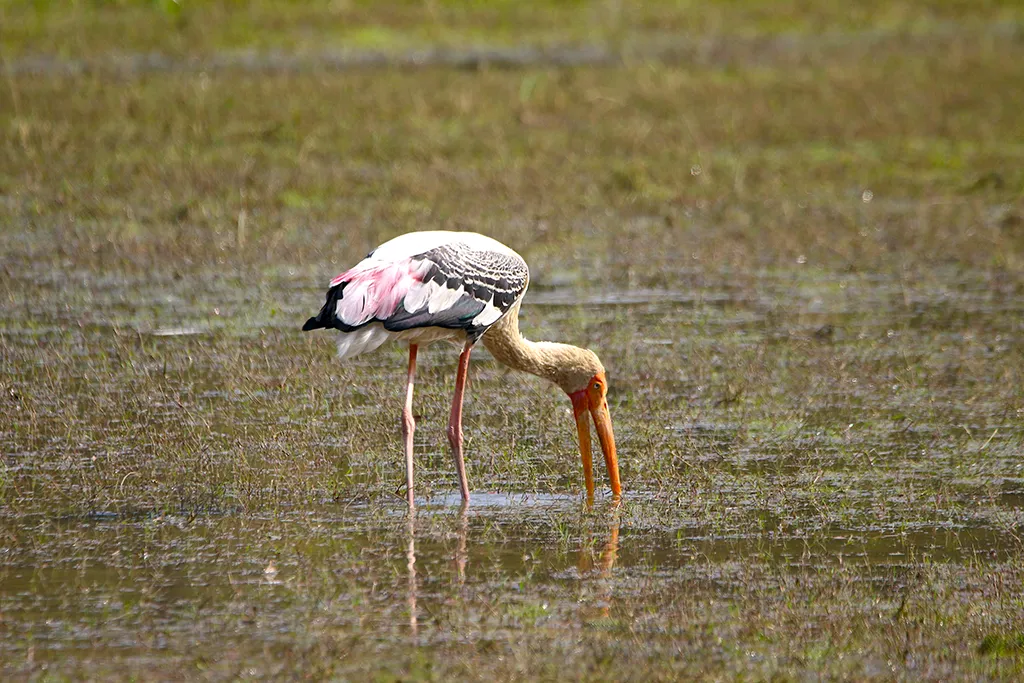
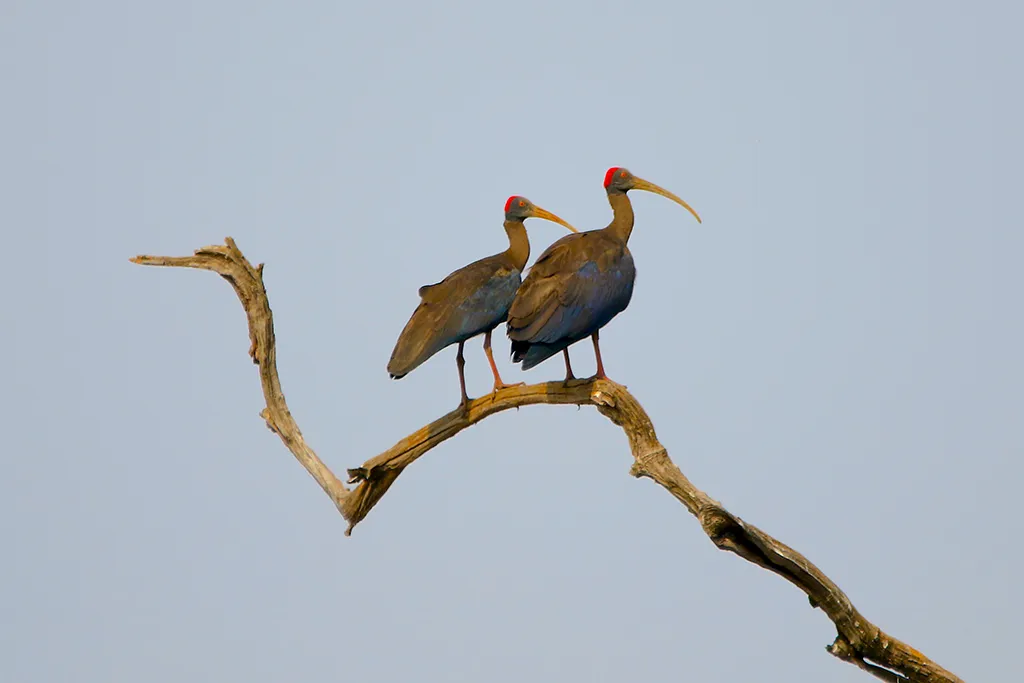
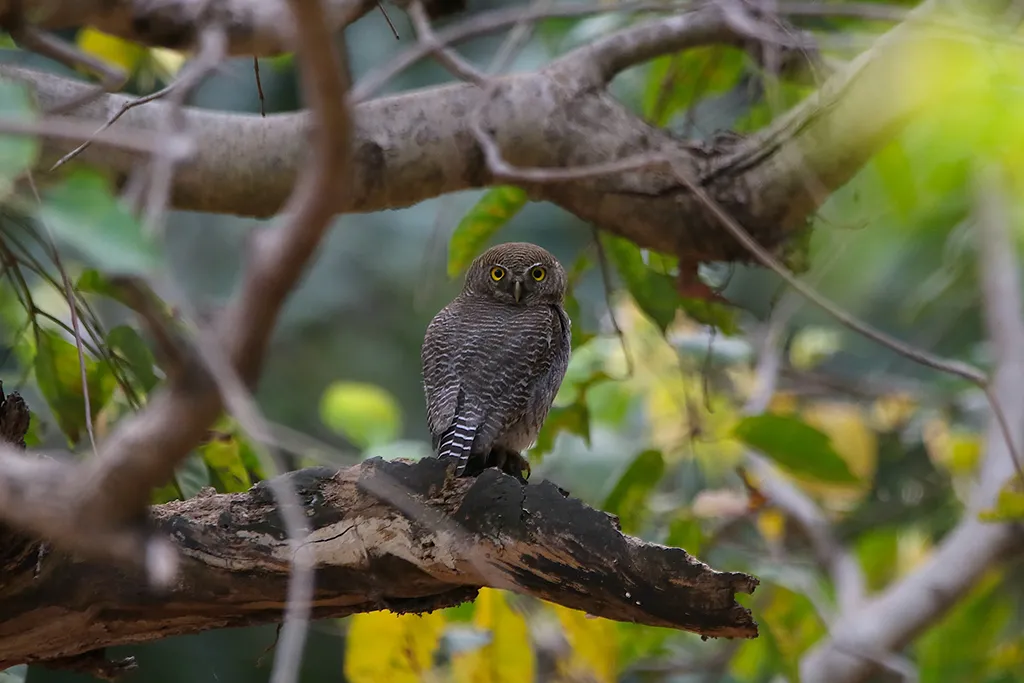
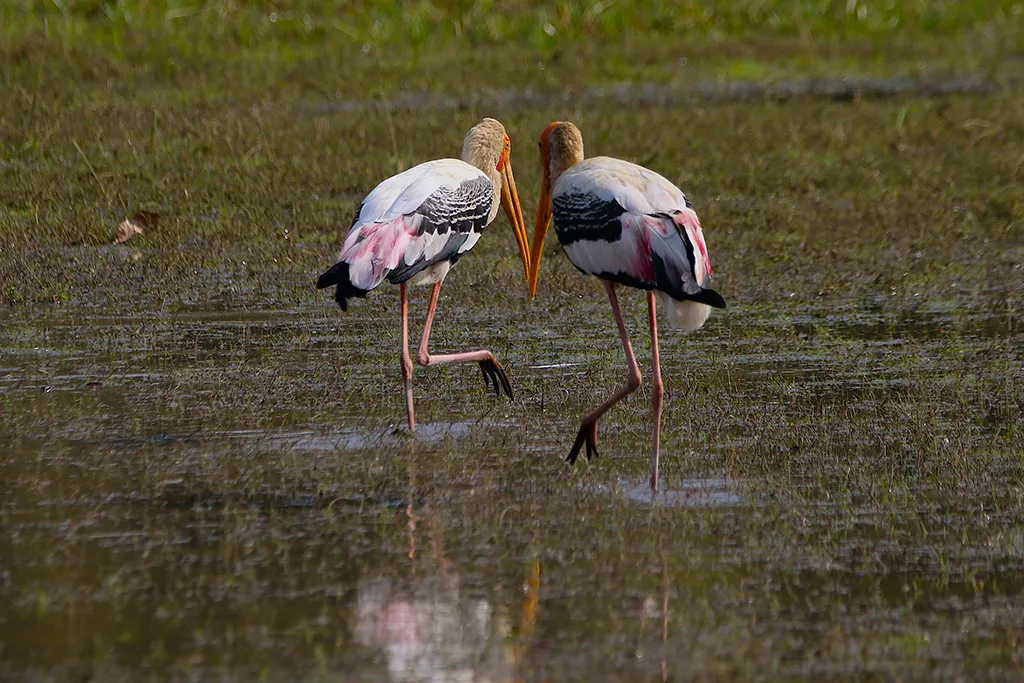
- Bird Watching: The park is a haven for Bandhavgarh birdwatching, with over 250 species. Enthusiasts can spot birds like the crested serpent eagle, Indian pitta, white-naped woodpecker, and the stunning Indian paradise flycatcher, especially in the varied habitats of the Khitauli zone.
- Nature Photography: The park’s stunning landscapes—from dense sal forests and open grasslands to ancient ruins and rocky cliffs—provide a perfect backdrop for wildlife photography. The Tala zone is particularly famous for wildlife photography in Bandhavgarh Tala Zone, offering iconic frames of tigers and other fauna.
- Eco-Tourism & Historical Tours: Stay in eco-friendly lodges and resorts around the park’s buffer area for an immersive experience. A key unique activity is the Bandhavgarh Fort historical tour, a guided walk to explore the ancient fort, caves, and the magnificent Shesh Shaiya statue, blending nature with profound history.
Tours Name
• Tigers of Corbett, Kanha, and Bandhavgarh
• Highlights of Kumaon & Dudhwa
Bandhavgarh National Park: A Visitor’s Guide
Bandhavgarh National Park is celebrated for its incredibly high density of Royal Bengal Tigers and its rich blend of wildlife, history, and stunning landscapes.
1. Diverse Wildlife & Tiger Safaris
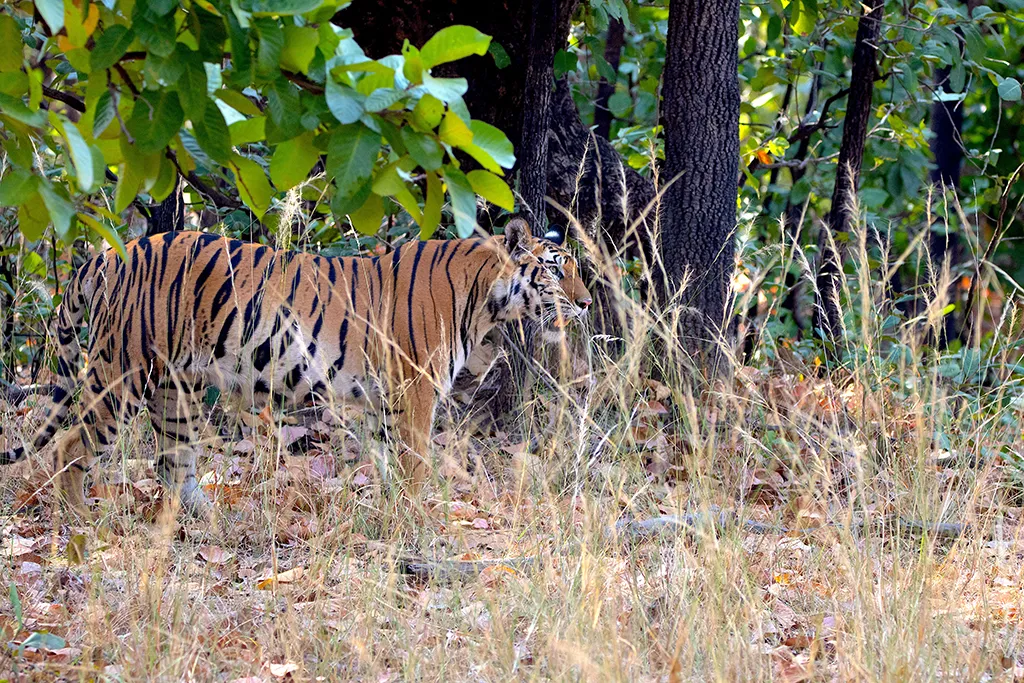
Bandhavgarh National Park is a biodiversity hotspot, offering one of India’s best chances to witness the Royal Bengal Tiger in its natural habitat.
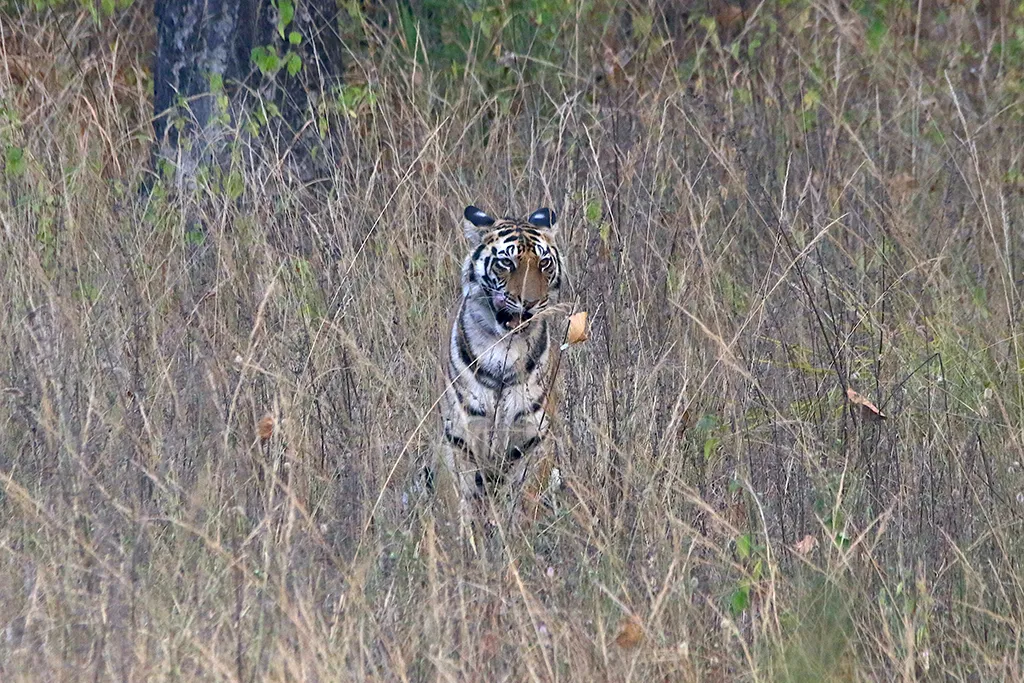
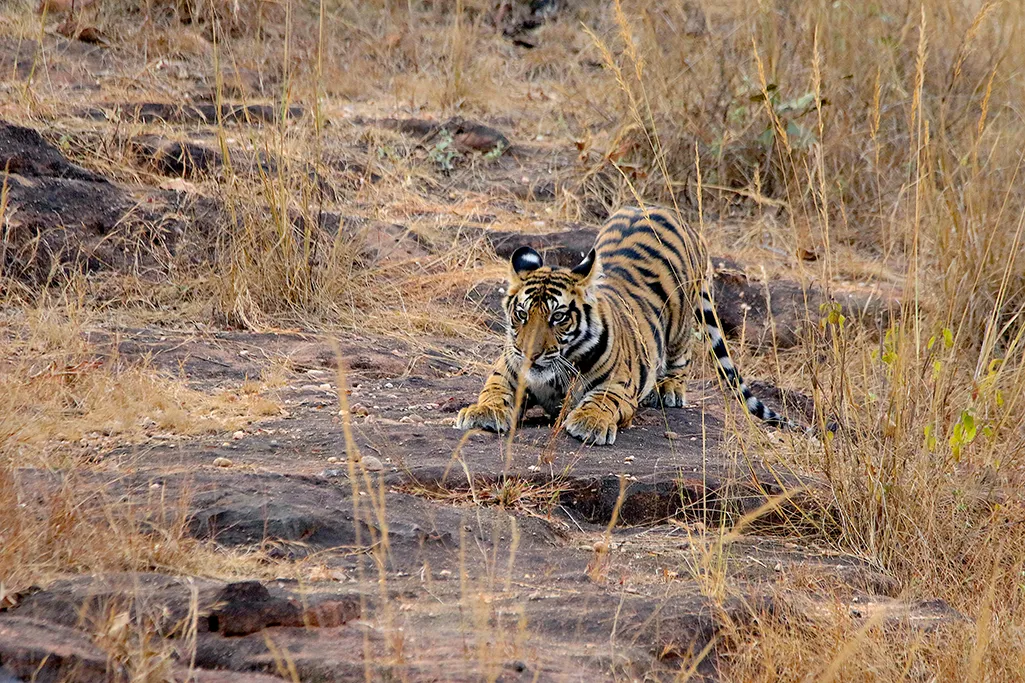
- Royal Bengal Tiger: The park’s main attraction, boasting one of the highest tiger densities in the world. Tiger safari Bandhavgarh experiences are renowned for frequent and dramatic sightings.
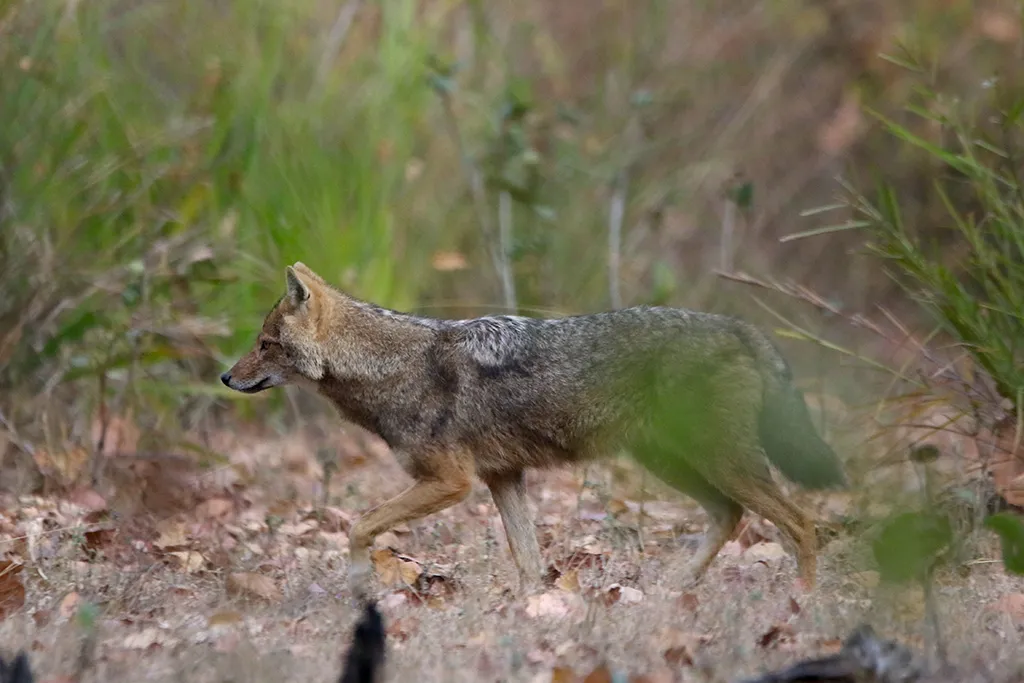
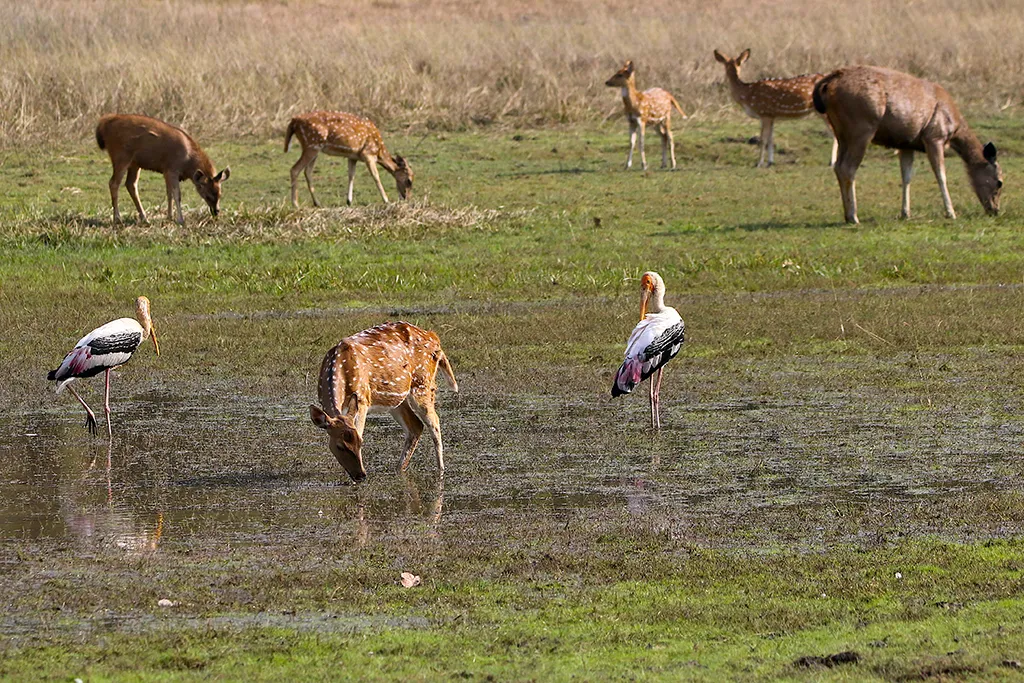
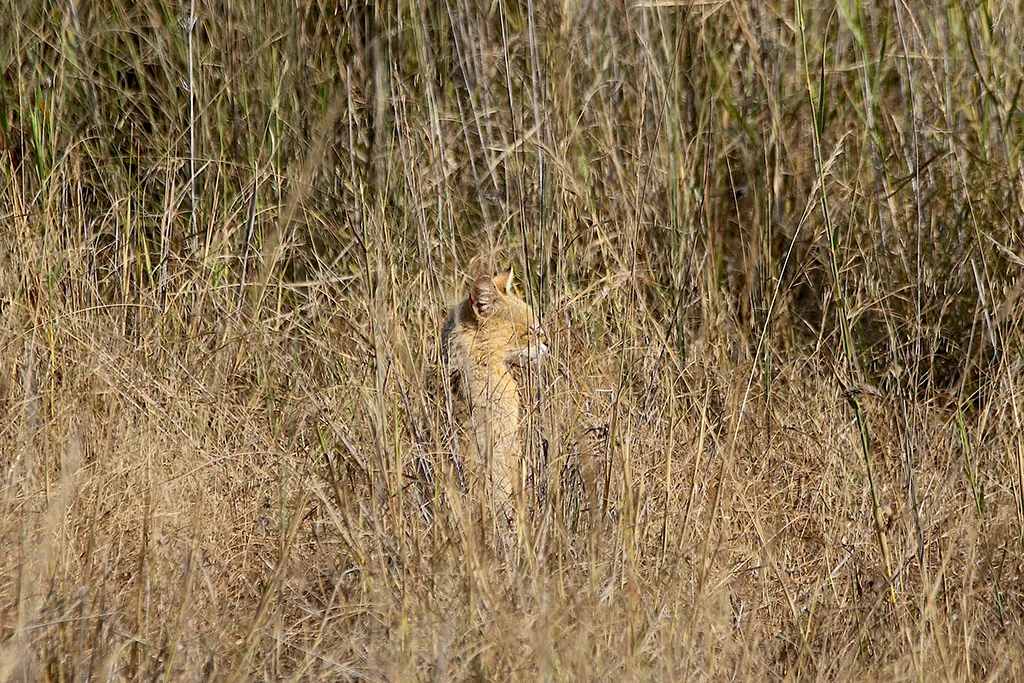
- Other Mammals: Over 35 species, including leopards, wild dogs (Dhole), sloth bears, the Indian Gaur (Bison), sambar deer, chital (spotted deer), and the rare four-horned antelope (Chousingha).
- Reptiles: A healthy population of marsh crocodiles (muggers) can be seen in the park’s water bodies, along with pythons, cobras, and monitor lizards.
2. Unique Safari Zones
Bandhavgarh’s distinct Bandhavgarh safari zones offer varied terrain and unique wildlife experiences.
- Tala Zone: The most popular and scenic zone, known for its steep cliffs, dense forests, and the historic Bandhavgarh Fort. It offers the best tiger safari in Bandhavgarh National Park with a high probability of sightings.
- Magadhi Zone: Known as the “action zone,” it features open grasslands (maidans) that are prime territory for dominant tigers, making it excellent for wildlife viewing.
- Khitauli Zone: A quieter zone with a mix of grasslands and woodlands, rich in birdlife and ideal for spotting smaller mammals and a different set of tiger families.
3. Birdwatching Haven
With over 250 species of birds, the park is a fantastic destination for Bandhavgarh birdwatching.
- Raptors: Crested Serpent Eagle, Changeable Hawk-Eagle, and a variety of owls.
- Forest Birds: The park is home to the stunning Indian Paradise Flycatcher, various parakeets, barbets, and woodpeckers.
- Water Birds: Kingfishers, egrets, and herons can be spotted around the park’s many streams and waterholes. Birdwatching in Bandhavgarh Khitauli Zone is particularly rewarding due to its diverse habitats.
4. Historical & Architectural Highlights
Bandhavgarh seamlessly weaves a rich historical tapestry into the wild jungle experience.
Bandhavgarh Fort: Perched atop a 811-meter cliff, the ancient fort offers panoramic views and is the site of a Bandhavgarh Fort historical tour, exploring caves and ruins dating back 2,000 years.
- Shesh Shaiya: A magnificent 10th-century rock carving of Lord Vishnu reclining on the seven-hooded serpent Sheshnag, located within the Tala zone.
- Ancient Caves: Scattered throughout the park are numerous man-made caves bearing Brahmi inscriptions from the 1st century BC.
5. Stunning Landscapes
The park’s breathtaking and varied topography is a key part of its charm.
- Grasslands (Maidans): Expansive meadows like those in Magadhi provide critical grazing grounds for prey and open sightlines for visitors.
- Sal Forests & Bamboo: Dense stands of sal trees and bamboo groves create a classic central Indian forest landscape.
- Rocky Escarpments: The park is defined by its steep ridges and cliffs, offering dramatic vistas, especially from the fort.
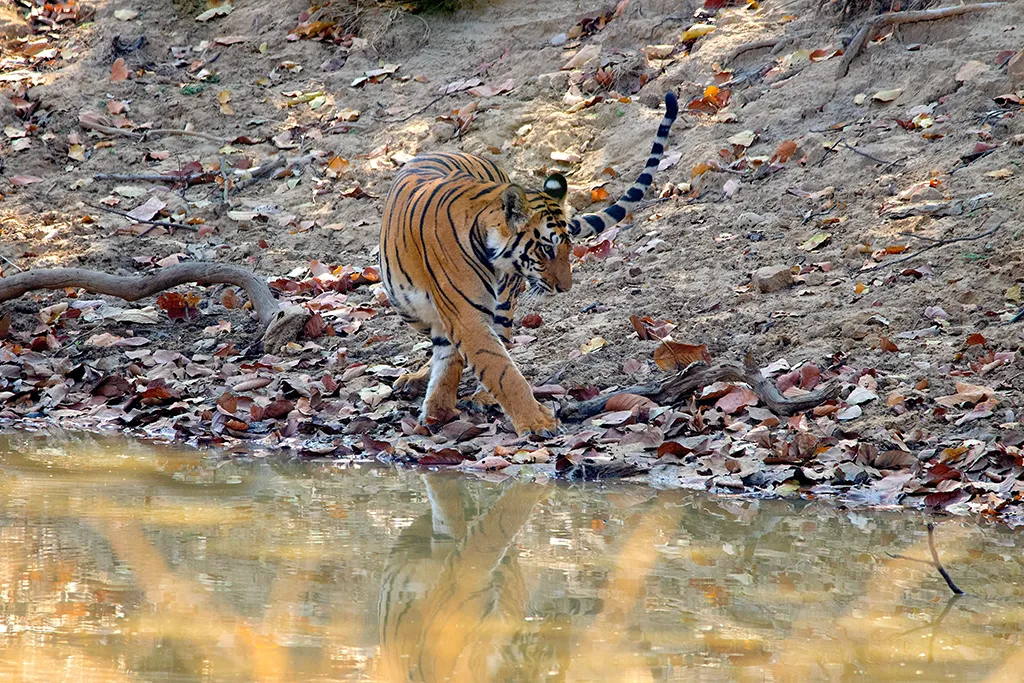
- Waterholes (Sobhes): Natural perennial springs and streams attract concentrated wildlife, especially during the dry summer months, creating perfect scenes for wildlife photography in Bandhavgarh Tala Zone.