Day 1 – Arrive in Delhi
On arrival at Delhi Airport, you will be met by Mysteries of India representative and chauffeur who will escort you to the hotel. The representative will hand over and explain all travel-related documents to you. Overnight at hotel in Delhi.
Day 2 – Delhi
Checkout from the hotel after breakfast. Today you start your day with sightseeing of Old and New Delhi. Visit Humayun’s Tomb, Qutab Minar, Red Fort, Jama Masjid (Mosque), Chandni Chowk (Moonlight Square) and its nearby markets, India Gate, and drive past the Presidents Palace and Parliament. Overnight at hotel in Delhi.
Day 3 – Delhi – Corbett National Park
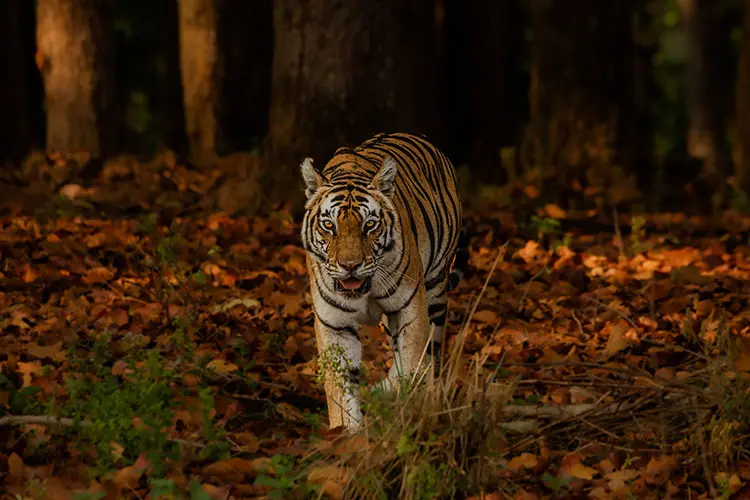
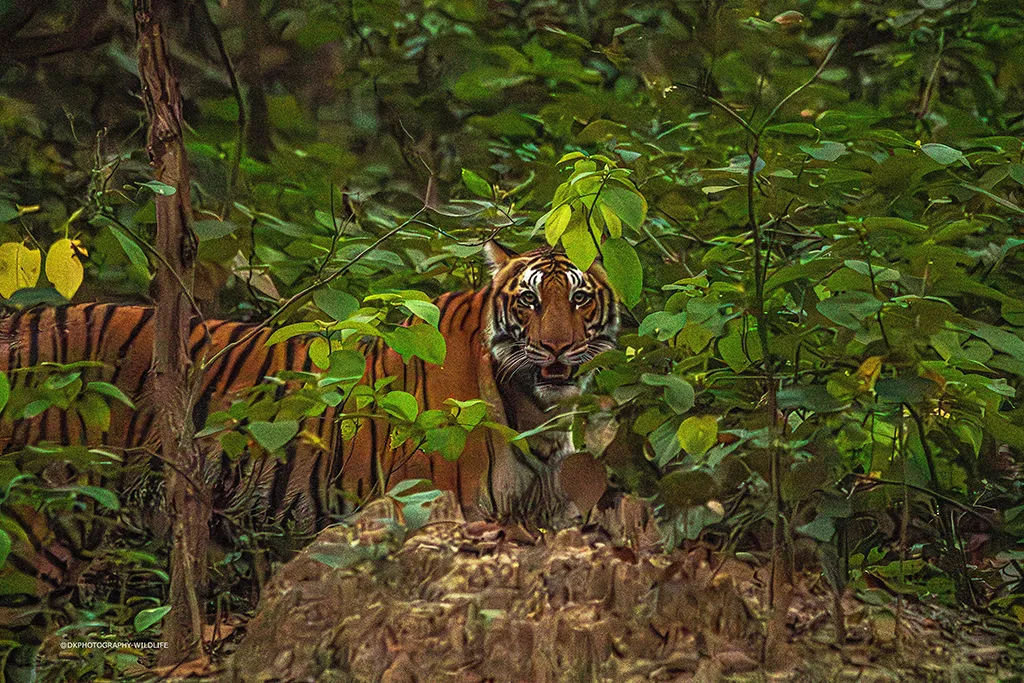
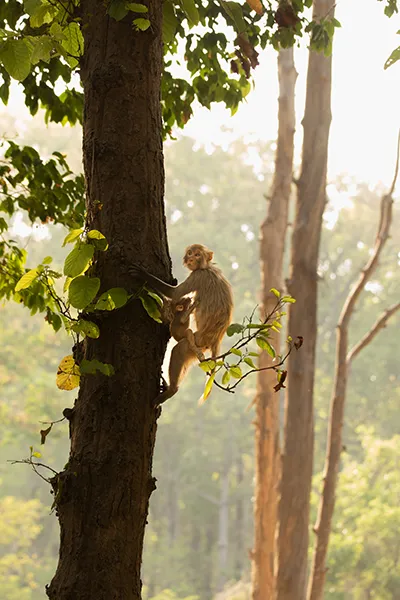
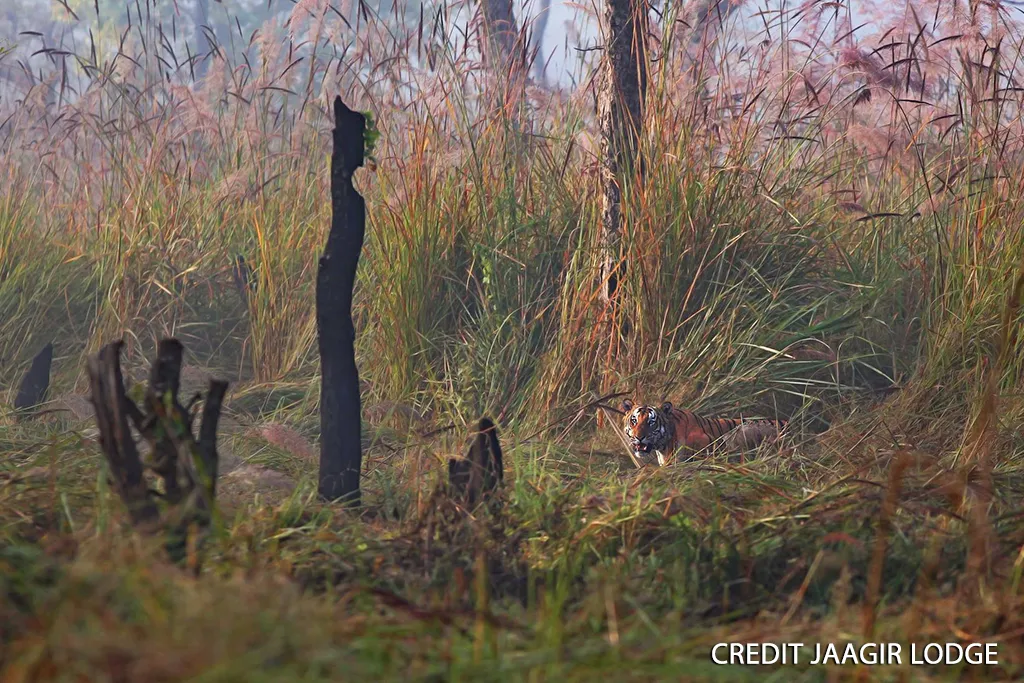
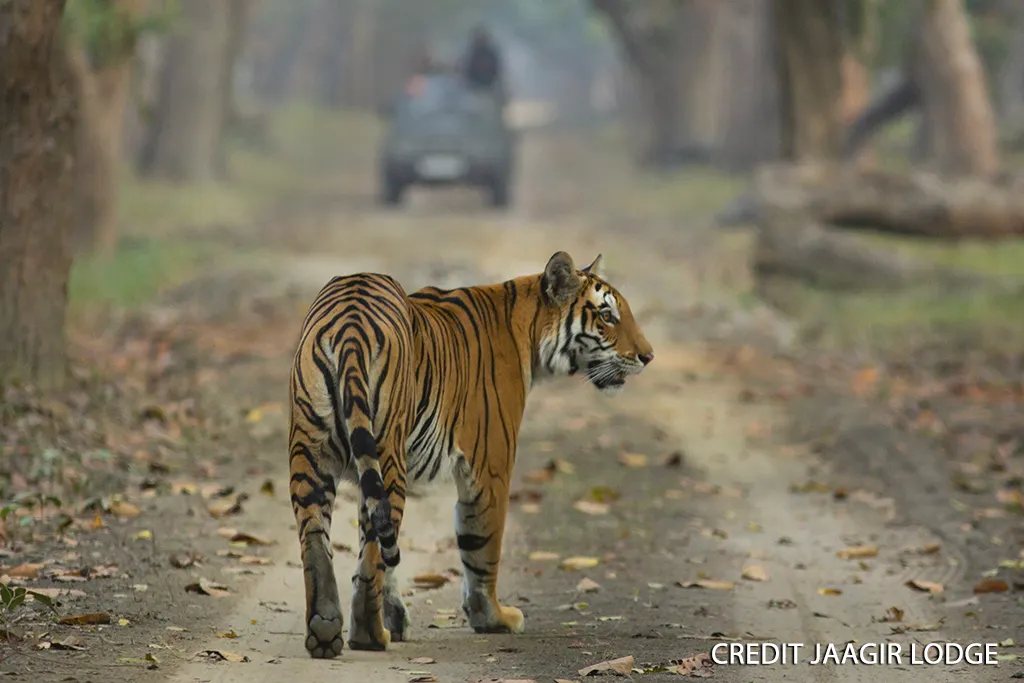
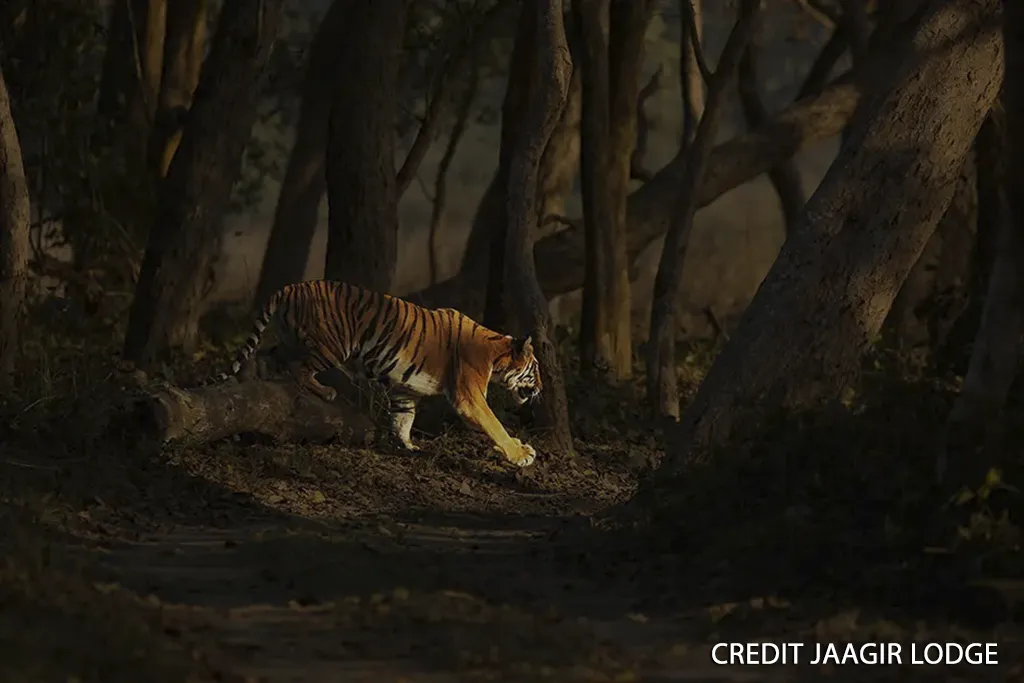
Checkout from the hotel after breakfast. Drive to Jim Corbett National Park (approximately 6-7 hours, 275 km). Corbett – Named after Jim Corbett, the legendary hunter naturalist, the Park was originally established in 1936 as Hailey National Park. It was later named Ramganga National Park before getting its present name in 1967. This is India’s first National Park and one of her finest wildlife sanctuaries, stretching over an area of 1300 sq. km in the Himalayan foothills with open grasslands, sal, and riverine forest, and the beautiful life-giving Ramganga River that flows through almost its entire length. Over 50 mammal, 580 bird, and 25 reptile species have been listed in Corbett, but it is most famous for the Royal Bengal Tiger. The very successful Project Tiger of the World Wide Fund for Nature was first launched in this park. Rest of the day at leisure. Dinner and overnight at the lodge.
Day 4 – 5 – Corbett National Park
Explore the park with morning and evening game drives. In between safaris, enjoy the resort’s facilities such as swimming pool and spa. All meals and overnight at the lodge.
Day 6 – Corbett – Nainital
Checkout from the lodge after breakfast. Drive to Nainital (approximately 2-3 hours, 70 km). At an elevation of roughly 2,000m, formerly a British hill station, Nainital is a glittering jewel in the Himalayan necklace, blessed with scenic natural splendor and varied natural resources. Dotted with lakes and forests around that makes it a perfect abode for birds and other wildlife in the region. Here you will stay at a charming heritage home called Abbotsford. Abbotsford Prasada Bhawan, a little nook in the woods that time left unmolested. Even for 145 years. While the rest of the town has marched on and bowed to the dictates of commerce, burgeoning populations, and livelihoods, this proud little estate still stands as a sentinel of a bygone era, a relic of simpler, pristine times. Rest of the day at leisure or walk around the area or bird spotting around home as Abbotsford is home for about 20 species of birds. Dinner and overnight at the hotel.
Day 7 – Nainital
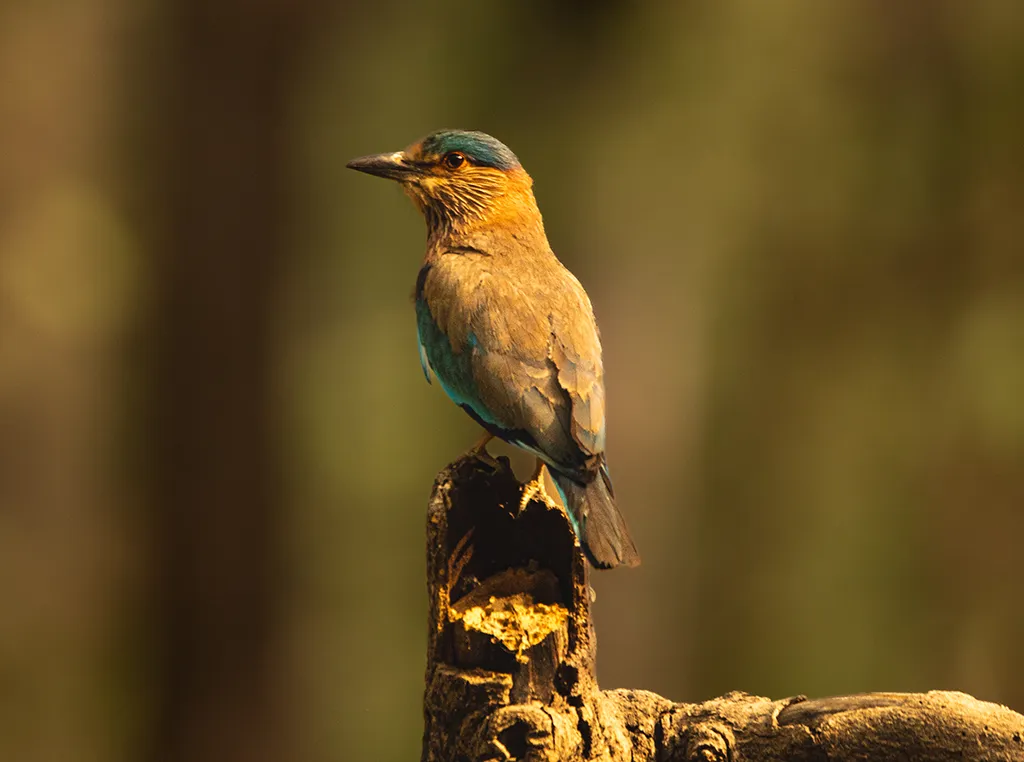
Morning birding walk from Abbotsford via Cheena Chungi to Pangot – 4-5 hours. Follow the ancient uphill stone road above Abbotsford to Cheena Chungi, make your way into thick deodar forests, and enjoy the topography, smell, and sounds of the Kumaon forests. This is a birding paradise with more than 200 species of birds coming your way, so keep those binoculars ready. Along the way, our naturalist and birding guide will answer all your queries and tell you about the rare bits that the forest has to offer. Reach Pangot/Kilbury for lunch – view the Himalayan ranges and return to Abbotsford by car. Rest of the day at leisure. Dinner and overnight at the hotel.
Day 8 – Nainital
Morning proceed for Abbotsford Heritage Walk. Duration: Half a day ending with lunch. Discovered in 1841 by a British officer who was a keen trekker, Nainital is replete with its hidden gems that herald back to the time of yore. Explore the history of Nainital with Abbotsford. A heritage walk that gives you glimpses of the colonial Nainital, its architecture, local markets, and popular restaurants. Rest of the day at leisure. Dinner and overnight at the hotel.
Day 9 – Nainital – Dudhwa National Park
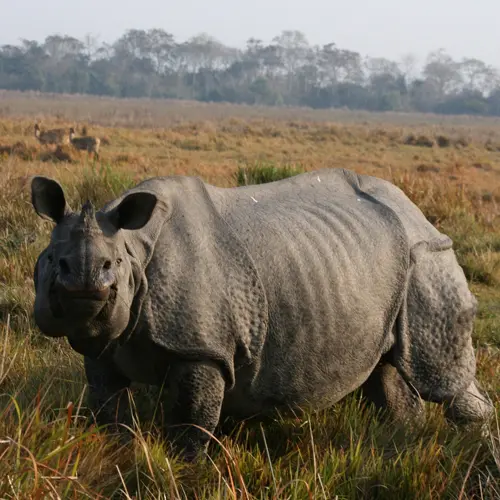
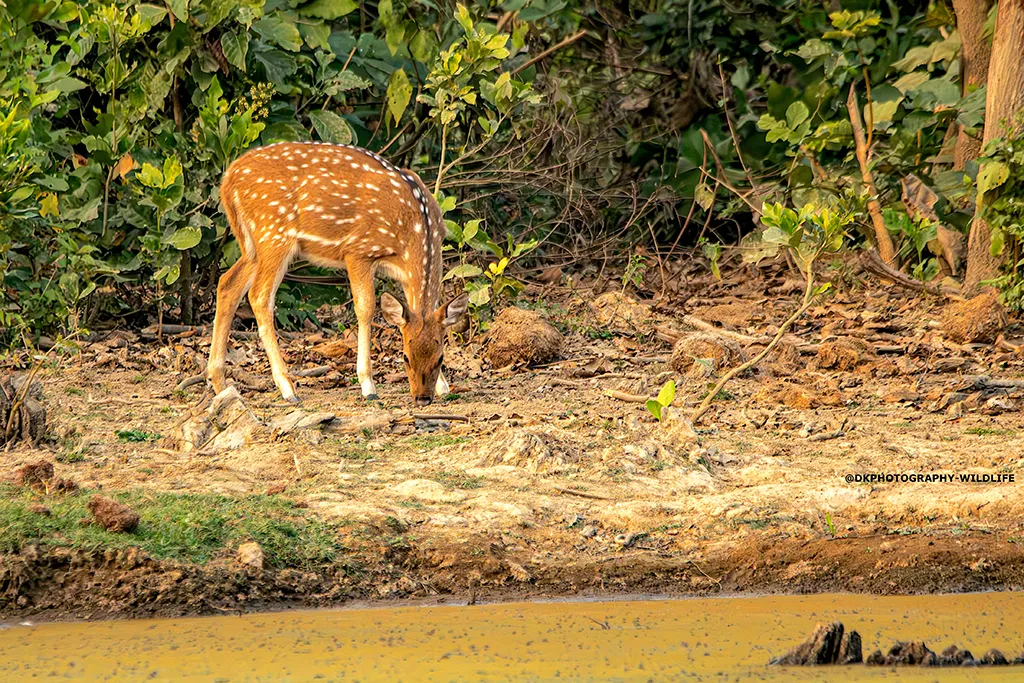
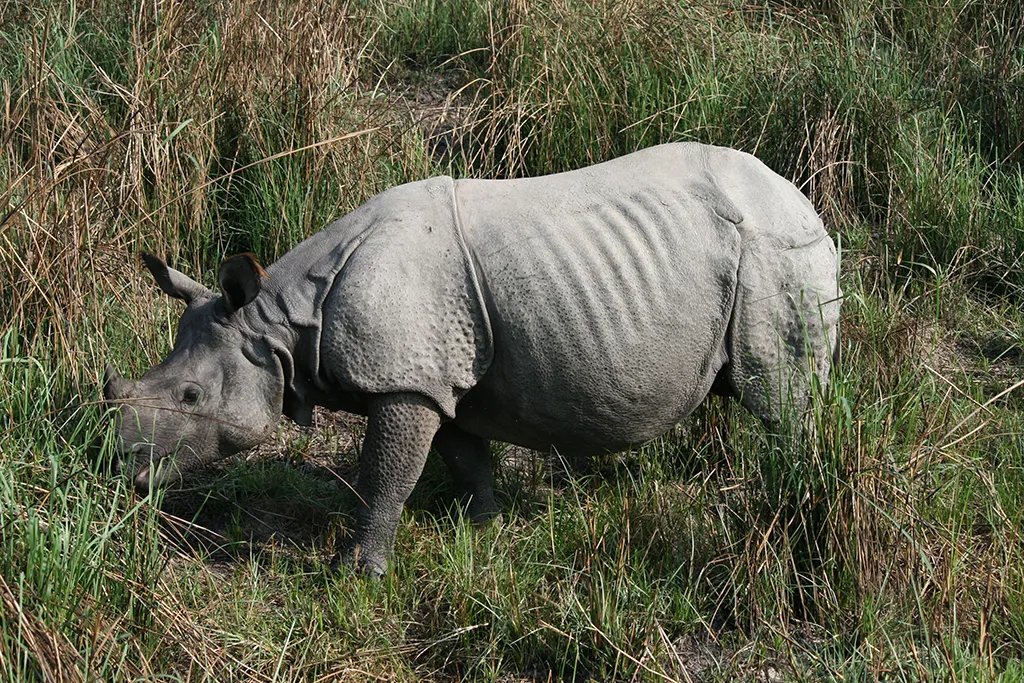
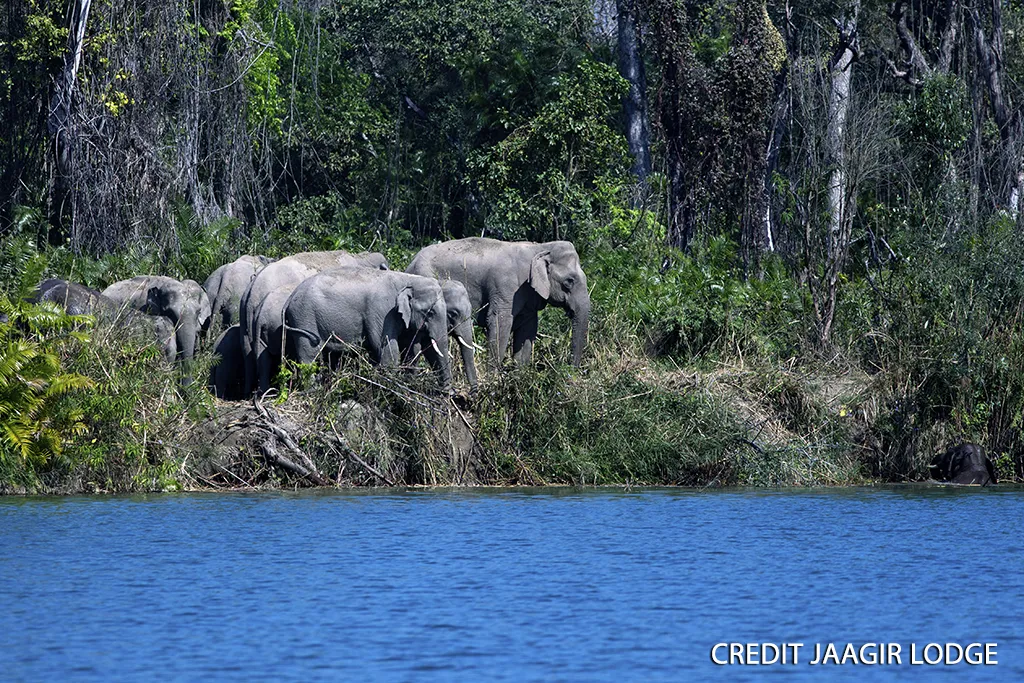
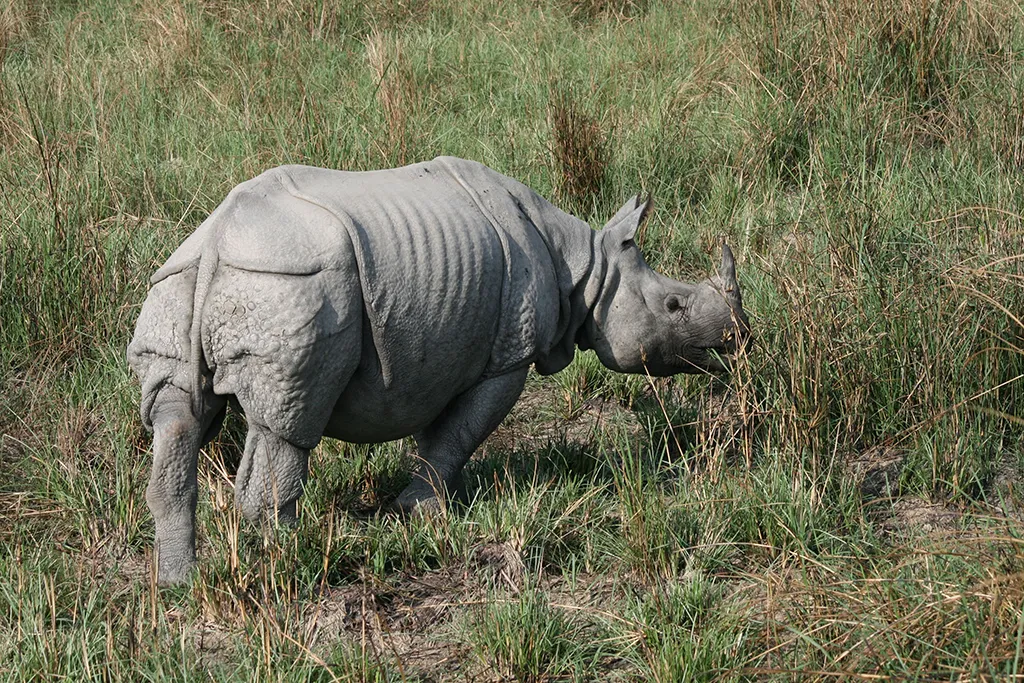
Checkout from the hotel after breakfast. Drive to Dudhwa National Park (approximately 6-7 hours, 300 km). The drive is an excellent introduction to the diversity of the Terai region, as you traverse through the countryside and notice endless fields of sugarcane, rice, and wheat plantations. Dudhwa National Park, covering a huge land area of 811 square kilometers, inspires nature enthusiasts with grasslands, dense forests, and marshes. This park is actually known for magnificent counts of the presence of tiger and swamp deer species. The land of the park is comprised of a diverse alluvial plain beside the streams of Suheli and Mohana, scattered with enormous lakes, pools, and rivulets. The affluent and completely fertile plains of Indo-Ganges support a marvelous development of the forest assortment of fauna. Dudhwa Tiger Reserve also has some of the best forest area of Saal trees in the globe, amidst other flora. This park is a virtual undiscovered heaven for bird watchers, wildlife enthusiasts, and natural lovers. Check in at the lodge. Later, set out for a gentle walk around the lodge to acquaint yourself with the fauna and flora of these rural surroundings. In the evening, the resident naturalist will give an introduction to Dudhwa National Park and highlight the activities included in your itinerary and the optional tours. Dinner and overnight at the lodge.
Day 10 – In Dudhwa National Park
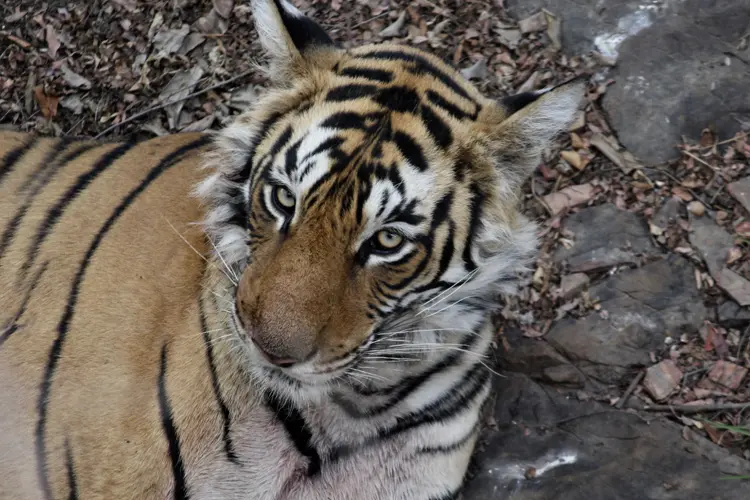
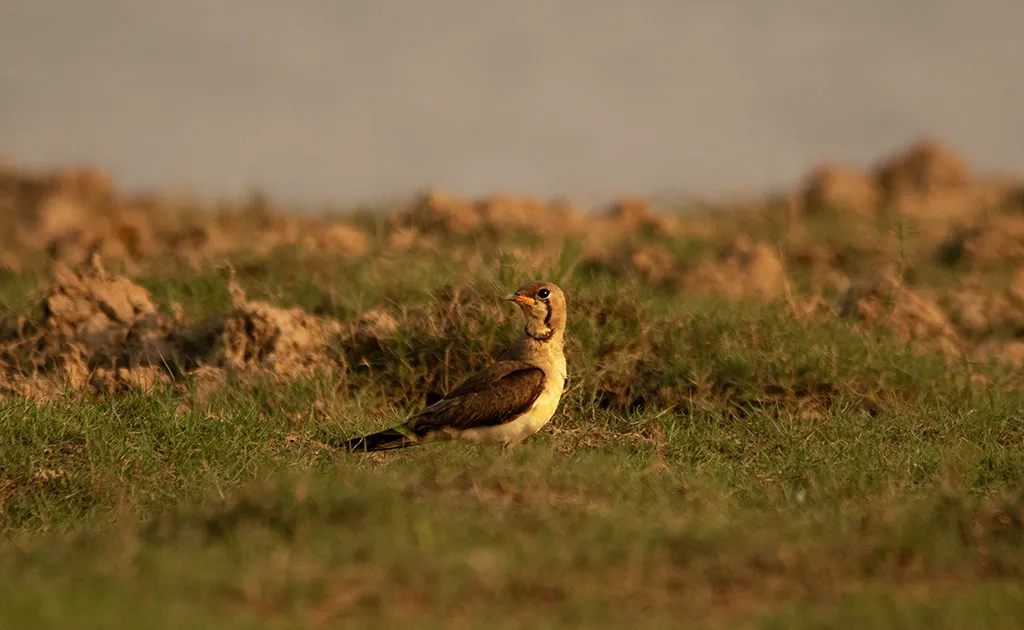
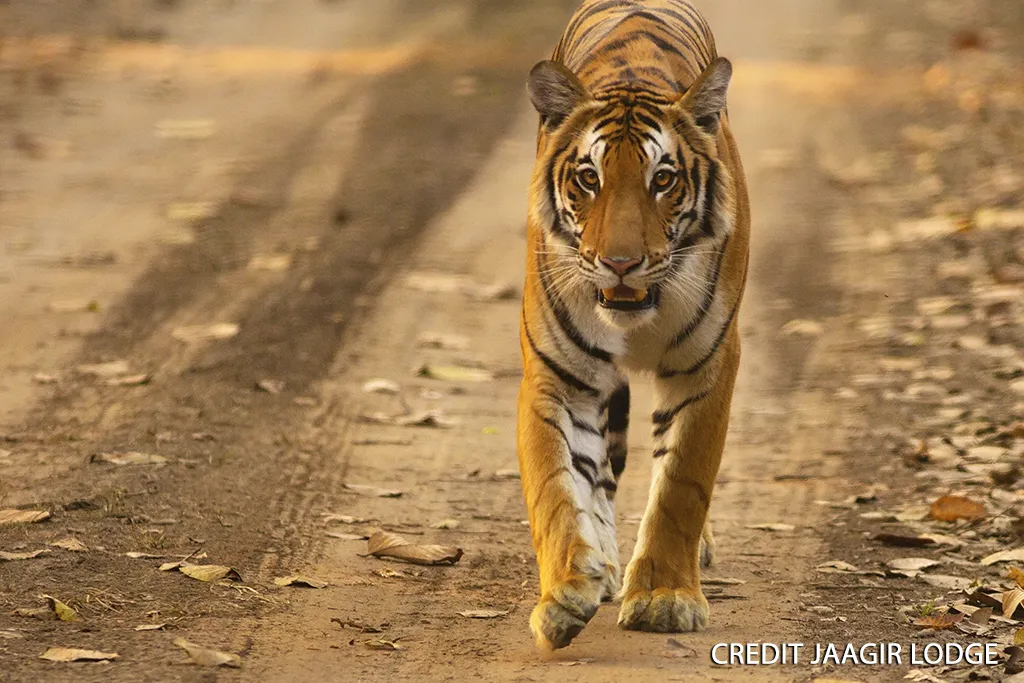
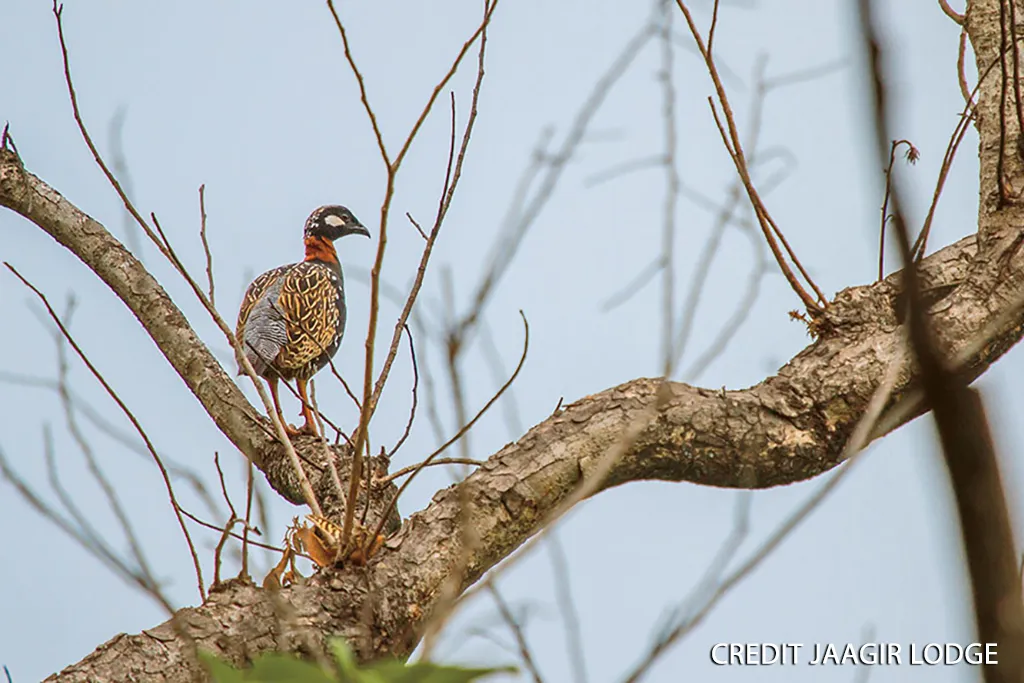
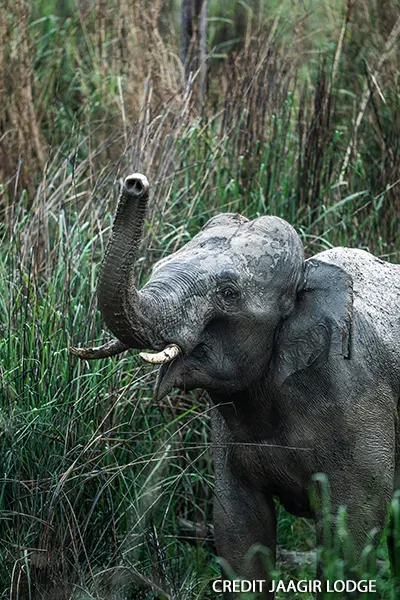
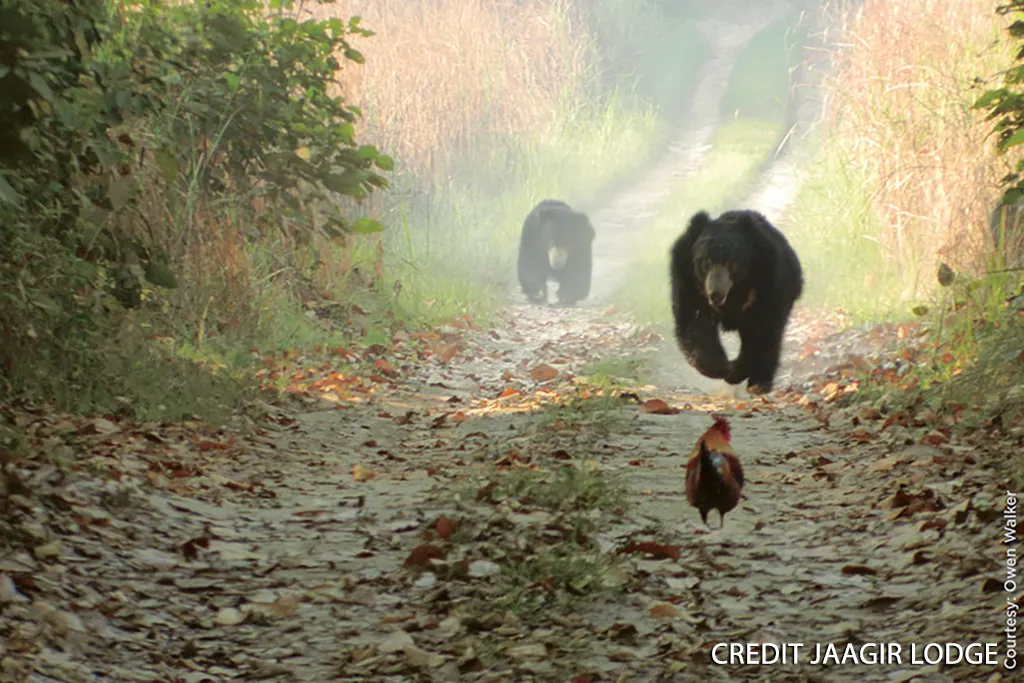
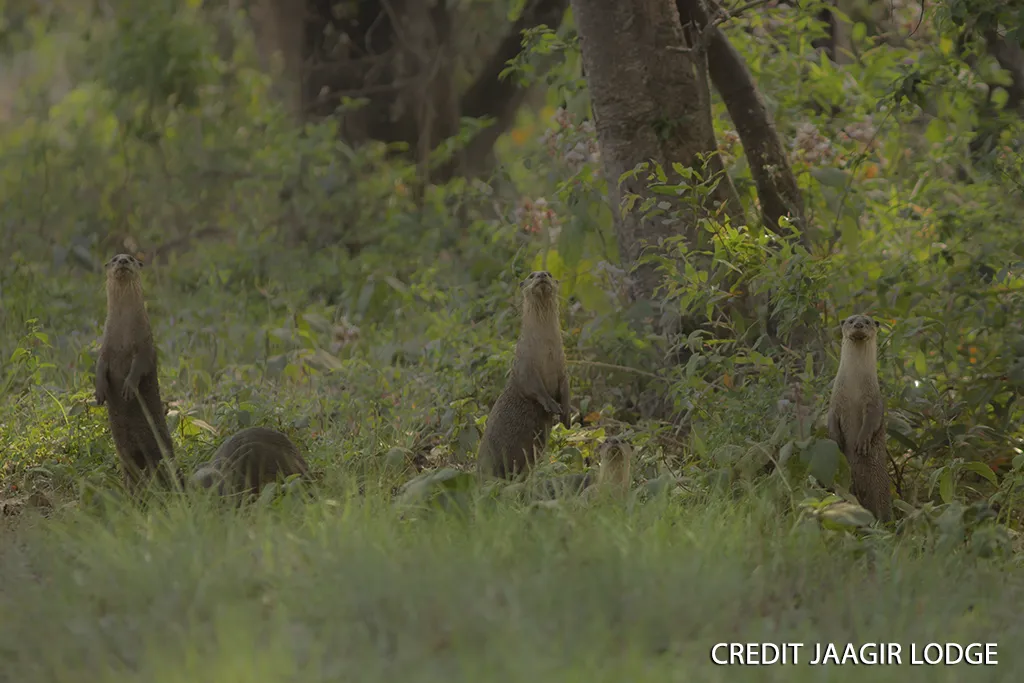
Wake up early for an exciting day as you set course on your first jungle safari in the Terai region. Dudhwa National Park lies amid the warm, tropical moist deciduous forests with an abundance of flora and fauna. Although elusive, sightings of the Royal Bengal tiger, leopard, the swamp deer, and fishing cat are not uncommon. Later, continue as you pass numerous water bodies in the marshlands. Rich in riparian life, they are also critical breeding grounds for the critically endangered Indian otters. Return to the lodge to freshen up for a sumptuous lunch, following which you will proceed for a birding trail in the later afternoon. Whether you are a seasoned birder or just curious, areas in and around Dudhwa National Park are ideal for bird watching. Home to over 400 species of birds, both resident and migratory, the region is as popular for its birds as it is for its mammals. You may choose to walk or cycle with our resident naturalist as you explore areas interspersed with water bodies, grasslands, and fields as far as the naked eye can see. Dinner and overnight at the lodge.
Day 11 – Dudhwa NP – Kishanpur Zone
This morning, proceed on an hour’s drive to the Kishanpur Wildlife Sanctuary. An integral part of the Dudhwa Tiger Reserve, it is an excellent habitat for the unique flora and fauna of the Terai region, with its many bodies of water. The sanctuary is dominated by sal, ficus, and crocodile-bark trees, along with an array of multi-hued flowers and trees like the red silk cotton tree and the flame of the forest. A swampland fed by the Sharda River also features the elusive tiger and the endangered swamp deer, along with barking deer, wild boar, and hog deer. Watch freshwater crocodiles bask in the sun and ducks swim on these lakes. After enjoying your game drive, return to Jaagir Lodge, Dudhwa for lunch. Post lunch, you will drive for about forty-five minutes to a quaint hamlet on the periphery of the Dudhwa National Park – belonging to the local tribes of the Terai region. For centuries, the indigenous people have lived off the jungle, and their traditions reflect their intimate relationship with the dense forests. Though their main occupation is farming, the colorful tribal community is renowned for their folk roots in music and dance, expert craftsmanship, and impeccable hunting skills. On your way back, visit a local school where the curriculum is focused on nature and conservation. Interact with the enthusiastic young children and meet with the local teachers who are sensitizing the young generation on the impact modernization has on natural ecosystems. It is fascinating to see how passionate the young children are about nature, animals, and plants alike. Dinner and overnight at the lodge.
Day 12 – Dudhwa NP – Lucknow
Checkout from the lodge after breakfast. Drive to Lucknow (approximately 5-6 hours, 250 km). The creator of Lucknow, as it is today, was Nawab Asaf ud-Daula (1775 to 1797). The city became known as a centre for Urdu poetry and courtly diction, and reached its acme during the reign of Wajid Ali Shah (1847 to 1856) who was a connoisseur of music and poetry. It was during his reign that the British exiled him to Calcutta and appropriated Awadh; a key event in sparking the Indian Mutiny. Today, the city is dotted with remnants of its rich historic past. Lucknow is also known for its elaborate cuisine and ‘Chikankaari’ or exquisite shadow-work embroidery on fine muslin cloth. Check in at hotel. Later proceed for a half-day city tour covering the must-visit places along with local markets, etc. Bara Imambara: An architectural marvel of intricate and complex design. The central hall is one of the world’s largest vaulted galleries. Built by Nawab Asaf-ud-Daula in 1784. Hussainabad Imambara: Housing the tombs of Muhammad Ali Shah and his family, it was built between 1837 and 1842. It is also called the Chhota Imambara, or small Imambara. Approached through a fine garden, the Imambara has a white dome, numerous turrets, and minarets. Dinner and overnight at the hotel.
Day 13 – Lucknow – Delhi
Checkout from the hotel after breakfast. Transfer to airport in time to connect your flight to Delhi. Arrive Delhi and transfer to your hotel. Rest of the day at leisure. Dinner and overnight at the hotel.
Day 14 – Departure
Breakfast and checkout from the hotel. You will be transferred to the Delhi airport to board your flight home/onward journey.