Day 1 – Arrive in Ahmedabad
On arrival at Ahmedabad Airport, you will be met by Mysteries of India representative and chauffeur who will escort you to the hotel. The representative will hand over and explain all travel-related documents to you. Afternoon tour of the Sarkhej mausoleum complex and the Vishala Village complex with its superb utensil museum. Evening walk at Law Garden to see the night market where street vendors hawk saris, embroidered textiles, and local crafts. Overnight at hotel in Ahmedabad.
Day 2 – Ahmedabad – Little Rann of Kutch
Checkout from the hotel after early breakfast. Explore Ahmedabad’s historic neighborhoods on a heritage walk to take in the city’s splendor and rich cultural legacy. Proceed to North of Gujarat to Patan and visit the Patola weavers and Rani Ki Vav Stepwell – one of the best monuments of Gujarat, painstakingly erected by Queen Udayamati in the 11th century in commemoration of her husband King Bhimdev. Drive to Little Rann of Kutch later. The Wild Ass Sanctuary, which is part of India’s largest protected area, is a sanctuary for the endangered Asiatic Wild Ass. Its major responsibility is to strictly conserve the last remaining Khur, or Asiatic Wild Ass, population. Other than the wild ass, the Rann’s animals include the nilgai, chinkara gazelle, hare, white-footed desert and Indian foxes, wolves, jungle cats (sometimes also desert cats), and long-eared and pale hedgehogs. Dinner and overnight at the lodge.
Day 3 – Little Rann of Kutch
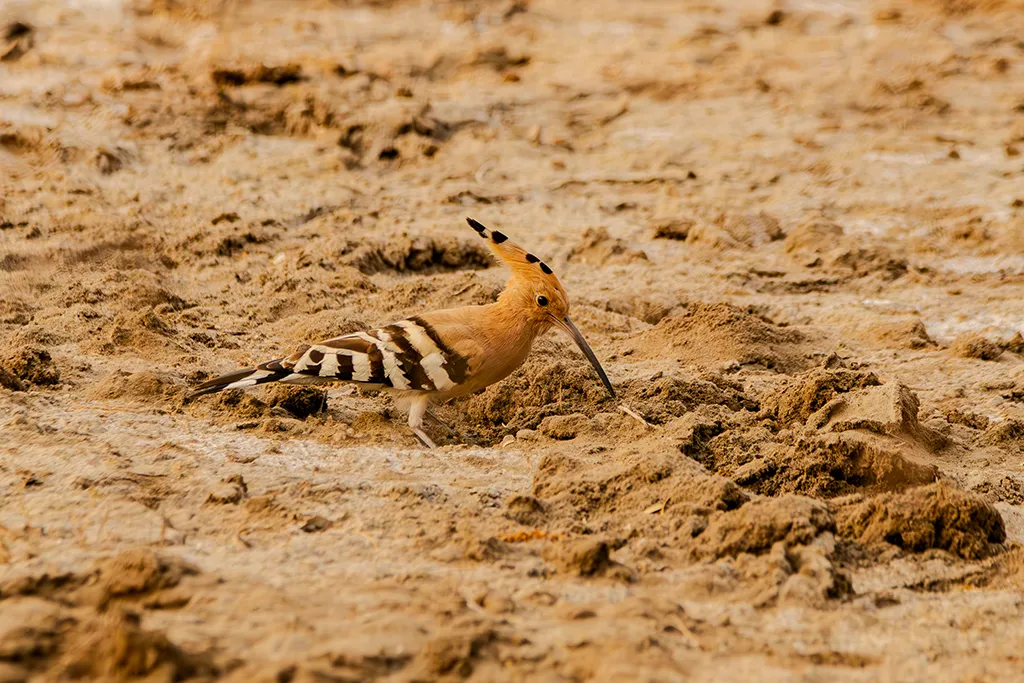
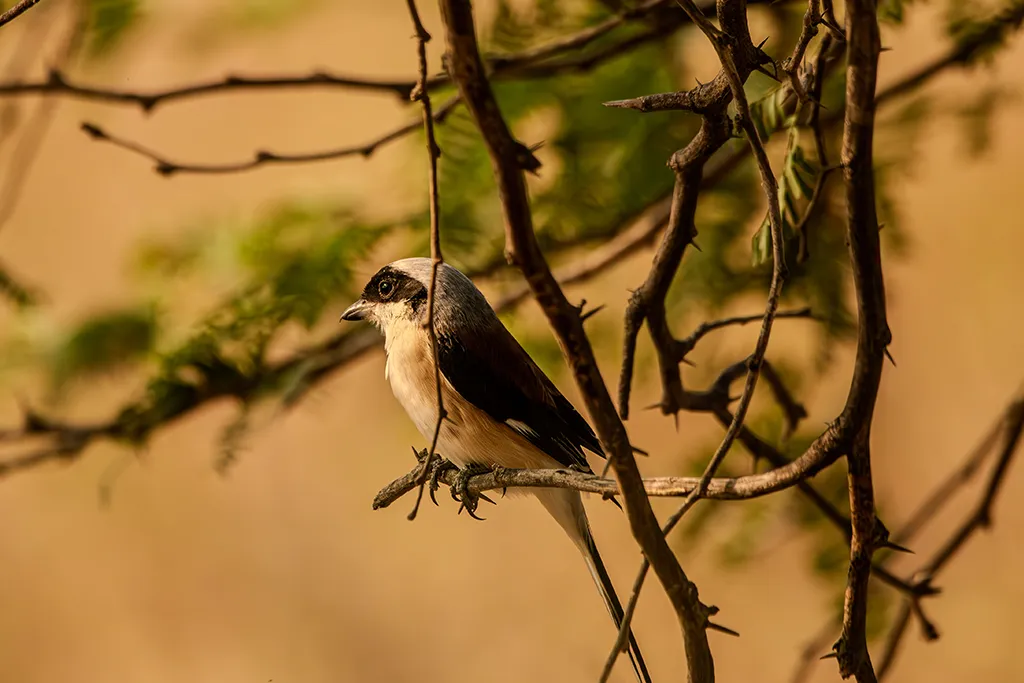
Morning and evening game drives to explore the bird species along with mammals of the region. The birds include the larger short-toed lark, bimaculated lark, singing and Indian bush larks, Oriental Skylark, Ashy-crowned and Black-crowned sparrow-larks, Crested and Sykes larks, and possibly greater hoopoe-larks. Other probable sightings of the desert warbler, one of several winter visiting warblers, include the desert and various wheatears, long-tailed, Rufous-tailed, bay-back, and common wood shrikes. We’ll also look for rufous-tailed scrub robins, blue-headed rock thrush, black redstart, wryneck, brown-rock chat, pied bushchat, quails, yellow-legged and barred buttonquails, Indian courser (sometimes cream-colored visits), chestnut-bellied and spotted sandgrouse, and buntings in the scrubby areas. Aquila eagles, falcons, buzzards, marsh, Montagu, and pallid harriers can all be seen making their way to their roosting grounds around dusk. All meals and overnight at the lodge.
Day 4 – Little Rann of Kutch – Velvadar
Drive early in the morning to search for Bets in high areas of the Rann that are grassy and scrubby. This is where Macqueen’s bustard is most likely to appear in the winter. During the trip, it is typical to spot booted eagles, Bonelli’s eagles, short-toed snake eagles, and long-legged, common, and white-eyed buzzards. After breakfast, head back to the lodge and make the 150km drive to Velvadar, which should take three to four hours. Get to Velvadar and spend the rest of the day relaxing. Dinner and overnight at the lodge.
Day 5 – Velvadar National Park
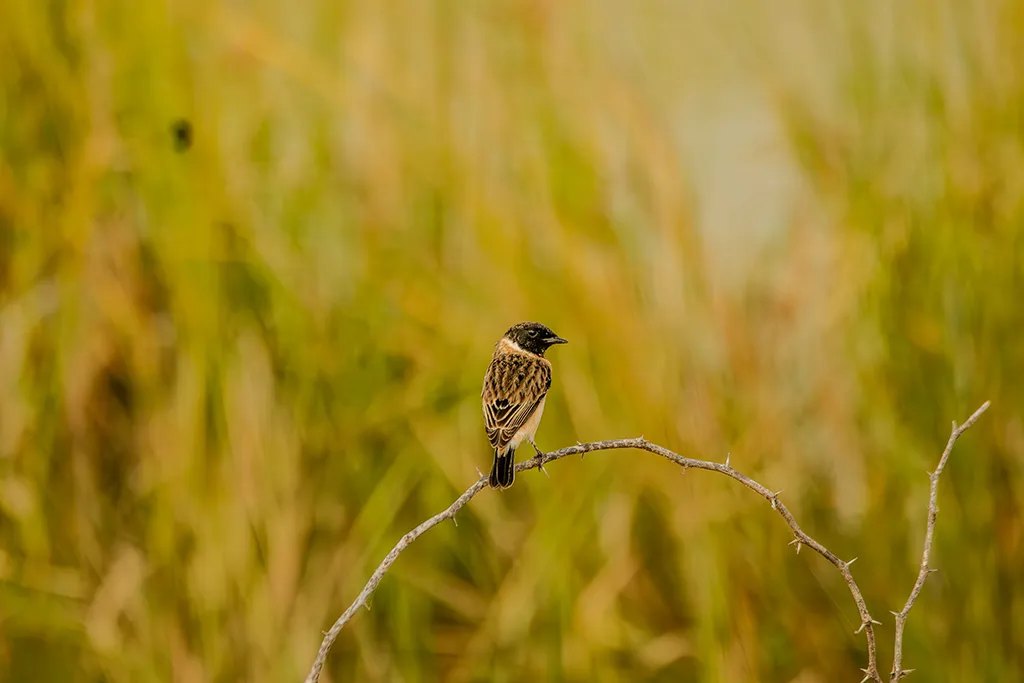
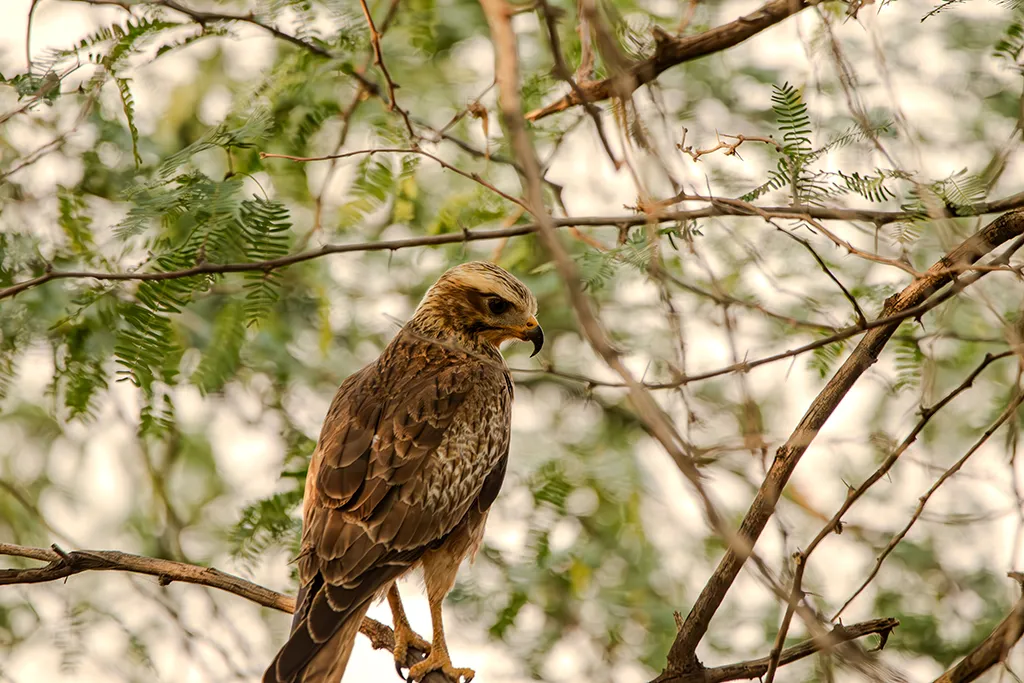
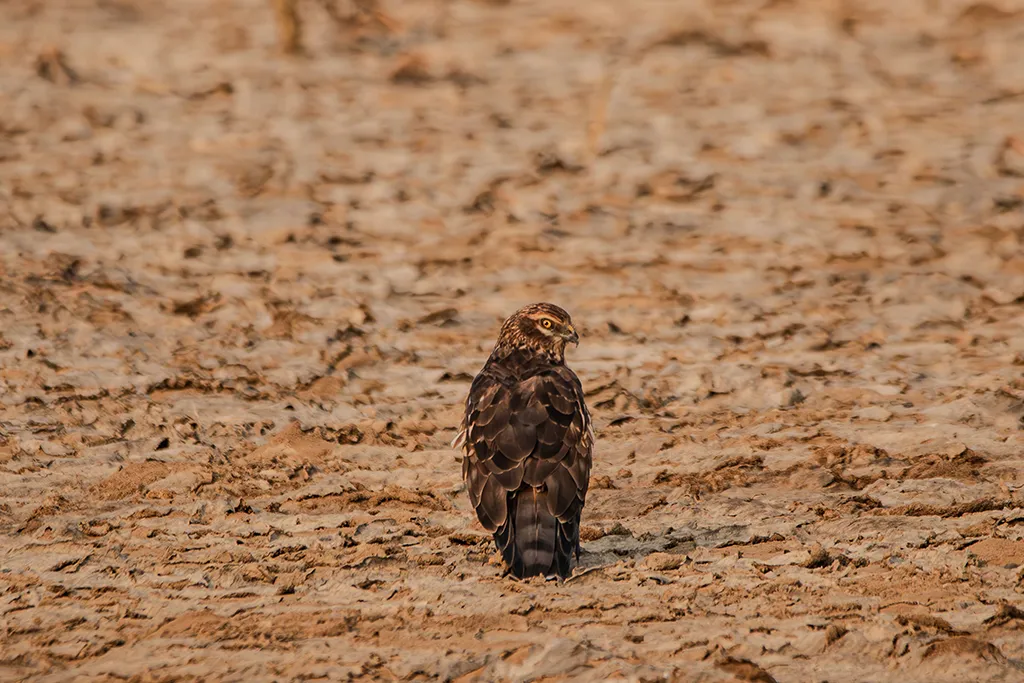
Morning and evening safaris in Velavadar National Park. Velavadar, which is well-known for its abundance of blackbuck antelope, is also one of the few locations in India where wolves are becoming more common, however they are rarely spotted during the day. On the outskirts, Indian fox can be observed, but jackal, jungle cat, and hare are more common. The short-toed snake eagle, imperial, steppe, Tawny, greater, and lesser spotted eagles, hobby, common kestrel, red-necked falcon, peregrine falcon, white-eyed and long-legged buzzard, black-shouldered kite, shikra, Eurasian sparrow-hawk, and, less frequently, the northern goshawk are among the many raptors that come here. Red-rumped swallows, desert and varied wheatears, Rufous-tailed, crested, and Sykes’ larks, painted francolin, chestnut-bellied and spotted sandgrouse, Sirkeer malkoha, and others are among the other birds that are visible. For instance, the Stoilczka bushchat is uncommon. Watch the Montagu, pallid, and marsh harriers construct a huge roost in the twilight. Between safaris, enjoy the hospitality of the lodge. All meals and overnight at the lodge.
Day 6 – Velvadar – Gir National Park
Morning safari in the park. Return to the lodge for breakfast, then drive to Gir National Park 250 km enroute visit the port areas, lakes, and Victoria Park. Rest of the day at leisure. Dinner and overnight at the lodge.
Day 7 – 8 – Gir National Park
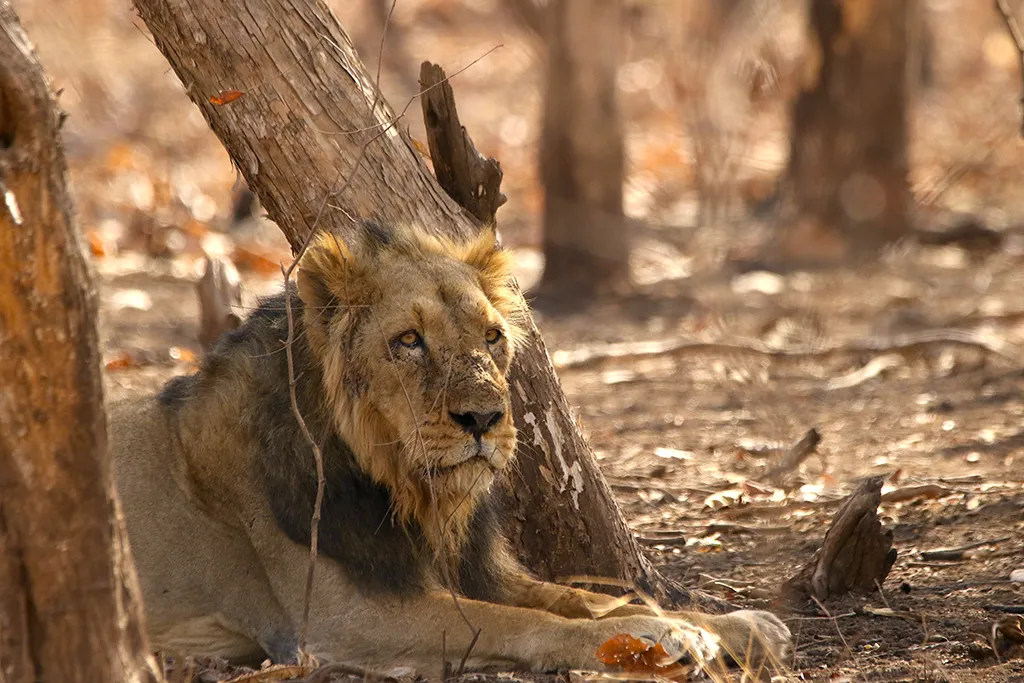
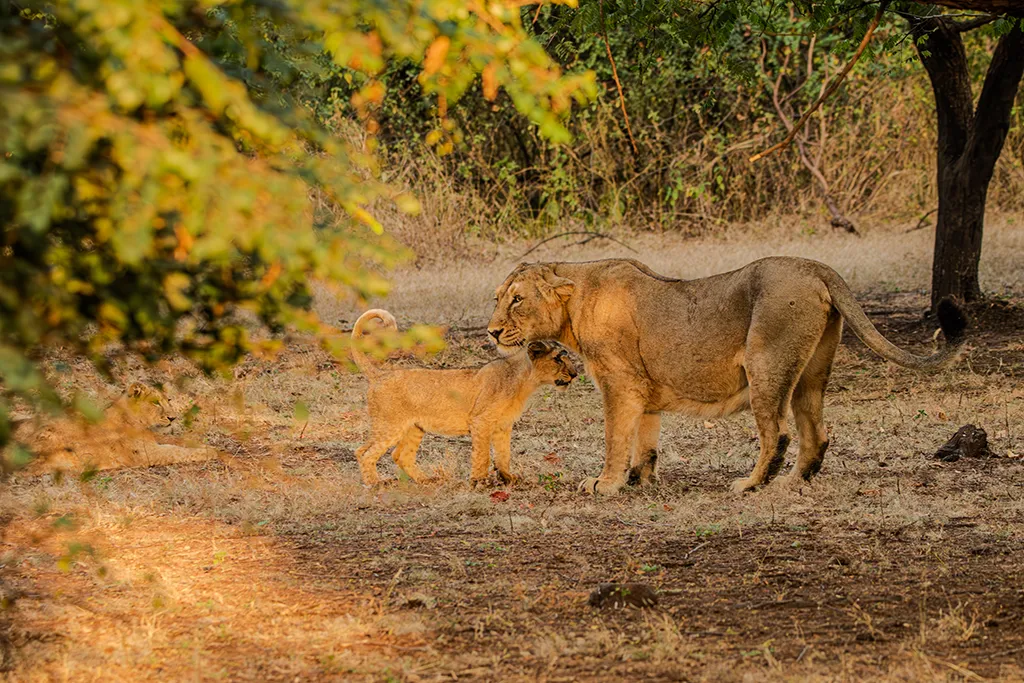
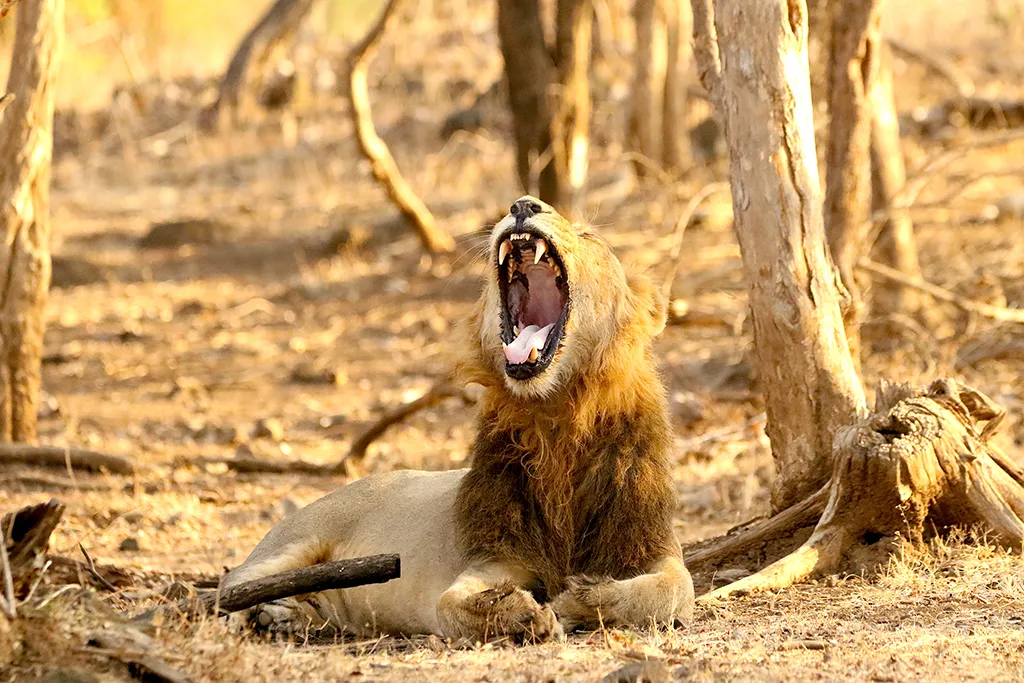
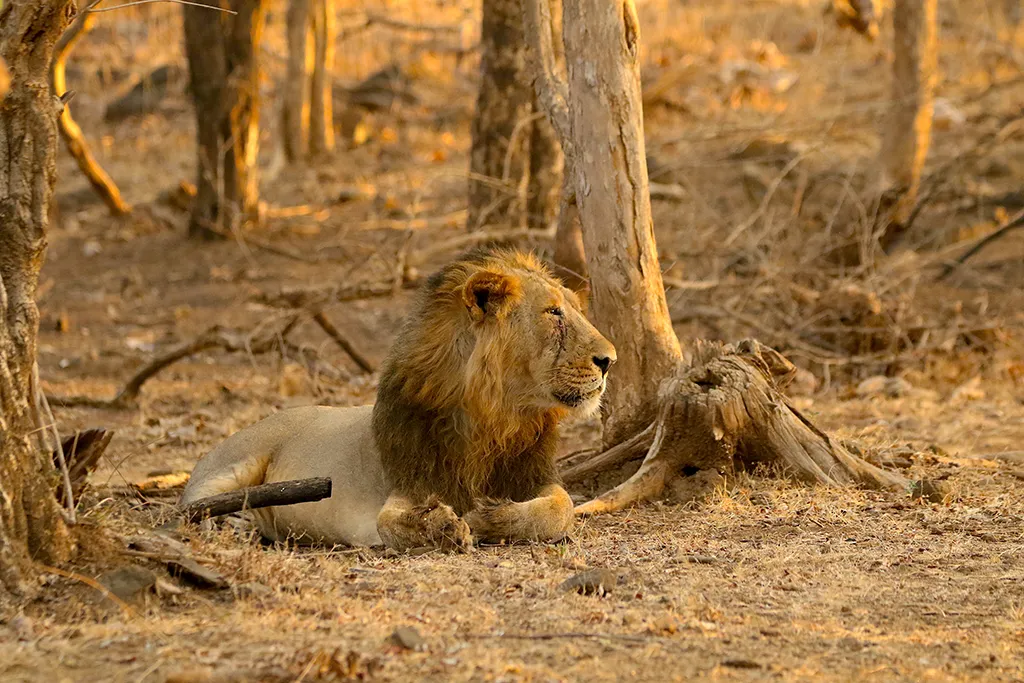
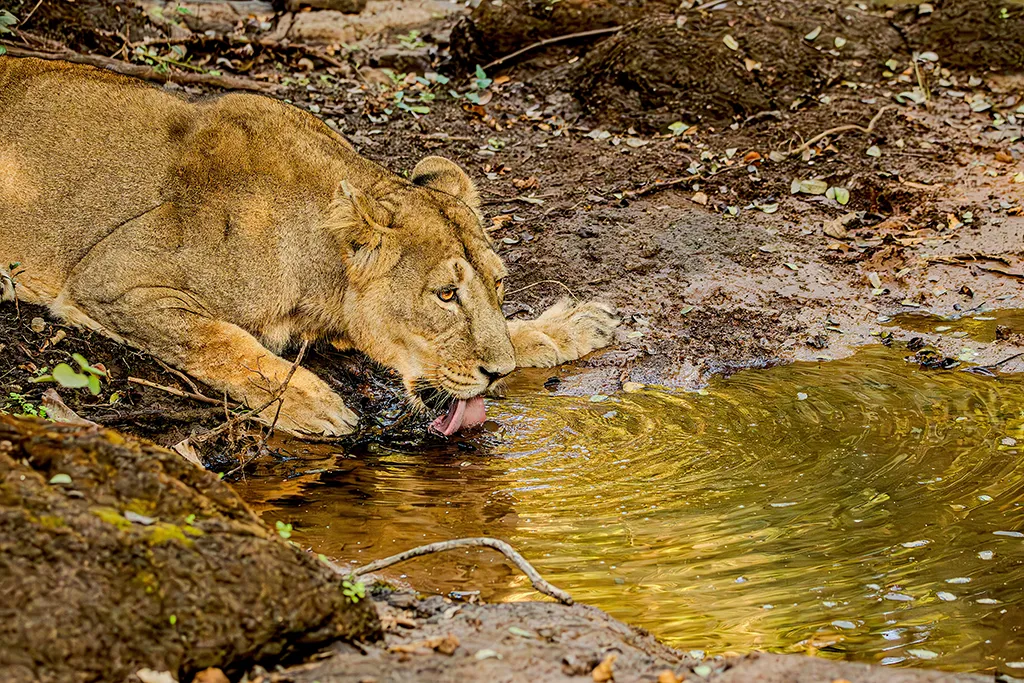
Take a morning and evening safari to explore the park. The Asiatic Lion, a critically endangered species whose range formerly reached Greece, is now only found in Gir National Park. Together with the about 300 leopards in the sanctuary, the species’ current population of over 300 individuals gives Gir one of the largest concentrations of big cats in India. Chousingha, the only four-horned antelope in the world, and Chinkara, sometimes known as the Indian Gazelle, are other important mammals. Laggar Falcon, White-bellied Minivet, Rufous Treepie, Asian Paradise Flycatcher, Marshall’s Iora, Tawny-bellied and Yellow-eyed Babblers, Rufous-fronted Prinia, Black-headed Cuckooshrike, and Brown Fish and Mottled Wood Owls are some of the important species of the diverse avifauna that live in the forests, which are separated by rivers and scattered with grasslands. All meals and overnight at the lodge.
Day 9 – Gir NP – Jamnagar
At Gir, take a mini-bus tour of the Interpretation Zone, an enclosed cross-section of Gir habitats, and drive to Jamnagar 200 km. Rest of the day at leisure. Dinner and overnight at the hotel.
Day 10 – Jamnagar
Visit Narara Bet The aquatic National Park today, where you can interact with the coral reefs’ aquatic life, contingent on the tide’s timing. For lunch, head back to your hotel. After lunch, head to Khijadiya Bird Sanctuary, where thousands of pelicans, flamingos, storks, and cranes spend the winter in its fresh and saltwater lagoons. Dinner and overnight at the hotel.
Day 11 – Jamnagar – Rajkot – Mumbai
Early breakfast and visit Khijadiya Bird Sanctuary, a possible site for the Indian skimmer. This sanctuary is a breeding area for many species of birds that do not nest elsewhere. Later, continue to Rajkot in time to connect your flight to Mumbai 150 km. Arrive Mumbai and transfer to hotel. Rest of the day at leisure. Dinner and overnight at the hotel.
Day 12 – Mumbai
Morning visit the Elephanta Caves. The Elephanta Caves are a group of cave temples primarily devoted to the Hindu deity Shiva that have been named a UNESCO World Heritage Site. In the afternoon, take in the city’s sights by driving along Marine Drive, stopping at the Prince of Wales Museum, Mani Bhawan, Dhobi Ghat, Crawford Market, etc. Dinner and overnight at the hotel.
Day 13 – Departure
Breakfast and checkout from the hotel. You will be transferred to the Mumbai airport to board your flight home/onward journey.