

Gir National Park
Gujarat
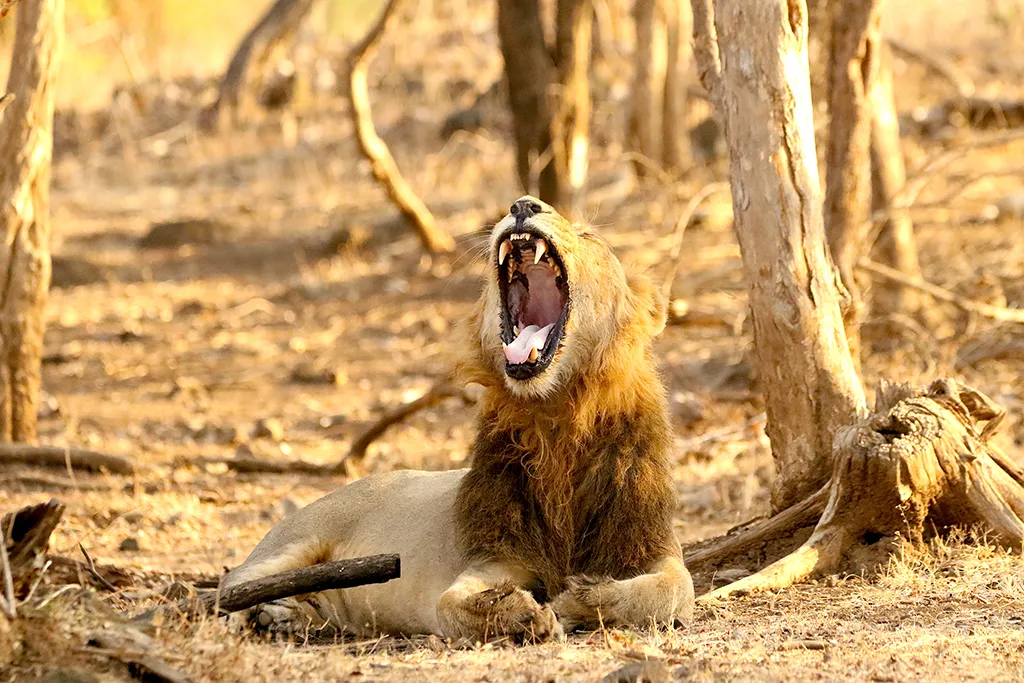
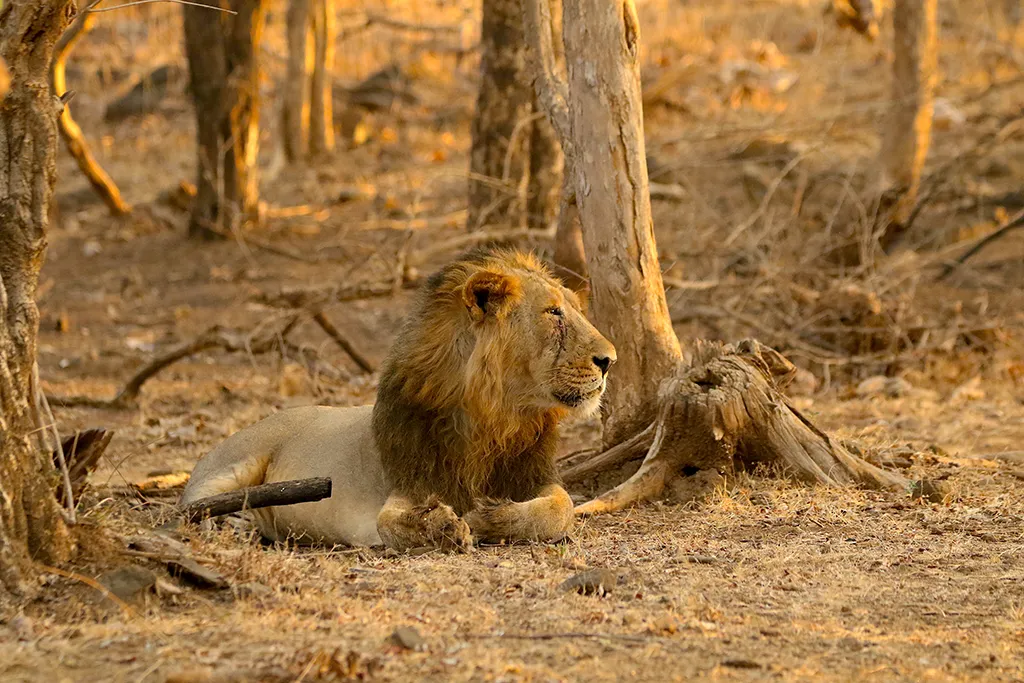
Nestled in the Junagadh district of Gujarat, Gir National Park holds the distinguished title of being the only natural habitat of the majestic Asiatic lion in the world. This extraordinary wildlife sanctuary, spanning over 1,400 square kilometers, offers a unique Asiatic lion safari Gir experience that is unmatched anywhere else on the planet. The park’s diverse ecosystem of dry deciduous forests, interspersed with semi-evergreen and evergreen forests, along with grasslands and rocky hills, makes it an ideal location for a comprehensive Gir wildlife tour that showcases the unique biodiversity of western India.
Planning an adventure to this exclusive wilderness requires careful preparation. The essential first step is securing your Gir National Park jeep safari booking through the Gujarat Forest Department website or authorized tour operators. Understanding the different Gir safari zones is crucial for maximizing your wildlife experience, as each zone offers unique landscapes and viewing opportunities. For accommodation, visitors can choose from various eco-friendly options that support Gir National Park eco-tourism Gujarat, ranging from luxury jungle resorts to comfortable forest rest houses.
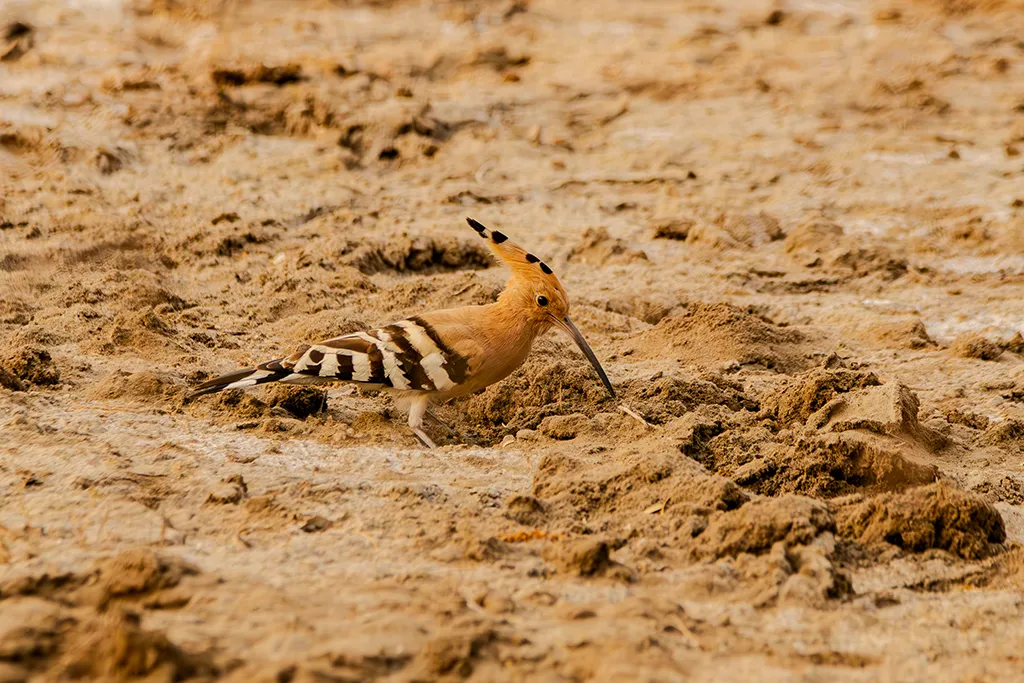
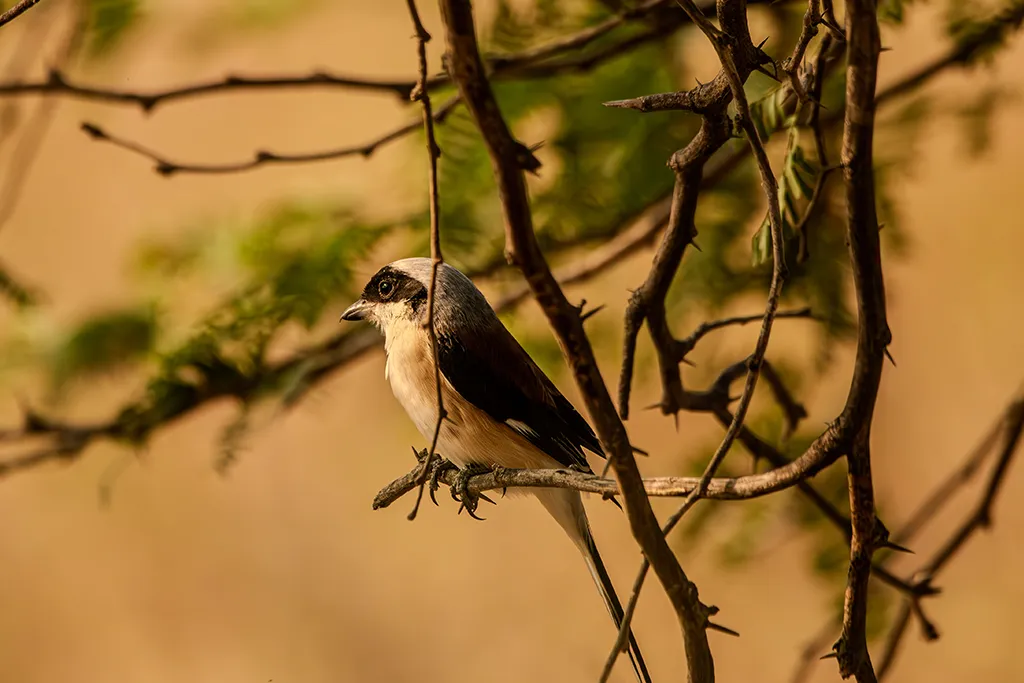
Knowing the best time to visit Gir is key to optimizing your safari experience. The park also provides outstanding opportunities for birdwatching in Gir National Park, with over 300 species recorded, making it a paradise for bird enthusiasts and nature photographers. The park’s location in the Kathiawar Peninsula creates a unique ecosystem that supports both dryland species and wetland birds around its numerous water bodies.
Ideal Time to Visit Gir National Park
Choosing the best time to visit Gir depends on your wildlife viewing preferences:
- Peak Wildlife Viewing (December to March): The winter and early spring months offer the best Asiatic lion safari Gir experience. Pleasant temperatures and drier conditions make wildlife more active and visible, especially around water sources.
- Summer Viewing (April to May): While temperatures are higher, this period offers excellent wildlife sightings as animals congregate around diminishing water sources, improving visibility for photography and observation.
- Monsoon Consideration (June to October): The park remains closed during the monsoon season from June 16th to October 15th to allow the forest ecosystem to regenerate and for safety reasons during heavy rains.
Important Note:
Gir National Park remains closed during the monsoon season to allow for habitat regeneration and because many areas become inaccessible due to flooding and slippery conditions.
Activities and Experiences
- Wildlife Safaris: The exclusive Asiatic lion safari Gir experience is conducted through open-top jeeps that explore the core zones. This is the best way to experience the diverse Gir safari zones and witness the park’s famous Asiatic lions.
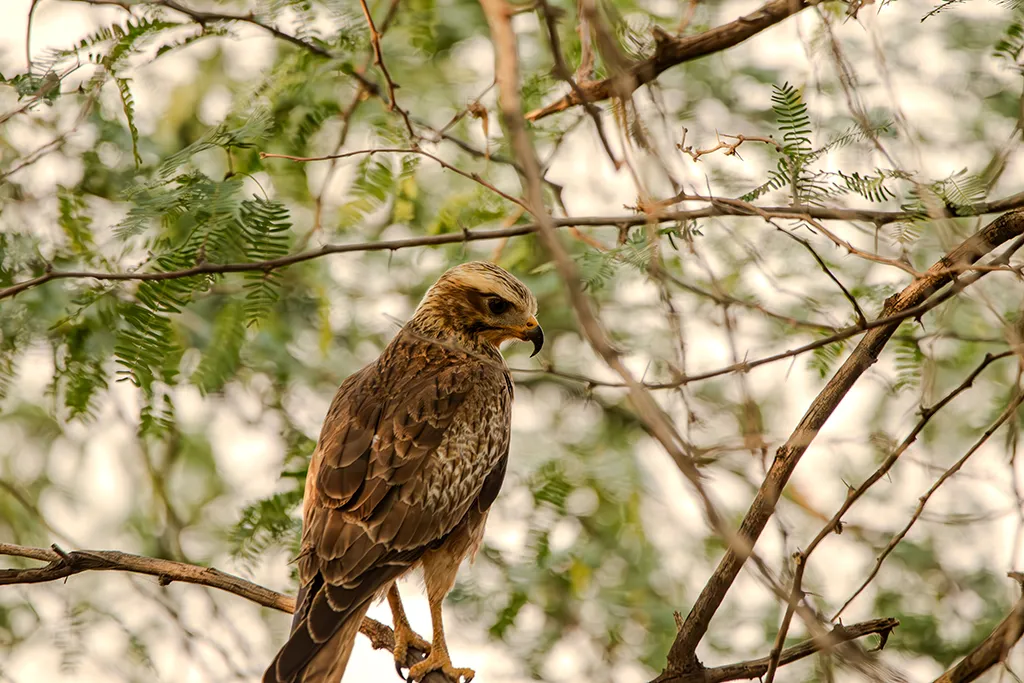
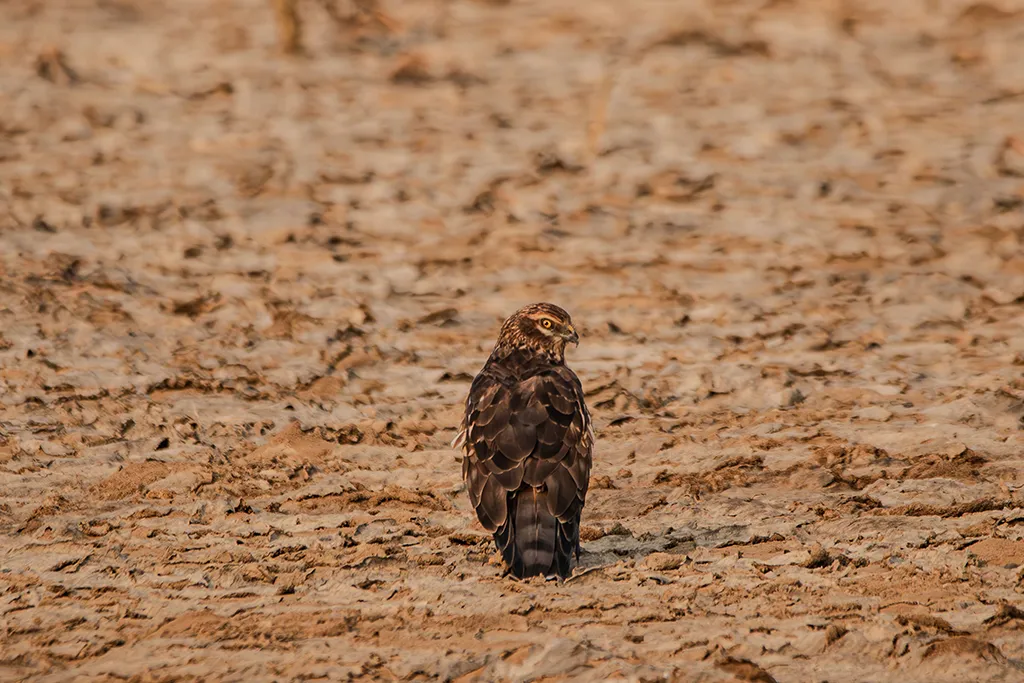
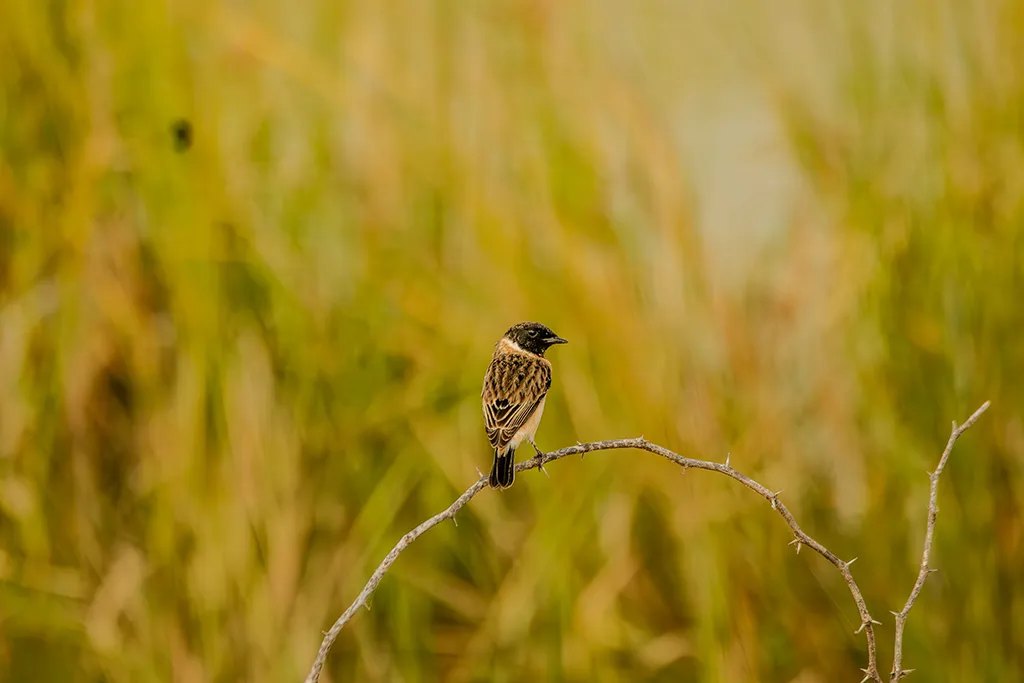
- Bird Watching: With over 300 species, birdwatching in Gir National Park is exceptionally rewarding. The park hosts numerous resident and migratory species, particularly around the seven major perennial rivers that flow through the forest.
- Nature Photography: The park’s varied landscapes and abundant wildlife provide excellent opportunities for photographers. Wildlife photography in Gir Sasan Zone is especially productive due to the high density of lions and other wildlife.
- Crocodile Breeding Center Visit: A must-see attraction showcasing the conservation efforts for marsh crocodiles.
- Eco-Tourism Experiences: Gir National Park eco-tourism Gujarat includes nature education programs, visits to the Gir Interpretation Zone, and cultural experiences with local Maldhari communities.
Tours Name
• Tigers of Corbett, Kanha, and Bandhavgarh
• Highlights of Kumaon & Dudhwa
Gir National Park: A Visitor’s Guide
1. Unique Wildlife & Lion Safaris
Gir National Park protects an incredible array of fauna, making every Gir wildlife tour unforgettable:
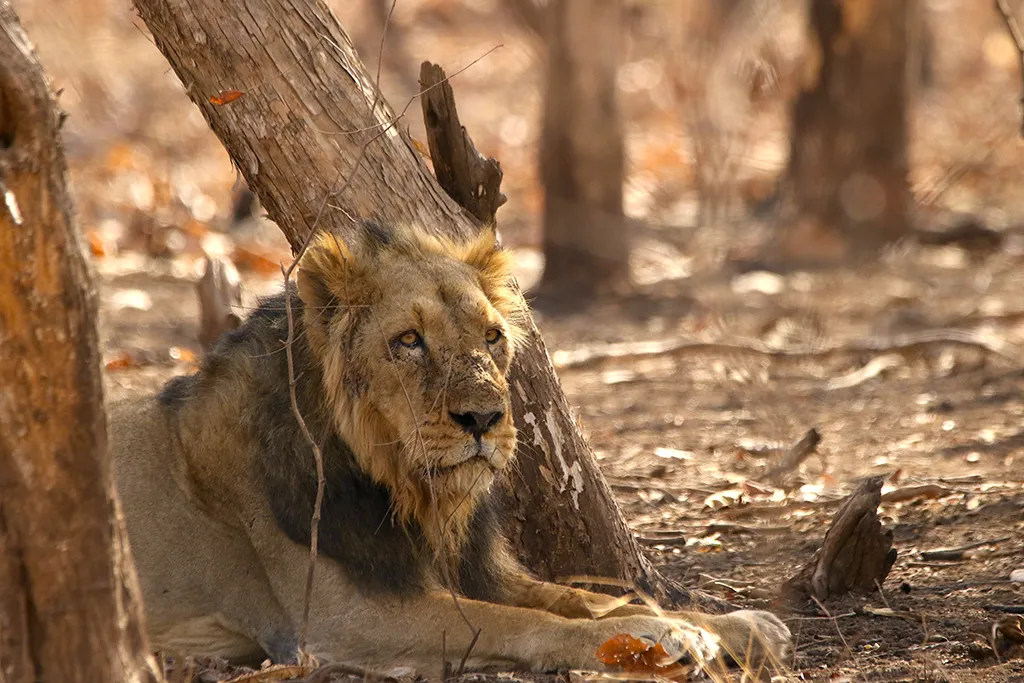
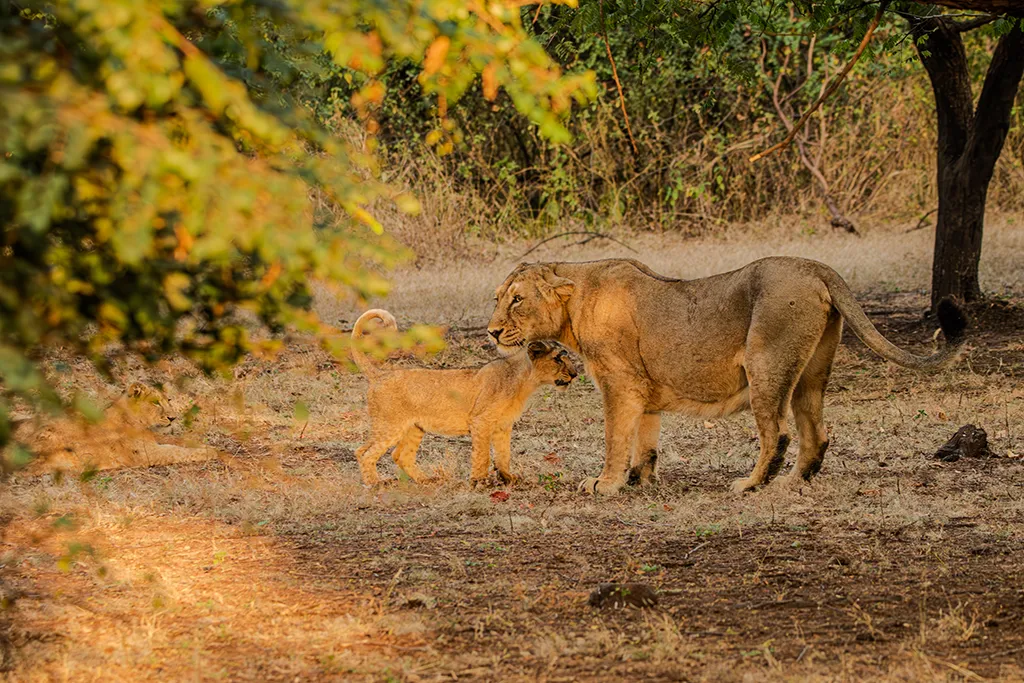
- Asiatic Lions: The park’s main attraction and conservation success story, with over 600 lions currently inhabiting the forest. An Asiatic lion safari Gir offers the unique opportunity to see these majestic predators in their only natural habitat.
- Leopards: A significant population of Indian leopards coexists with the lions in the same ecosystem.
- Other Mammals: Includes striped hyena, golden jackal, Indian fox, sambar deer, chital, nilgai, and four-horned antelope (chousingha).
- Rich Biodiversity: The park’s ecosystem supports numerous species including marsh crocodiles, Indian pangolins, and over 40 species of reptiles and amphibians.
2. Unique Safari Zones
Understanding the distinct Gir safari zones enhances your wildlife experience:
- Sasan Gir Zone: The main entry point and most popular zone, known for excellent lion sightings. Wildlife photography in Gir Sasan Zone is particularly rewarding due to high animal density.
- Devalia Safari Park: An enclosed area offering guaranteed sightings of lions and other wildlife in a natural setting, ideal for those with limited time.
- Interpretation Zone: An educational area showcasing the park’s conservation efforts and biodiversity.
- Buffer Zones: Surrounding areas that offer additional wildlife viewing opportunities and eco-tourism activities.
3. Birdwatching Haven
Birdwatching in Gir National Park reveals exceptional avian diversity:
- Raptors: Crested serpent eagle, changeable hawk-eagle, and various vulture species including the critically endangered white-rumped and long-billed vultures.
- Forest Birds: Asian paradise flycatcher, painted sandgrouse, and various woodpecker species.
- Water Birds: Found around rivers and waterholes include river terns, kingfishers, and egrets.
- Winter Migrants: Numerous migratory species from Europe and Central Asia winter in Gir’s forests.
- Special Species: The park is home to several threatened species including the lesser florican and Sarus crane.
4. Eco-Tourism & Conservation
Gir National Park eco-tourism Gujarat focuses on sustainable practices:
- Maldhari Community Visits: Opportunities to learn about the traditional pastoral communities who coexist with wildlife.
- Community Involvement: Local communities actively participate in conservation and tourism activities.
- Sustainable Tourism: Eco-friendly accommodations and practices that minimize environmental impact.
- Conservation Programs: Educational initiatives about lion conservation, habitat protection, and human-wildlife coexistence.
- Research Opportunities: Support for scientific research and monitoring programs focused on Asiatic lions.
5. Stunning Landscapes
The unique scenery of Gir National Park enhances the visitor experience:
- Dry Deciduous Forests: Dominated by teak trees with interspersed areas of acacia, zizyphus, and tendu trees.
- Grasslands: Open savannah-like areas that provide ideal hunting grounds for lions and viewing opportunities for visitors.
- River Systems: Seven major perennial rivers including the Hiran, Shetrunji, and Datardi support the park’s ecosystem.
- Rocky Hills: The park’s topography includes rugged hills and plateaus that provide diverse habitats for wildlife.
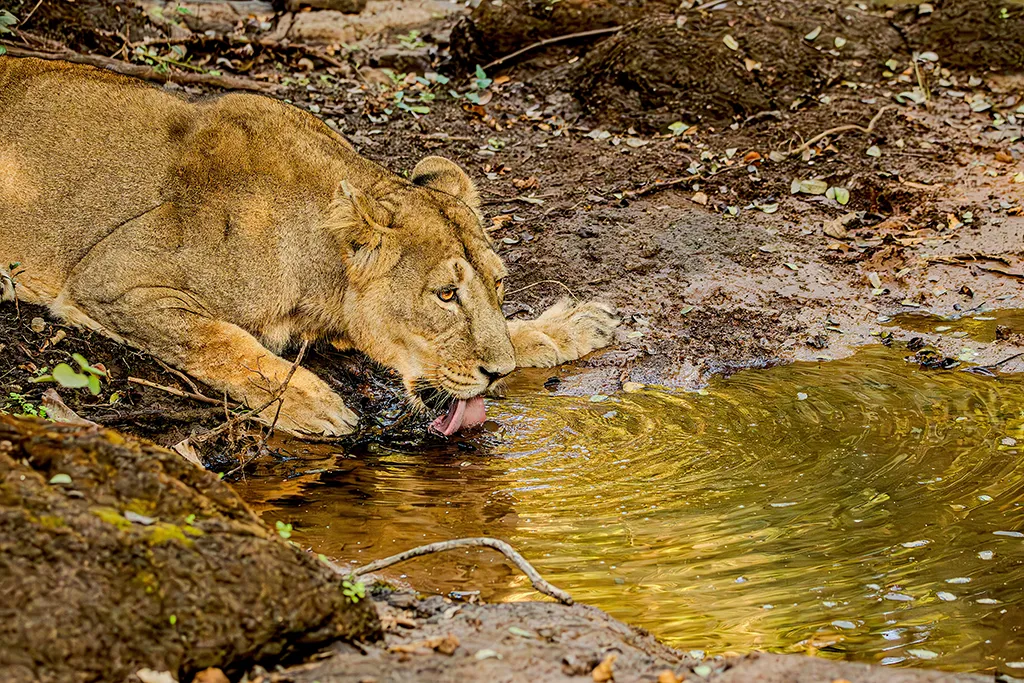
- Water Bodies: Numerous dams and reservoirs attract wildlife, especially during dry months.