

Jim Corbett National Park
Uttarakhand
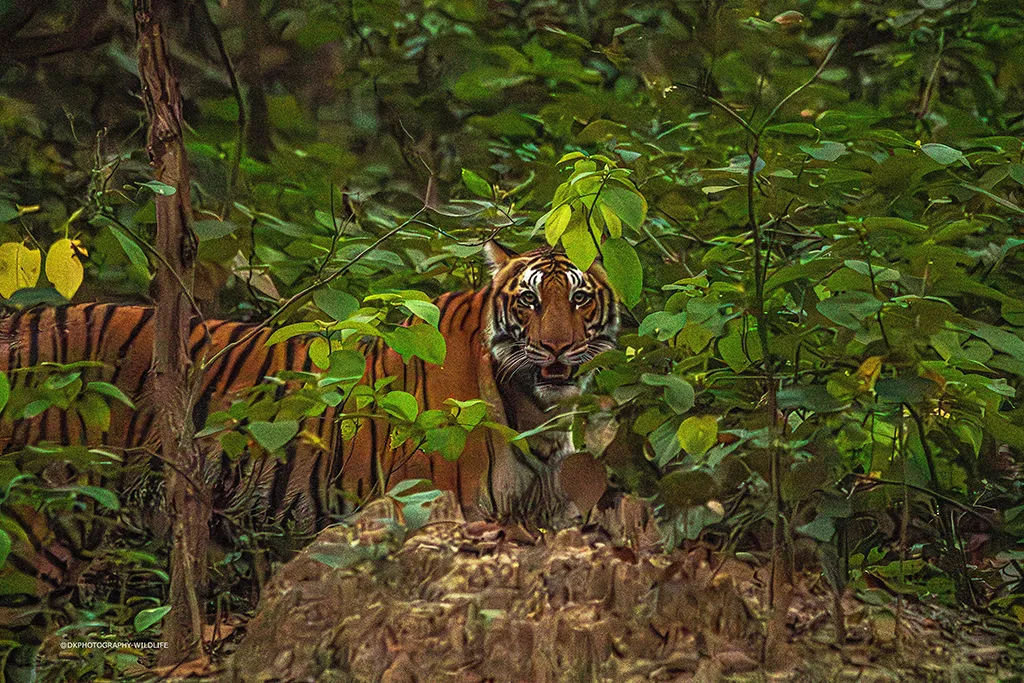
Nestled in the scenic landscapes of the Nainital and Pauri Garhwal districts of Uttarakhand, Jim Corbett National Park is India’s oldest national park, established in 1936 as Hailey National Park and later renamed in honor of the legendary hunter-turned-conservationist Jim Corbett. This sprawling 520-square-kilometer biodiversity hotspot in the Himalayan foothills is the premier destination for Wildlife Tours India has to offer, famous for its population of the majestic Royal Bengal Tiger Safari Jim Corbett.
Planning an adventure to this haven for wildlife enthusiasts, adventure seekers, and nature lovers requires some forethought. Securing your Jim Corbett Safari Booking, especially the coveted Jim Corbett National Park Jeep Safari Booking, is essential. For a truly immersive experience, the Dhikala Forest Lodge Booking is highly prized, as this historic accommodation lies deep within the core zone. Those preferring more luxurious stays will find a range of comfortable Jim Corbett Resorts surrounding the park.
The Best Time to Visit Jim Corbett is from November to June, with winter offering pleasant weather and summer increasing tiger sighting probabilities. Beyond the iconic big cat, the park is a premier destination for Bird Watching in Corbett National Park, with over 600 recorded species. For those seeking more, Adventure Tours in Jim Corbett extend to river rafting, angling, and jungle treks, making it a complete wilderness experience.
Ideal Time to Visit Jim Corbett National Park
The best time to visit Jim Corbett National Park is from November to June, which includes:
- Winter Months (November to February): Pleasant weather, ideal for comfortable wildlife exploration.
- Summer Months (March to June): Hotter temperatures, but excellent for wildlife viewing due to dry conditions and sparse vegetation, which increase animal sightings, especially near water sources.
Note on Park Accessibility:
- Jhirna Zone: Open year-round for visitors.
- Core Zones: Typically closed during the monsoon season (July to September) due to heavy rainfall and safety concerns.
This period ensures optimal conditions for wildlife spotting and a memorable safari experience.
Activities and Experiences
- Wildlife Safaris: Jeep and canter safaris offer thrilling opportunities to explore the park’s core and buffer zones.
- Bird Watching: A paradise for birdwatchers with species like the crested serpent eagle and Himalayan kingfisher.
- Nature Photography: Capture the park’s stunning landscapes and wildlife.
- Eco-Tourism: Stay in eco-friendly resorts or forest rest houses like Dhikala for an immersive experience.
Tours Name
• Tigers of Corbett, Kanha, and Bandhavgarh
• Highlights of Kumaon & Dudhwa
Corbett National Park: A Visitor’s Guide
1. Diverse Wildlife & Tiger Safaris
Corbett National Park is renowned for its rich biodiversity, making it a haven for wildlife enthusiasts.
- Royal Bengal Tiger: The star attraction, with thrilling opportunities to track and possibly spot these majestic creatures, though sightings are not guaranteed.
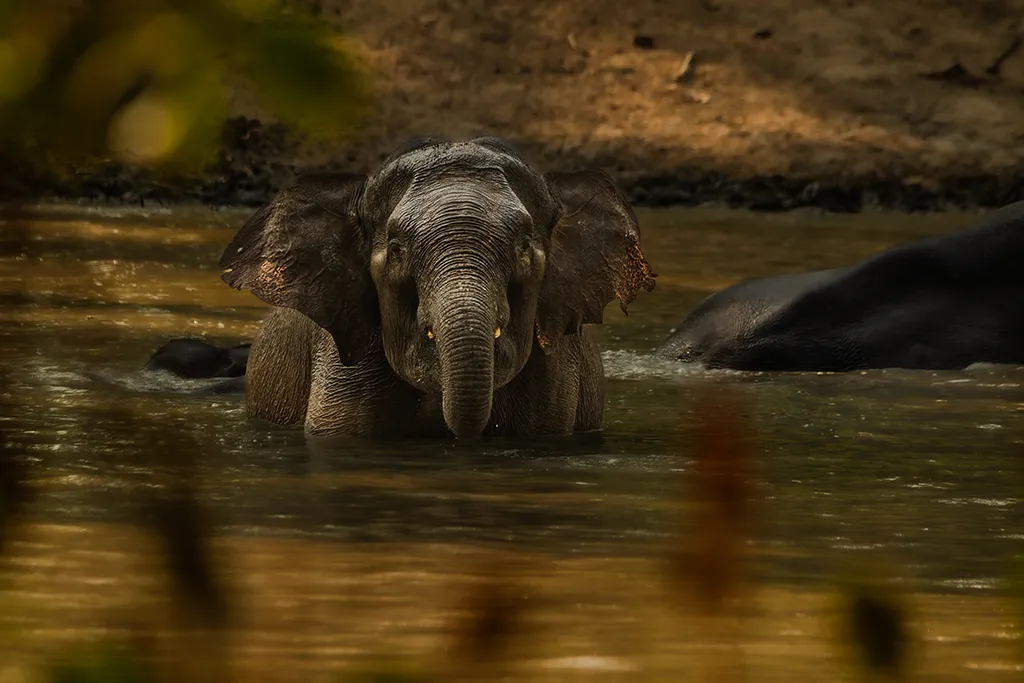
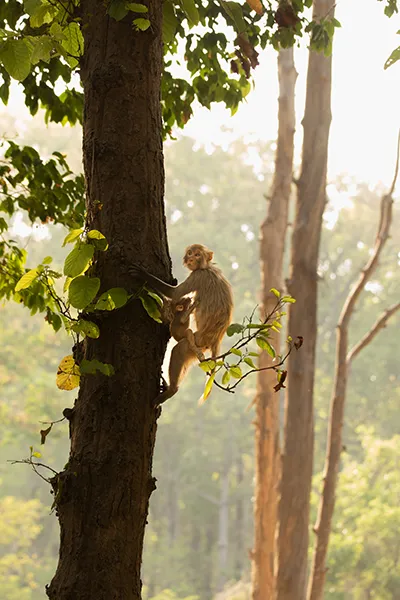
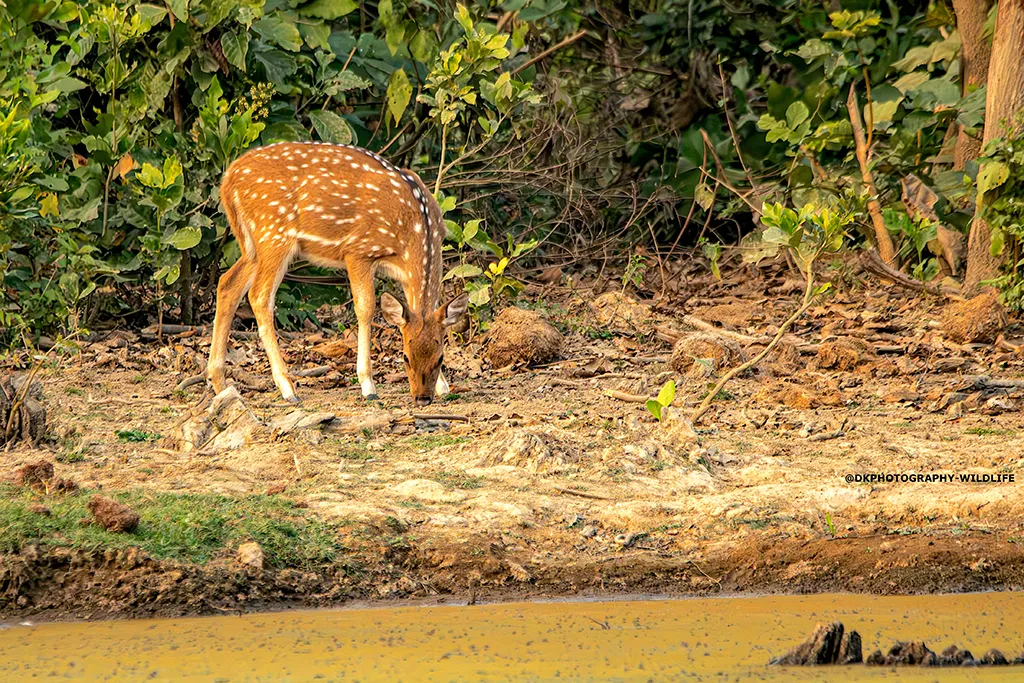
- Other Mammals: Over 50 species, including Asian elephants, leopards, sloth bears, Himalayan black bears, wild boars, and deer varieties (Chital, Sambar, Barking Deer) and the rare Ghoral antelope.
- Reptiles: Spot Gharials and Mugger Crocodiles basking along the Ramganga River.
2. Unique Safari Zones
Corbett’s distinct safari zones offer varied landscapes and wildlife experiences.
- Dhikala Zone: The largest zone, known for its scenic grasslands and Dhikala Watchtower. Ideal for elephant sightings and the best chance to see tigers. (4WD access only, overnight stay required.)
- Bijrani Zone: Features dense forests, grasslands, and water bodies, perfect for diverse wildlife sightings.
- Jhirna Zone: Open year-round, including monsoon, great for spotting sloth bears and wild boars.
- Dhela Zone: A newer eco-tourism zone, open year-round, rich in birdlife and elephant sightings.
- Durga Devi Zone: A hilly, riverine area in the northeast, excellent for bird watching and spotting elephants and leopards.
- Sitabani Buffer Zone: Outside the core tiger reserve, known for its ancient temple, serene beauty, and birdlife.
3. Birdwatching Haven
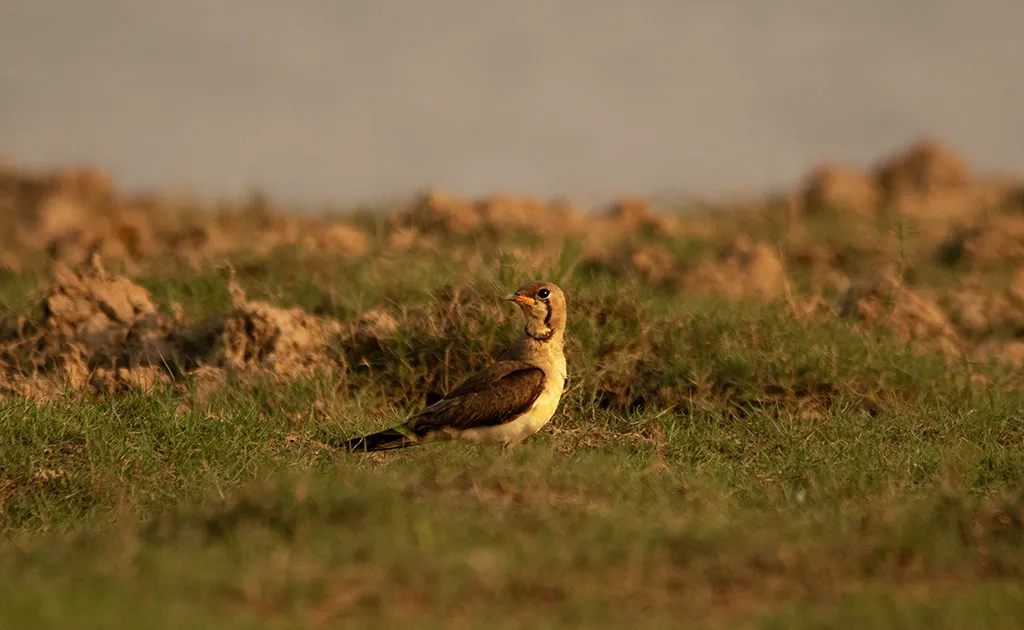
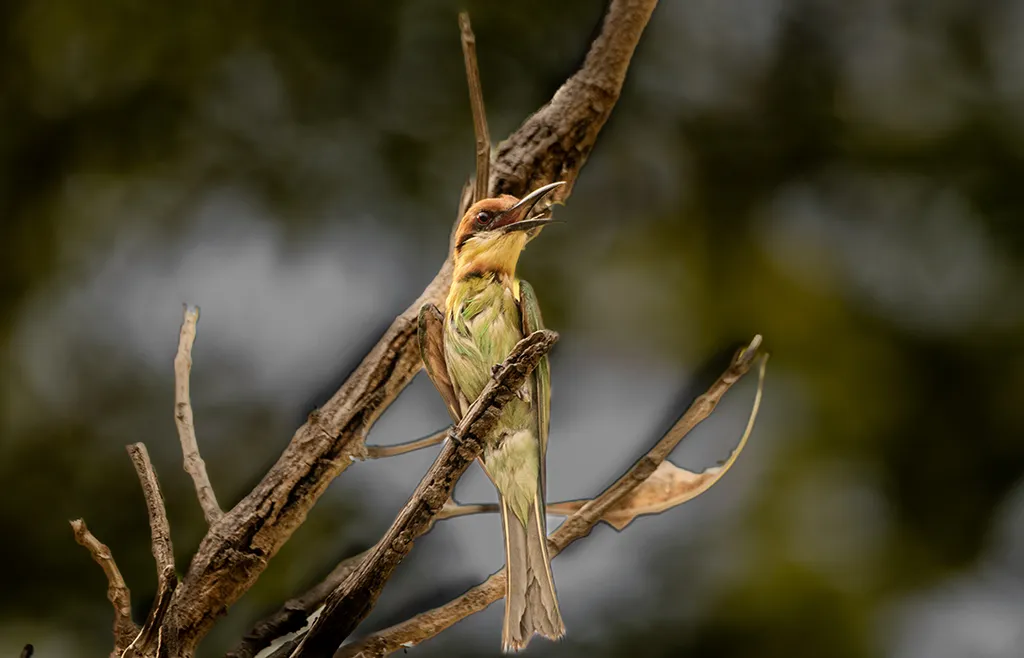
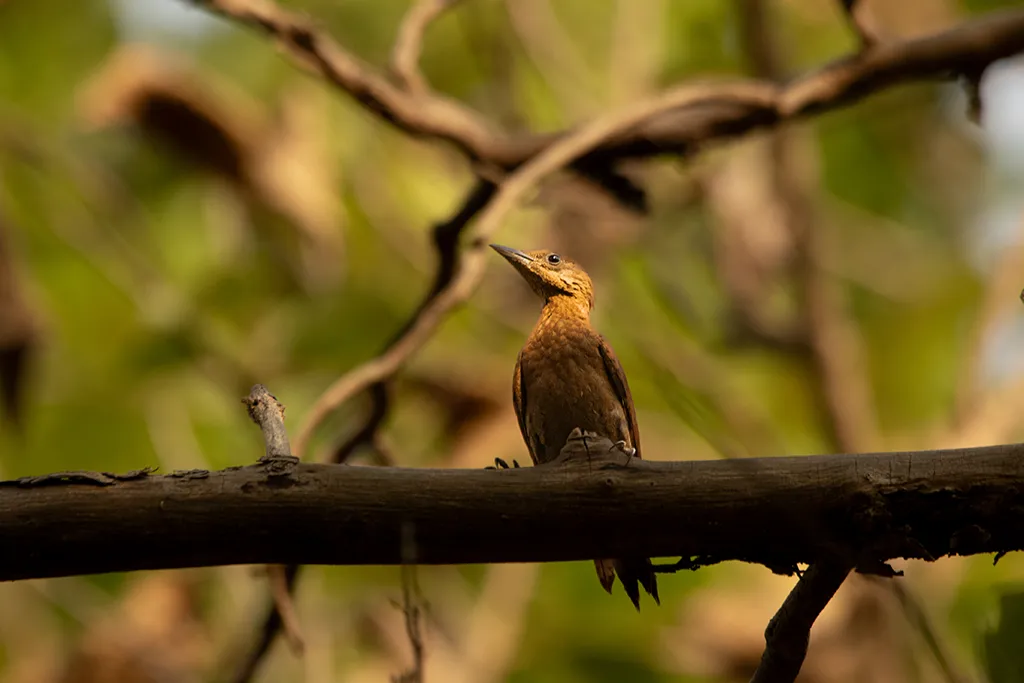
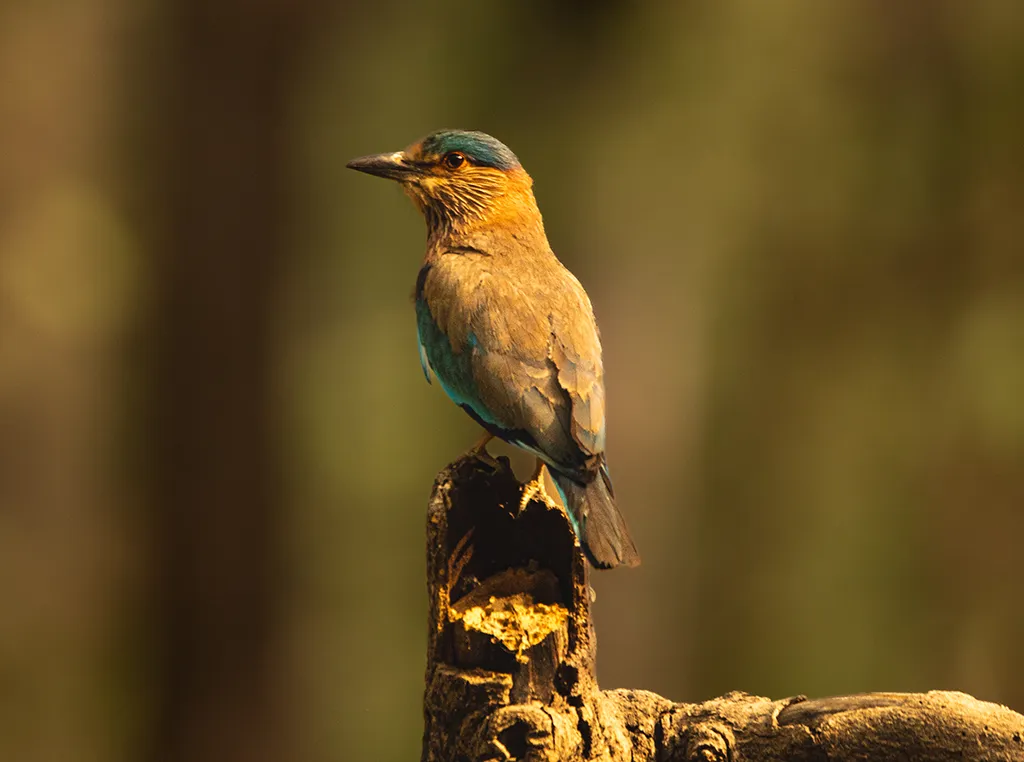
With over 600 bird species, Corbett is a paradise for birdwatchers.
- Raptors: Crested Serpent Eagle, Pallas’s Fish Eagle, Himalayan Grey-headed Fish Eagle.
- Water Birds: Great Thick-knee, storks, egrets, and kingfishers along the Ramganga River.
- Woodland Birds: Scarlet Minivet, barbets, woodpeckers, and the striking Great Hornbill.
- Winter Migrants: Hosts migratory birds from Europe and Central Asia during winter.
4. Historical & Architectural Highlights
Corbett blends natural beauty with cultural landmarks.
- Corbett Falls: A scenic 20-meter waterfall, 25 km from Ramnagar, ideal for picnics and nature walks.
- Garjia Temple: A revered temple on a rock in the Kosi River, offering spiritual significance and stunning views.
- Sitabani Temple: Ancient ruins in the Sitabani forest, linked to Sita’s exile from the Ramayana.
5. Stunning Landscapes
Corbett’s breathtaking scenery enhances every visit.
- Ramganga Reservoir: A key feature of the Dhikala zone, attracting wildlife, especially in summer.
- Chaurs (Grasslands): Iconic open grasslands like Dhikala and Bijrani Chaur, perfect for wildlife viewing.
- Kosi and Ramganga Rivers: These rivers create vibrant ecosystems and picturesque vistas.